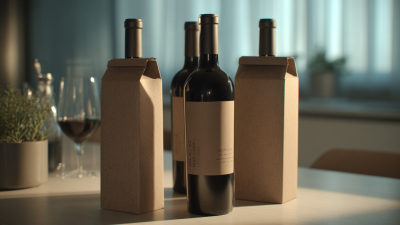
Top 2025 Trends in Wine Bottle Paper: Eco-Friendly Packaging Solutions
As the wine industry continues to evolve, sustainability has emerged as a critical focus area, particularly in packaging solutions. The 2025 trends in wine bottle paper reflect a shift towards eco-friendly practices that not only enhance brand image but also meet increasing consumer demand for environmentally responsible products. Industry expert Dr. Emily Rossi, a leading voice in sustainable packaging, asserts, “The transition to wine bottle paper is not just an option; it’s a necessity for today’s wineries that wish to thrive in a climate-conscious market.”
In this context, wine bottle paper has gained momentum as a robust alternative to traditional glass bottles, allowing producers to reduce their carbon footprint significantly. The lightweight nature of paper not only contributes to lower transportation emissions but also aligns with the increasing consumer preference for sustainable packaging. As we look forward to 2025 and beyond, the innovations in wine bottle paper could redefine how we think about wine packaging and sustainability.
With advancements in technology and materials, the potential for wine bottle paper to revolutionize the industry is immense. As wineries adopt these eco-friendly solutions, they do not just embrace a trend but commit to a future that prioritizes the health of our planet, ensuring that wine lovers can enjoy their favorite vintages with a clear conscience.

Top Trends in Eco-Friendly Wine Bottle Paper Packaging for 2025
In 2025, the wine industry is expected to embrace innovative trends in
eco-friendly bottle paper packaging,
emphasizing sustainability and environmental responsibility. One prominent trend is the
use of recycled and biodegradable materials,
which significantly reduce the carbon footprint associated with packaging production.
These materials not only appeal to environmentally conscious consumers but also effectively showcase
the winery's commitment to sustainability. Wine producers are exploring various fibers sourced from
agricultural by-products, like sugarcane or agricultural waste, to create packaging that is both
functional and eco-friendly.
Another significant trend is the introduction of
minimalist designs that reduce excess packaging
and materials used. This approach not only simplifies production but also conveys a message of
authenticity and purity to the consumers. Alongside this,
the incorporation of natural dyes and inks further enhances sustainability efforts, allowing brands to
create visually appealing bottle paper without relying on harmful chemicals. As wineries adapt to
these trends, the focus remains on creating a balance between
aesthetic appeal and ecological responsibility,
ensuring that their packaging resonates with a growing demographic of eco-aware wine lovers.
Emerging Materials: Sustainable Alternatives to Traditional Wine Packaging
The wine industry is witnessing a significant transformation as sustainability emerges as a core value, driving the shift towards eco-friendly packaging solutions. Traditional wine bottles, primarily composed of glass and cork, consume considerable resources and contribute to environmental waste. As consumers become more environmentally conscious, the demand for innovative alternatives that reduce carbon footprints and promote sustainability is on the rise.
Emerging materials such as biodegradable plastics, recycled paper, and plant-based composites are making waves in the packaging sector. Recycled paper, in particular, stands out for its versatility and minimal environmental impact. With advancements in technology, manufacturers are developing durable paper solutions that can serve as an effective barrier, protecting the wine while also appealing to eco-conscious consumers. These new materials not only enhance the aesthetic appeal of wine packaging but also align with the growing trend of minimalism and environmental responsibility.
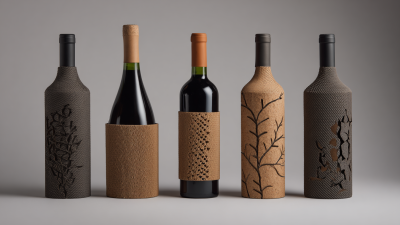
Moreover, the use of hemp and bamboo fibers is gaining traction as a sustainable alternative to traditional materials. These plant-based solutions are not only renewable but also offer unique textures and designs, providing an opportunity for wineries to distinguish their products in a competitive market. As the wine industry continues to innovate, the focus on sustainable packaging will play a crucial role in shaping its future, fostering a greener approach to wine consumption.
Top 2025 Trends in Wine Bottle Paper: Eco-Friendly Packaging Solutions
| Trend |
Description |
Emerging Materials |
Sustainability Benefits |
| Biodegradable Bottles |
Usage of materials that decompose naturally. |
Plant-based polymers |
Reduces landfill waste and carbon footprint. |
| Recycled Paper Labels |
Labels made from recycled paper to reduce waste. |
Post-consumer waste paper |
Conserves resources and lowers emissions. |
| Plantable Packaging |
Packaging that can be planted to grow herbs or flowers. |
Seed-infused paper |
Encourages recycling and tree planting. |
| Eco-Friendly Cork |
Natural cork sourced from sustainable forests. |
Sustainable cork |
Reduces deforestation and promotes biodiversity. |
| Reusable Packaging |
Containers designed for multiple usages. |
Glass and metal |
Decreases waste and resource consumption. |
The Impact of Consumer Preferences on Wine Packaging Innovations
The wine industry is witnessing a significant transformation as consumer preferences increasingly lean towards sustainability and eco-friendliness. As environmental awareness grows, wine lovers are becoming more selective about packaging, gravitating towards options that reflect their values. This shift is prompting producers to innovate and adopt sustainable materials in their packaging solutions, primarily focusing on recyclable and biodegradable substances. The pressure to minimize environmental footprints is redefining how wines are presented on shelves, with consumers now favoring products that not only deliver quality but also align with their belief in protecting the planet.
Additionally, the influence of consumer choices extends beyond mere materials to include the design and functionality of wine bottles. Modern consumers are attracted to packaging that tells a story, enhances the drinking experience, or offers convenience without compromising sustainability. This trend has encouraged winemakers to explore creative formats, including innovative closures and label designs that simplify recycling or repurposing. As the market evolves, the dialogue between producers and consumers will play a crucial role in shaping the future of wine packaging, ensuring that it meets the desires of the environmentally conscious consumer while maintaining the integrity of the product inside.
Recycling and Circular Economy: Enhancing Wine Bottle Paper Sustainability
The wine industry is increasingly recognizing the importance of sustainability in packaging, particularly through the use of eco-friendly paper solutions. In 2021, the global sustainable packaging market was valued at approximately $185 billion and is projected to reach over $400 billion by 2028, according to a report by Grand View Research. A significant contributor to this growth is the emphasis on recycling and the circular economy, which not only aims to reduce waste but also to create a closed loop where materials are continuously repurposed.
The use of recycled paper in wine bottles is gaining traction, aligning with the growing consumer demand for environmentally friendly products. A survey conducted by Nielsen found that over 66% of global consumers are willing to pay more for sustainable brands, highlighting a shift in purchasing behavior. By incorporating materials derived from post-consumer waste, winemakers can significantly lower the environmental impact associated with traditional packaging. Additionally, initiatives to promote local recycling programs can enhance the collection and processing of paper waste, further contributing to a circular economy within the wine sector.
As the industry moves toward more sustainable practices, collaboration across the supply chain will be essential. This includes partnerships between producers, suppliers, and recycling facilities to ensure that eco-friendly packaging is not only implemented but also effectively recycled after use. With continuous advancements in technology and material science, the potential for innovative wine bottle paper solutions that support sustainability is vast, paving the way for a greener future in wine packaging.
Case Studies: Leading Brands Adopting Eco-Friendly Wine Bottle Solutions
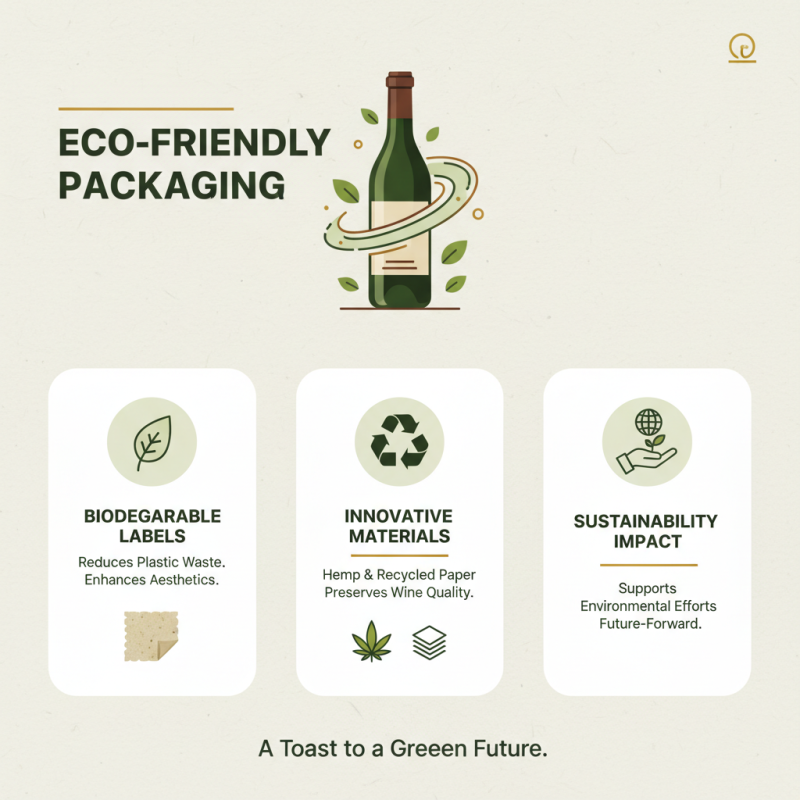
In recent years, the wine industry has witnessed a transformative shift towards eco-friendly packaging, with many leading brands exploring sustainable solutions for wine bottle paper. One notable case study involves a company that has successfully implemented a fully biodegradable paper label, which not only reduces plastic waste but also enhances the overall aesthetic of the product. This initiative highlights the importance of innovative materials such as hemp and recycled paper, which not only preserve the quality of the wine but also support environmental sustainability.
Another exemplary case involves a winery that has adopted minimalist packaging designs, using recycled cardboard and plant-based inks for their shipping boxes. This approach not only minimizes the carbon footprint associated with traditional packaging but also resonates with eco-conscious consumers who prioritize sustainability in their purchasing decisions. By rethinking their packaging strategies and opting for environmentally responsible materials, these wineries showcase a commitment to preserving the planet while delivering exceptional quality to their customers.