2026 Best Wine in Paper Bottles Innovations and Trends?
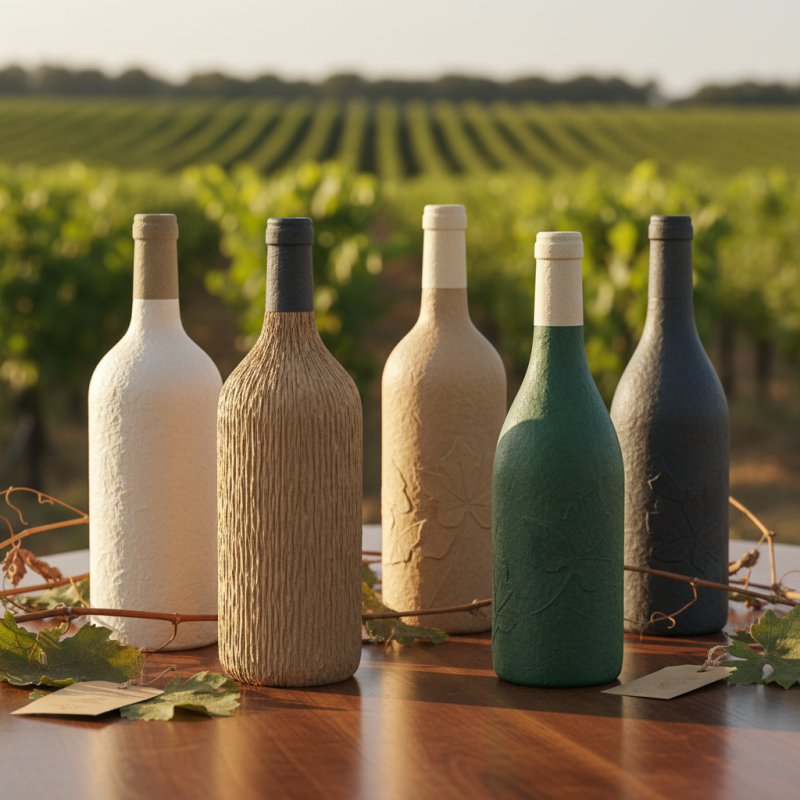
The wine industry is seeing a shift toward sustainability with innovative packaging. One of the most exciting trends is "wine in paper bottles." This option is not only lighter than glass but also more environmentally friendly. Paper bottles can reduce carbon footprints significantly.
However, the transition isn't without challenges. Some wine enthusiasts question the preservation of flavor and quality. The perception of wine in paper might not match the elegance of traditional glass. Despite this, many brands are experimenting with innovative designs and materials to enhance durability.
As we approach 2026, we expect to see more wineries embracing this trend. They are keen to attract eco-conscious consumers. The journey of wine in paper bottles has just begun, blending sustainability with the art of winemaking. It’s a balance that will require creativity and careful thought.
2026 Trends in Wine Packaging: The Rise of Paper Bottles
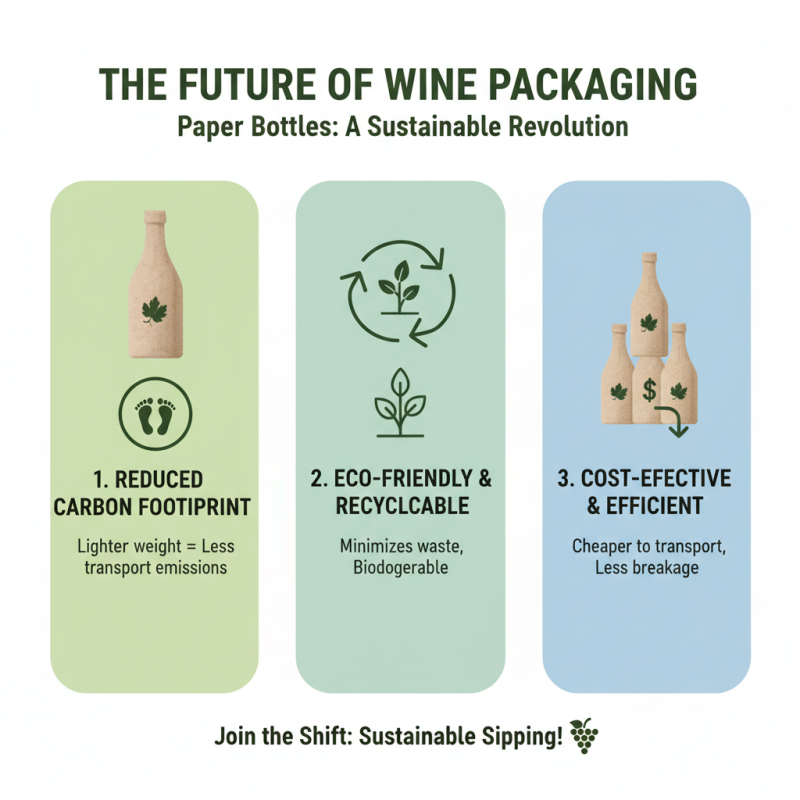
The wine industry is experiencing a significant shift. Paper bottles are emerging as a viable alternative to traditional glass packaging. This trend is driven by sustainability concerns and innovative design. Wine enthusiasts are increasingly seeking eco-friendly options. Paper bottles reduce carbon footprints and minimize waste. They are lighter, making transportation easier and more cost-effective.
Many producers are experimenting with different materials and designs for these bottles. Some use renewable resources like recycled paper. Others focus on creating a unique aesthetic appeal. This innovation is not without its challenges. Ensuring that these bottles maintain wine quality is crucial. Consumers want assurance that their wine won't be compromised. Moreover, the perception of paper bottles can vary. Some people may view them as less premium than glass.
As brands explore these new options, feedback is essential. They should listen to consumers' preferences and concerns. Finding the right balance between sustainability and quality will take time. The journey of paper bottle development is still ongoing. It may lead to even better solutions in the future. The rise of paper bottles reflects a broader shift in the wine industry towards more sustainable practices.
Innovative Materials: Evaluating Sustainability in Paper Bottle Production
The shift towards using paper bottles is gaining momentum. This innovation represents a new chapter in sustainable packaging for wines. Paper bottles are often made from renewable resources, which could reduce plastic waste significantly. However, the production process is not without its challenges. Ensuring the structural integrity of paper bottles to hold wine is a complex task. There’s a balance between lightness and strength that needs to be achieved.
Sustainability also raises questions. What materials are used in the inner lining? Are they biodegradable? The goal is to create a product that is fully eco-friendly. However, some coatings may still rely on traditional plastics. This creates a dilemma for producers who want to contribute to sustainability. Testing and refining these materials is essential. Innovations provide hope, but they must be foolproof and effective.
As the wine industry embraces this trend, many factors demand attention. Consumers need education on the benefits of paper bottles. Many still equate quality with glass. Overcoming this mindset is crucial for growth. The path to a sustainable future may be uneven, but the potential rewards are profound. Each step taken towards innovation must be carefully assessed for true environmental impact.
Market Analysis: Consumer Preferences for Paper Bottles Over Glass
As the wine industry evolves, consumer preferences are shifting. More people are opting for paper bottles over traditional glass ones. This change stems from a growing awareness of environmental issues. Paper bottles are often lighter and made from renewable materials. They also reduce carbon footprints during transport.
Tips: Look for local wineries that use paper bottles. Supporting them helps promote sustainable practices in the industry.
Research shows that consumers appreciate convenience. Paper bottles are typically easier to handle. They can be compact, making storage simpler at home. Some customers, however, question their durability compared to glass. This raises concerns about how well paper bottles preserve wine quality.
Tips: Consider the type of wine you prefer before making a choice. Not all wines are equally suited for paper packaging.
The trend in paper bottles is still developing. While many are excited, others remain hesitant. Material quality and long-term reliability are critical factors. Enthusiasts are curious but cautious about the taste and experience. Identifying the balance between innovation and tradition is key for the future.
2026 Best Wine in Paper Bottles Innovations and Trends
| Category |
Consumer Preference (%) |
Sustainability Importance (%) |
Price Per Bottle ($) |
Purchase Frequency (per year) |
| Red Wine |
35% |
65% |
15 |
8 |
| White Wine |
30% |
70% |
12 |
10 |
| Sparkling Wine |
25% |
60% |
20 |
6 |
| Rosé Wine |
10% |
75% |
18 |
5 |
Environmental Impact: Carbon Footprint Reduction of Paper Bottles
The rise of paper bottles in the wine industry has sparked conversations about sustainability. These bottles are often made from recycled materials, reducing the need for glass production. Glass manufacturing can produce up to 1,500 grams of CO2 per bottle. In contrast, paper bottles can reduce that carbon footprint significantly.
Industry reports indicate that the production of paper bottles could cut emissions by up to 80%. This shift is crucial, given that the global wine industry contributes around 4% of all industrial CO2 emissions. Yet, questions remain about the lifecycle of paper bottles. While their production may be greener, disposal and recycling processes are still in development.
Moreover, not all paper bottles are created equal. Some contain plastic linings, which complicate recycling efforts. A large portion of consumers still expresses skepticism about the durability of paper bottles, fearing they might not preserve wine's quality. Addressing these concerns while enhancing production methods is essential for broad acceptance. The environmental benefits are clear, but the technology and consumer perception must evolve together.
Case Studies: Successful Brands Leading the Paper Bottle Revolution
The rise of paper bottles presents a fresh avenue in the sustainable packaging movement. Several forward-thinking brands are leading the charge, proving that innovation can go hand in hand with eco-consciousness. These brands explore various designs that blend aesthetics with function. Some use biodegradable materials, while others incorporate recycled paper. Their commitment drives curiosity in consumers.
One example shows how a brand integrated a cellulose lining in its paper bottle. This lining maintains wine quality without relying on traditional glass. However, some challenges persist. For instance, ensuring the durability of these bottles during transportation remains an obstacle. Feedback from consumers indicates mixed feelings about the feel and usability of these bottles. Some appreciate the lightweight nature, while others miss the heft of glass.
Moreover, brands find themselves in a continual feedback loop. They seek customer opinions and adjust designs accordingly. This process highlights the importance of consumer engagement. The path to successful innovation is rarely smooth. Yet, these case studies reveal that trial and error is essential for progress. Each step forward brings valuable insights that shape the future of sustainable wine packaging.