
Frugalpac terms and conditions for the purchase of goods

7 Best Wine in Paper Bottles for Bulk Buyers?

Bulk wine buyers are rethinking how packaging affects transport, storage, and customer perception. This guide examines seven strong options for wine in paper bottles, focusing on practical performance rather than attractive claims. Each selection is considered for bottle weight, structural strength, closure quality, shelf presentation, and environmental information.

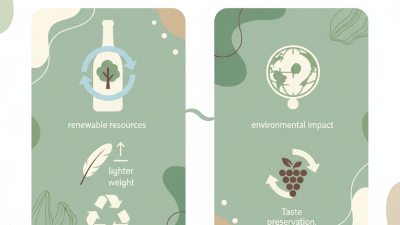
Lightweight packaging can reduce handling effort and freight pressure. A case that feels easier to lift may also simplify warehouse movement. However, lighter does not always mean better. Paper-based bottles need dependable inner barriers to protect wine from oxygen, moisture, and flavor changes. Bulk purchasers should request technical specifications, shelf-life data, and independent packaging information before placing large orders.

Taste remains central. A convenient bottle cannot rescue flat, oxidized, or poorly balanced wine. The guide will compare suitable styles, including approachable reds, fresh whites, rosé, and other high-volume choices. It will also consider supplier consistency, minimum order quantities, customization options, and delivery reliability. Small details matter, such as carton strength, label adhesion, and how the bottle performs in chilled storage.

Some conclusions may remain imperfect. Packaging results can vary by climate, transport route, and warehouse conditions. Buyer priorities also differ. A restaurant may value presentation, while an event distributor may prioritize stacking efficiency and cost control. These seven choices offer a practical starting point, not a universal ranking. Careful sampling is still wise. A trial shipment often reveals problems that product pages hide.
7 Best Wine in Paper Bottles for Bulk Buyers?

What Makes Paper-Bottled Wine Suitable for Bulk Buyers

For bulk buyers, packaging affects freight, storage, and handling as much as appearance. Paper-bottled wine can weigh less than conventional glass, depending on its inner barrier and closure. Lower package weight may help reduce handling effort and shipping costs, but savings depend on pallet size, carrier rates, and order volume. Check the full case dimensions before changing a purchasing plan. A lighter bottle does not automatically mean a cheaper shipment.

Storage is another practical advantage. Rectangular or compact formats may fit neatly on warehouse shelves and pallets, leaving fewer awkward gaps. Staff can move cases more easily, too. Small gains add up. Still, paper packaging is not a single standard: barrier materials, seals, and outer layers vary. Ask suppliers for technical specifications and test sample cases under your own storage conditions. Heat, moisture, and rough transit can expose weaknesses that a sales sheet may not mention.

Wine quality remains the deciding factor. Confirm the intended shelf life, storage guidance, and suitability for your sales channel before placing a large order. Arrange a tasting, then compare the wine with the same product in its usual packaging if possible. Be candid about the trade-off: some customers may trust glass more, while others value lighter, easier-to-carry packs. Bulk purchasing works best when packaging performance and customer response are both measured, not assumed.

Seven Top Paper-Bottled Wines by Style, Quality, and Value

For bulk buyers, the best paper-bottled wines are dependable styles that tolerate quick service and predictable purchasing. The OIV’s State of the World Vine and Wine Sector in 2023 estimated global wine production at 237 million hectolitres and consumption at 221 million. That scale makes consistency and pack performance worth checking alongside taste. Try seven styles: sparkling, crisp white, aromatic white, dry rosé, light red, medium-bodied red, and a low-alcohol option. Not every style will suit every paper format; test samples before committing.

For quality, assess each wine at serving temperature, not straight from a warm delivery carton. Crisp whites should stay fresh, while aromatic whites need clear, clean fruit rather than a dull, cooked note. Rosé should pour bright. Light reds should feel supple, and medium reds should avoid harsh tannins. Sparkling wine needs special scrutiny: confirm the container’s pressure rating and follow the supplier’s storage instructions. Paper packaging varies, and the outer material alone does not reveal the barrier layer or shelf life.

For value, compare delivered cost per litre, usable shelf life, minimum order size, and waste from damaged packs. The OIV’s 2024 report recorded a sharp fall in 2023 production versus the previous year, a reminder that supply can shift. Ask suppliers for batch specifications, packaging test data, and a sample from the actual production run. Small detail. A paper bottle that pours neatly but loses freshness before turnover is not a bargain.

How to Compare Taste, Packaging, Cost, and Shelf Life

For bulk buyers, compare wines by blind tasting, not packaging claims. Taste it cold. Sample the wine at its intended serving temperature, then check it again after opening. Paper bottles can protect wine differently from glass, so ask about the inner barrier and closure. A crisp white may show stale, bruised-apple notes sooner than a robust red if oxygen control is weak.

Compare delivered cost per liter, including freight, storage, breakage, and pallet space. Request written shelf-life guidance and oxygen-transmission test results for the exact package. Eurostat’s 2022 packaging-waste data reported an 82.5% recycling rate for paper and cardboard packaging in the EU. That broad category figure does not mean every paper bottle is recyclable; composite liners and local sorting systems matter. Check the actual recycling route near your customers.

Tips: Order a pilot batch before committing to a full pallet. Record tasting notes at arrival and after several weeks in storage. Ask suppliers for packaging specifications, storage limits, and dated test reports. Not every useful detail fits neatly on a quote sheet.

Key Bulk-Buying Factors: Volume, Storage, Shipping, and Supply

For bulk buyers, bottle price is only one line in the spreadsheet. Compare usable wine volume per case, not just bottle count. A format with fewer units may still fit your pouring plan. Order a sample case and check fill level, closure, and handling before committing. Small details matter.

Storage can change the economics. Ask for written guidance on temperature, stacking limits, and shelf life. Keep cartons dry and away from sharp pallet edges; paper packaging can dent or weaken when damp. Confirm whether the bottle’s inner barrier protects quality for your intended storage period. I would not assume every paper bottle behaves alike.

Shipping quotes should use actual case dimensions and pallet patterns, not estimated weights alone. Check lead times, minimum order quantities, and how suppliers handle delayed production. A low unit cost is less useful if replenishment arrives after a busy weekend. Request production dates and inspection details for each shipment. That adds up. I still find forecasting imperfect; leave room for seasonal demand without overfilling storage.

7 Best Wine in Paper Bottles for Bulk Buyers: Planning Order Volume

Illustrative order sizes, calculated at 750 mL per bottle. Case quantities are planning scenarios, not a universal pack standard.

Bulk-buying checklist: Confirm the supplier’s actual case pack and available supply before ordering. Compare total wine volume, storage requirements, and shipping terms; packaging weight and dimensions vary by product.

Sustainability Standards and Supplier Verification for Paper Bottles

For bulk buyers, a paper wine bottle is only as credible as its materials and supply chain. Ask suppliers for a component breakdown: paper source, inner barrier, adhesive, cap, and label. Request current certificates and check which facility, material, and production period each one covers. A document alone is not proof of every claim.

Details matter. Confirm whether the paper comes from recycled or responsibly managed sources, and ask how that claim is audited. Then examine the barrier layer. It may affect recyclability, product protection, and the bottle’s total material footprint. Ask for test data on leakage, oxygen protection, and transport durability, plus the conditions under which tests were performed. Results from one sample may not represent every production run.

Verify the recycling instructions against the markets where the wine will be sold. Local collection systems differ, and a technically recyclable package may not be accepted everywhere. Request written guidance from the supplier, then compare it with local waste operators’ information. For larger orders, review batch records, change-control procedures, and corrective-action reports. A site visit or independent audit can help confirm that documented practices match factory operations. No package is impact-free; compare complete, clearly scoped data rather than relying on a green label.

7 Best Wine in Paper Bottles for Bulk Buyers? — Sustainability Standards and Supplier Verification for Paper Bottles

Buyer’s guide: These are seven paper-bottle configurations to shortlist, not named products or independently ranked brands. Paper bottles generally use a paper-based outer shell with a separate liquid-contact liner; confirm construction, food-contact compliance, local recyclability, and performance with each supplier.

Rank Paper-bottle configuration Typical bulk-buying fit Key packaging detail Sustainability evidence to request Supplier verification checks
1 750 mL standard-format paper-shell bottle Retail, hospitality, and mixed-case orders where a familiar single-bottle serving format is required. Confirm the shell, liner, closure, and label materials separately. The liner—not the paper shell—contacts the wine. Material breakdown by component; recycled-fibre percentage and calculation method; current disposal guidance for the target market. Request food-contact declarations for the liner and closure, wine-compatibility and shelf-life data, and a production sample for filling-line trials.
2 375 mL half-size paper-shell bottle Portion-controlled service, tasting programs, travel, or smaller-volume retail offers. Smaller packs can have a different packaging-to-volume ratio from larger formats; compare complete pack weights rather than shell weight alone. Component-level mass data and a like-for-like life-cycle assessment, if an environmental comparison is claimed. Verify closure fit, filling-line compatibility, case configuration, and validated wine quality over the intended storage period.
3 1.5 L large-format paper-shell bottle High-volume hospitality or group-service channels that accept a larger single container. Confirm filled-pack strength, handling requirements, and whether the larger format is available from the supplier’s established production line. Documented material quantities per litre of wine and clear end-of-life instructions for every packaging component. Check transport and drop-test results, pallet stability, maximum stacking guidance, and food-contact documentation for the complete system.
4 Recycled-fibre outer-shell option Buyers prioritizing recycled content in the paper-based portion of the pack. Recycled fibre applies to the paper shell only unless the supplier documents otherwise; it does not establish that the full bottle is recyclable or compostable. Recycled-content declaration stating the percentage, whether it is pre- or post-consumer material, and the calculation basis. Request chain-of-custody evidence where relevant. Check that any FSC or PEFC claim is covered by a valid certificate and applicable product scope; these schemes address forest-based sourcing, not total product sustainability.
5 Virgin-fibre shell with documented responsible sourcing Programs where consistent fibre quality, appearance, or supply availability is a priority. Ask for the fibre source and the exact claim used; responsible sourcing is not the same as recycled content. Valid forest-certification chain-of-custody documentation, where claimed, plus material specifications and sourcing records. Match certificate holder, product scope, and transaction documents. Do not treat an ISO 14001 certificate as proof that a specific bottle has a lower environmental impact.
6 Paper shell with a separately removable liner Markets where local collection systems accept the separated paper component and buyers can communicate disposal steps. Separation may depend on the bottle design and local waste rules. A paper exterior alone does not establish paper-stream recyclability. Written acceptance guidance from relevant local recyclers or waste operators; component-level disposal instructions for the intended sales regions. Request a documented disassembly method and confirm that the liner, closure, and shell can actually be separated as described by end users.
7 Paper shell with a high-barrier liner specified for longer distribution Export, longer distribution routes, or products requiring a defined shelf-life and storage profile. Barrier performance depends on the liner and full package system. Do not infer wine shelf-life from the paper shell or a general packaging claim. Measured oxygen and moisture barrier data, test method, test conditions, and any life-cycle assessment comparing equivalent protection and shelf-life. Verify migration and food-contact documentation for the liner, closure, and other contact materials in the destination market; review shelf-life and transport validation.

Standards and verification note: Depending on the destination market and materials, request applicable food-contact documentation—for example, relevant EU food-contact requirements or U.S. FDA requirements—and confirm the precise legal basis with the supplier. Packaging management-system certifications such as BRCGS Packaging Materials and ISO 22000 can support supplier assessments, but do not by themselves certify a bottle’s recyclability or environmental superiority. Request current certificates, product-specific specifications, test reports, and written claims substantiation before placing a bulk order.

Close