Best Wine and Spirits for Global Buyers to Consider?
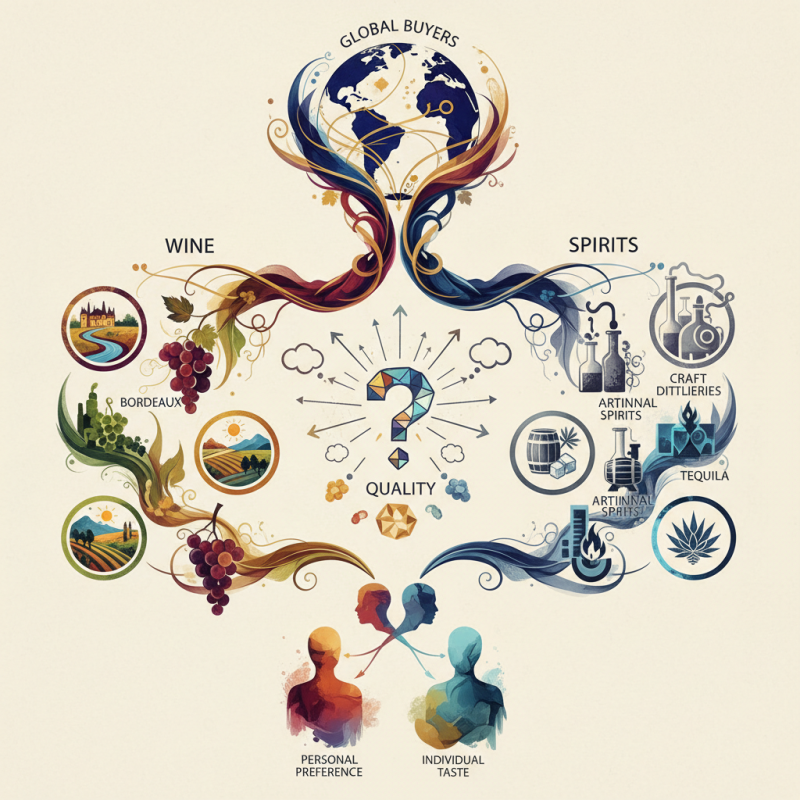
In the diverse world of wine and spirits, global buyers face overwhelming choices. From renowned vineyards to innovative distilleries, the quest for quality is paramount. This exploration into wine and spirits wine highlights selections worth considering.
As consumers seek unique experiences, brands are evolving. Wine regions, such as Bordeaux and Napa Valley, produce iconic varieties. Craft distilleries introduce artisanal spirits, offering distinct flavors. Quality often varies, making informed decisions essential.
While recommendations abound, personal preferences play a significant role. What captivates one buyer may not appeal to another. Thus, understanding individual taste is crucial. Reflecting on current selections can help identify which wines and spirits resonate most authentically.
Top Wine Regions to Explore for Global Buyers
When exploring the world of wine, certain regions stand out for their exceptional offerings. Tuscany, Italy, captivates with its rolling hills and rich history. Wine enthusiasts flock to the picturesque vineyards. The Sangiovese grapes create wines with depth and complexity. Sampling a Chianti Classico in a rustic villa amplifies the experience. This region perfectly merges culture and tradition.
Moving to France, the Bordeaux region is a global icon. Known for its elegant red blends, Bordeaux produces wines that age beautifully. The diverse terroirs contribute to distinct flavors. A visit to the Châteaux reveals the meticulous craftsmanship involved. Engaging with local winemakers can deepen appreciation for their art, though navigating the variety can be overwhelming.
Lastly, Spain’s Rioja presents a vibrant wine culture. Tempranillo dominates this region, offering wines that balance fruit and oak. The landscapes are striking, dotted with ancient monasteries. A casual stroll through the vineyards can ignite passion for Spanish wines. However, selecting the right bottle among numerous options may require patience and reflection.
Essential Criteria for Selecting Quality Spirits
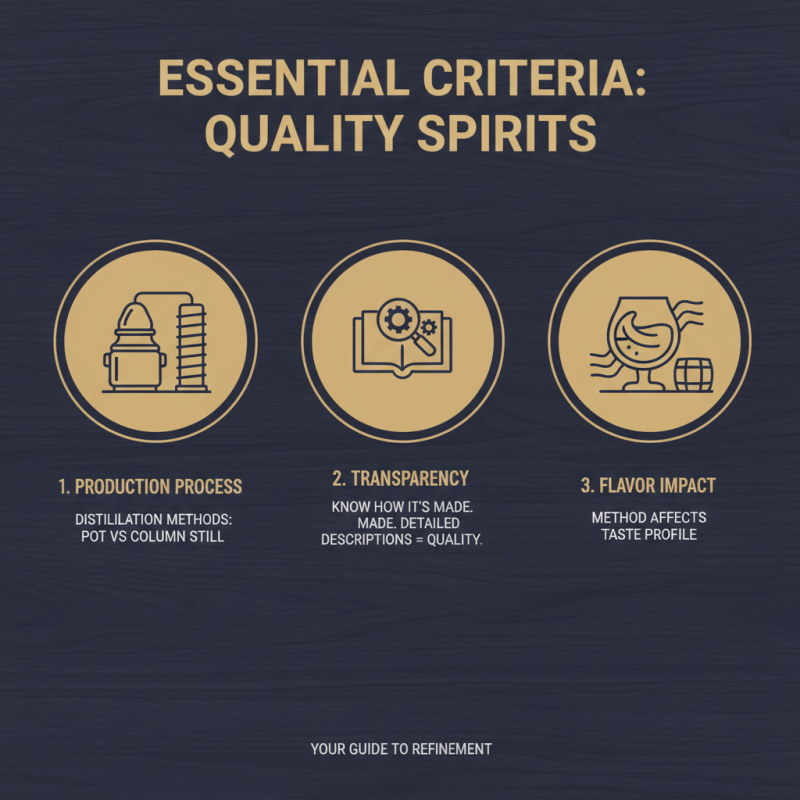
When selecting quality spirits, several essential criteria come into play. First, consider the production process. Distillation methods vary widely. Techniques like pot still versus column still can impact flavor. Look for transparency in how spirits are made. A detailed description often indicates quality.
Next, pay attention to ingredients. Many spirits rely on base materials like grains, fruits, or botanicals. High-quality ingredients typically yield superior flavors. Authenticity matters, so understanding the origin of these ingredients helps in making informed choices. Don’t shy away from exploring regional variations. Each area has unique characteristics that define their spirits.
Another aspect to consider is age and maturation. Longer aging processes can deepen flavors, but not always. Some spirits shine in their youth. An older spirit might seem impressive, but its taste can vary drastically. Taste before purchasing whenever possible. Personal preference plays a key role in what you may find appealing. Lastly, packaging and labeling can offer hints about quality. Elegant designs often accompany well-crafted spirits, reflecting the care put into production.
Popular Types of Wine and Their Unique Attributes
Wine is a diverse world, filled with unique flavors and characteristics. Red wine, often celebrated for its boldness, varies greatly by region. For example, Cabernet Sauvignon, with its deep tannins and rich fruit notes, captivates drinkers worldwide. According to the IWSR Drinks Market Analysis, global red wine consumption rose by 3% in 2021, highlighting its timeless appeal.
White wine, on the other hand, offers a refreshing alternative. Chardonnay, known for its buttery texture, dominates the market. However, Sauvignon Blanc has gained popularity due to its zesty acidity and vibrant citrus flavors. A recent Wine Intelligence report indicates that 23% of wine drinkers are exploring lesser-known varietals, illustrating a trend toward discovery and experimentation.
Sparkling wines, such as Prosecco and Champagne, continue to charm consumers with their effervescence. These wines are often associated with celebrations, yet they can also pair well with diverse cuisines. Despite their popularity, many buyers tend to overlook regional variations, which can greatly influence taste and quality. Encouraging exploration beyond well-known options can enhance the wine experience.
Best Wine and Spirits for Global Buyers to Consider
Trends in the Global Wine and Spirits Market
The global wine and spirits market is evolving rapidly. According to the latest IWSR report, the market is projected to grow by 3.1% annually through 2024. Consumer preferences are shifting toward premium and super-premium products. This trend is influenced by the rising demand for quality over quantity. Younger consumers, particularly millennials, are interested in unique, craft offerings.
Sustainability is also becoming a crucial factor. The Wine Institute indicates that organic wine sales have increased by 20% in recent years. Eco-friendly packaging is gaining traction as well. Brands that prioritize environmental impact attract more buyers. This shift creates opportunities for producers to innovate. However, the challenge lies in balancing sustainability with cost-effectiveness.
Moreover, the spirits market shows a notable rise in ready-to-drink cocktails. Reports suggest a staggering 15% increase in sales for this category. This convenience lifestyle reflects broader consumer trends. Yet, many producers still struggle with quality control and maintaining flavor profiles. The direction of the market suggests a need for a flexible approach. Brands must adapt to maintain relevance in this competitive landscape.
Best Wine and Spirits for Global Buyers to Consider
| Category |
Popular Varieties |
Regions of Origin |
Market Trends |
Estimated Growth Rate |
| Red Wine |
Cabernet Sauvignon, Merlot, Pinot Noir |
France, Italy, USA |
Increasing demand for organic and sustainable options |
5% annually |
| White Wine |
Chardonnay, Sauvignon Blanc, Riesling |
Germany, Australia, New Zealand |
Popularity of lighter wines and lower alcohol content |
4% annually |
| Sparkling Wine |
Champagne, Prosecco, Cava |
France, Italy, Spain |
Rising trend for premium and ready-to-drink options |
6% annually |
| Whiskey |
Bourbon, Scotch, Irish Whiskey |
USA, Scotland, Ireland |
Increased interest in craft and aged varieties |
7% annually |
| Vodka |
Plain, Flavored |
Russia, Poland, Sweden |
Growth in premium and artisanal brands |
3% annually |
Best Practices for Importing and Storing Wine and Spirits
When importing and storing wine and spirits, attention to detail is crucial. Proper storage conditions can significantly affect quality. According to the International Organisation of Vine and Wine (OIV), wine can lose flavor and aroma if not stored properly.
Maintaining a consistent temperature between 45°F and 65°F is essential. Fluctuations can lead to spoilage. Humidity levels should also be monitored, ideally between 50% and 70%. This helps prevent corks from drying out.
Importers must consider logistics carefully. Transportation plays a vital role. The latest data from IWSR indicates that the global market for wine and spirits is growing steadily. However, delays can impact quality. It’s recommended to use temperature-controlled shipping to maintain integrity. Some importers overlook this step, risking degradation. Regular inspections upon arrival are necessary. Not all shipments will meet condition standards.
Storing inventory requires strategic planning. Wine should be stored upright to prevent leakage. Conversely, spirits can be stored upright or horizontally. Both methods have their merits. To maximize shelf life, it’s best to track inventory rotation. This ensures older products are sold first. Many retailers fail to prioritize this, leading to waste. Collaboration with trusted suppliers can help in maintaining quality throughout the supply chain. These practices help to mitigate risks and promote a stable inventory.