Best Bottles for Wine You Should Know About?
The bottle and wine industry continues to evolve, shaping how we enjoy this timeless beverage. In 2021, the global wine market was valued at approximately $329.5 billion. Experts predict it will grow to $456.1 billion by 2028. This underscores the importance of quality wine bottles in preserving flavor and enhancing the drinking experience.
Renowned wine expert, John Atkinson, once stated, "The bottle is as crucial as the wine itself." His insight emphasizes how the right bottle can influence taste and enjoyment. Choosing the best bottle involves considering factors like material, design, and functionality. A sturdy bottle can protect the wine from light and temperature changes, which can spoil its quality.
However, not all bottles are created equal. Many consumers overlook the role of a well-designed bottle. A poorly chosen bottle may detract from the wine's potential. This highlights the need for informed choices in the bottle and wine experience. Selecting the right bottle is not just a matter of preference; it's essential for the wine's longevity and taste.
Types of Wine Bottles: A Comprehensive Overview
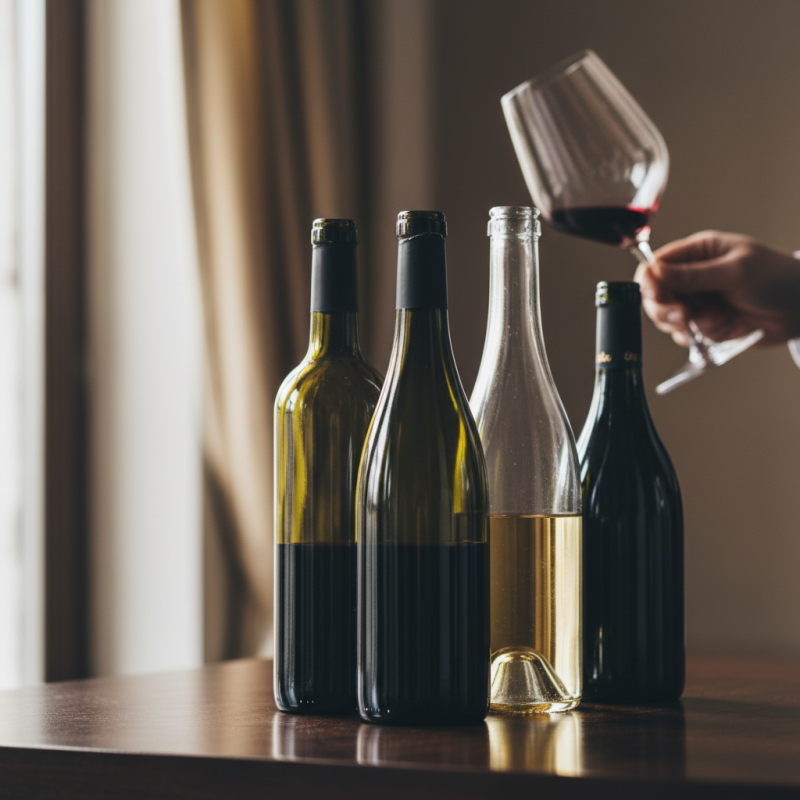
When it comes to wine bottles, understanding the types is essential. There are several shapes and sizes that cater to different wines. For example, the Bordeaux bottle is tall and slender, typically suited for red wines. In contrast, the Burgundy bottle has a wider base, ideal for Pinot Noir and Chardonnay. Research suggests that around 60% of consumers prefer specific shapes based on their wine choice.
Glass thickness also plays a role. Heavier bottles provide better insulation, which is crucial for preserving the wine's quality. Data indicates that 75% of premium wines are packaged in such bottles. However, this can lead to higher shipping costs and may not always be necessary for everyday selections.
Tip: Always check the bottle type. If you're unsure, consult a trusted source. And, remember that the shape might affect how easily you can pour from it. Experiment with different designs to see which one you enjoy most.
Additionally, consider the closure. Corks and screw caps both have their benefits. Research shows that about 30% of wines can spoil due to faulty closures. Reflect on your preferences and choose wisely.
Common Materials Used in Wine Bottle Production
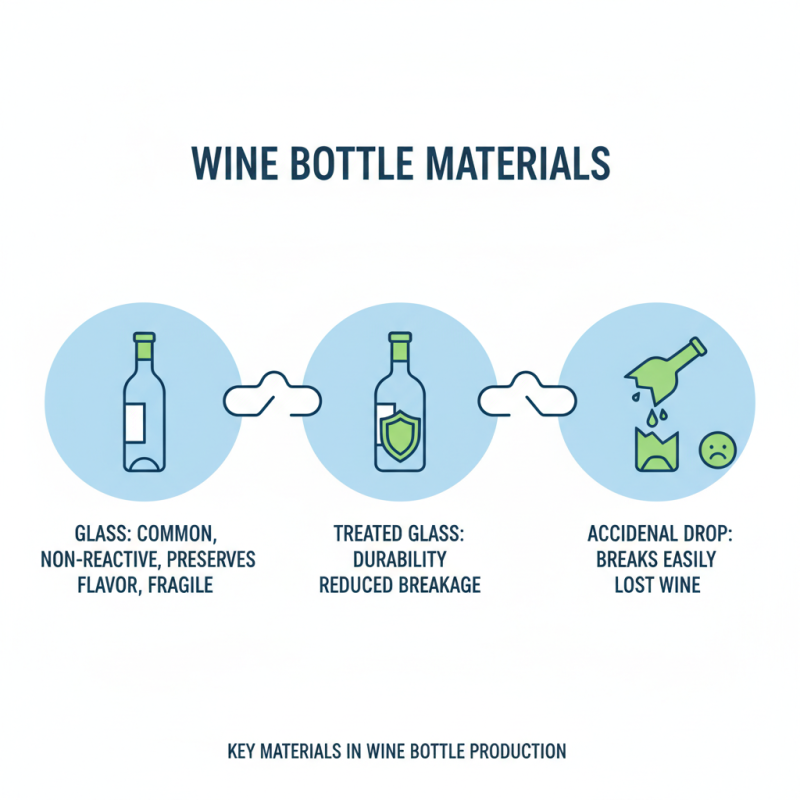
When it comes to wine bottle production, several materials play a vital role. Glass is the most common choice due to its non-reactive nature. It preserves the wine's flavor and aroma over time. Glass bottles can be treated for increased durability, but they can still break easily. An accidental drop can lead to a big mess and lost wine.
Plastic is another option, often used for lighter wines. It’s unbreakable, which is great for outdoor events. However, some people worry about chemical leaching. Inconsistent quality is also a concern. The flavor might be affected, altering the wine experience.
Lastly, alternative materials like metal and cardboard are gaining popularity. Metal bottles are durable, lightweight, and can be recycled. Cardboard offers a unique, eco-friendly approach. Yet, the protection against light and air is variable. Each material has its pros and cons, making them worth considering.
Features of High-Quality Wine Bottles
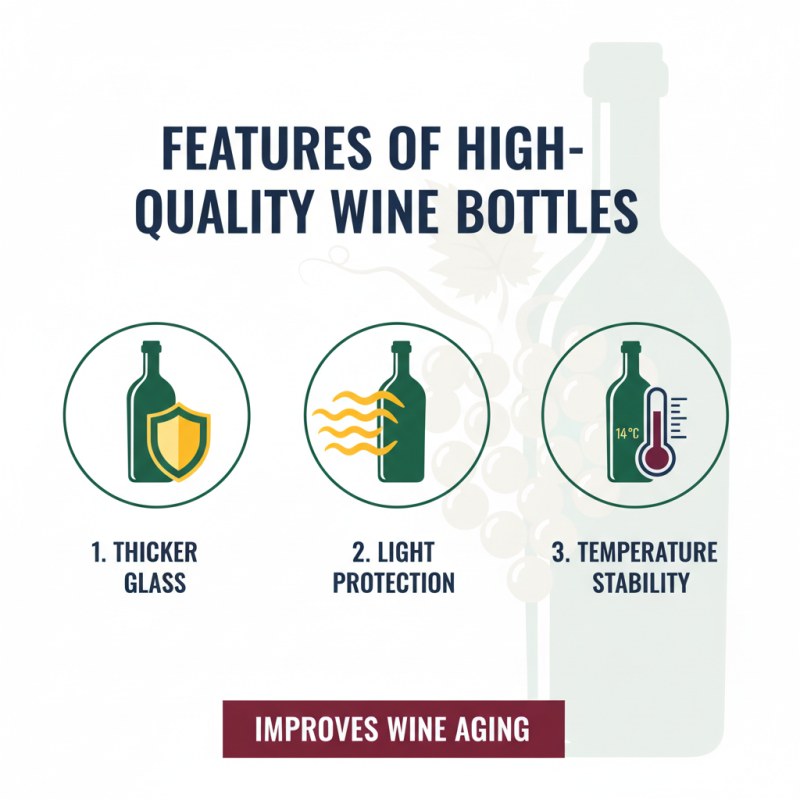
When it comes to wine, the bottle plays a crucial role. A high-quality wine bottle should have specific features. Most industry experts agree that thickness is vital. A thicker glass bottle protects the wine from light and temperature changes. This can improve the wine's aging process.
Another important feature is the shape of the bottle. The traditional Bordeaux bottle has a tall neck. This design helps to keep the cork moist. A moist cork prevents oxidation, which can spoil the wine. Research indicates that improper storage, due to bottle shape, can lead to up to 20% loss in wine quality over time.
Tip: Always store your bottles upright. This prevents the cork from drying out.
The color of the glass matters too. Darker glass offers better protection against UV rays. This is essential for maintaining the wine's flavor. Studies show that wine exposed to light can develop off-flavors quickly.
Tip: Invest in quality bottles, especially for aging wine. Consider using an insulated wine cooler to maintain stable temperatures.
Every feature plays a role in preserving the integrity of the wine. Paying attention to these details can enhance your wine experience significantly. Ignoring them could lead to regret.
Popular Wine Bottle Brands and Their Distinct Offerings
When it comes to wine bottles, several brands stand out for their unique offerings. A report from the Beverage Information Group indicates that glass remains the preferred material. Approximately 89% of wine sold in the U.S. comes in glass bottles. The craftsmanship of these bottles enhances the wine's aging process, which is crucial for quality. Many consumers prioritize quality over brand name. They want assurance that the wine reflects their taste.
Different brands showcase distinctive features. Some bottles use thicker glass to protect the wine. This not only helps in maintaining temperature but also in the fermentation process. A study shows that bottle shape can impact consumer perception of wine quality. A Bordeaux shape might suggest prestige, while a Burgundy shape connotes elegance. Despite this, many consumers base their choices on bottle appearance alone, even if they lack knowledge of the wine inside.
Moreover, sustainability is becoming a significant factor in consumer decisions. A survey revealed that 68% of wine drinkers prefer eco-friendly packaging. As brands adopt recyclable materials, this trend highlights changing consumer values. However, the challenge lies in balancing sustainability with quality. Some alternative materials may not preserve wine effectively. This leaves room for reflection on how brands can innovate without compromising quality.
Factors to Consider When Choosing Wine Bottles
When choosing wine bottles, several factors come into play. Understanding these can enhance your wine storage experience. The size of the bottle is crucial. Standard 750ml bottles are common, yet larger formats like magnums are gaining popularity. Reports suggest that larger bottles can age wine better due to a lower oxygen-to-wine ratio.
Bottle shape also matters. Traditional Bordeaux and Burgundy shapes can affect wine aeration. A recent survey found that 70% of sommeliers believe bottle shape influences consumer perception of wine quality. Many buyers may overlook this but it's important. The closure type, too, may seem trivial. Screw caps are gaining ground for their reliability. A study indicates that around 30% of consumers prefer screw caps over corks, citing convenience as a reason.
Glass thickness is sometimes forgotten. Thicker glass protects wine better from temperature fluctuations. Unfortunately, many consumers don’t consider this aspect. A common mistake is neglecting UV protection. Clear glass exposes wine to more light, which can degrade it. Around 40% of wine spoilage is linked to poor storage conditions. Investing in bottles that offer proper protection is wise. Each of these factors plays a role in the long-term enjoyment of your wine collection.
Best Bottles for Wine You Should Know About
| Bottle Type |
Capacity (ml) |
Material |
Closure Type |
Best Use |
| Bordeaux Bottle |
750 |
Glass |
Cork |
Red Wine |
| Burgundy Bottle |
750 |
Glass |
Cork |
Pinot Noir |
| Sparkling Wine Bottle |
750 |
Glass |
Cork |
Champagne |
| Fortified Wine Bottle |
750 |
Glass |
Cork |
Port, Sherry |
| Half Bottle |
375 |
Glass |
Cork |
Single Serve |