How to Choose the Best Plastic Jar with Lid for Your Needs?
Choosing the right Plastic Jar with Lid can be challenging. Many options exist, each with its unique features. A good jar should be durable, leak-proof, and easy to use.
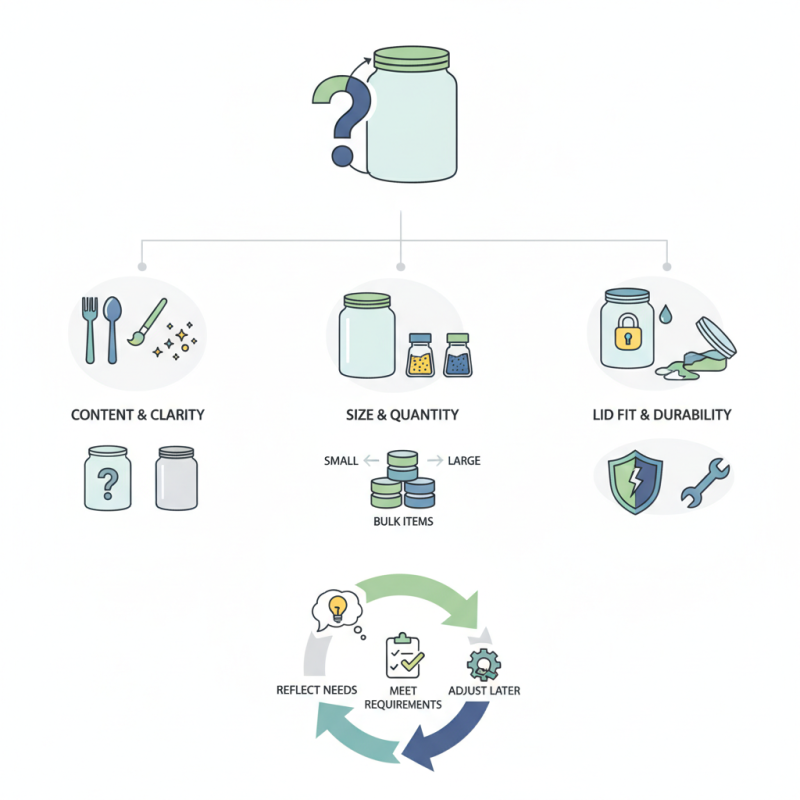
When selecting a Plastic Jar with Lid, consider what you'll store. Will it be for food or crafts? Is clarity important for visibility? Size matters too. You might need a small jar for spices or a large one for bulk items.
Don't forget to check the lid's fit. A loose lid can lead to spills. A perfect match keeps contents fresh. Reflect on your needs and preferences. The best choice should meet all your requirements, yet it may still need adjustments later.
Understanding Different Types of Plastic Jars and Their Uses
When choosing a plastic jar, consider its specific use. There are many types available, each serving different needs. For instance, wide-mouth jars are convenient for storing bulk items like grains and candies. Their design allows easy access, but they might take more space in your pantry.
Narrow-neck jars, on the other hand, are ideal for liquids. They minimize spills and help in precise pouring. However, filling them can be tricky if the neck is too narrow. Think about your intended contents carefully. Imagine opening a jar and finding that it doesn’t suit your needs. That’s a frustrating scenario.
Also, consider the jar's material. Some plastics are more durable than others. These can withstand temperature changes better, while others may warp over time. Reflect on how you will use the jars and store them afterward. These factors can impact your choice significantly.
How to Choose the Best Plastic Jar with Lid for Your Needs?
| Type of Plastic Jar | Capacity | Lid Type | Common Uses |
| Narrow Mouth Jar | 16 oz | Screw-on Lid | Spices, Sauces |
| Wide Mouth Jar | 32 oz | Snap-on Lid | Granola, Nuts |
| Square Jar | 24 oz | Twist-off Lid | Craft Supplies, Office Storage |
| Cylinder Jar | 18 oz | Push-on Lid | Cosmetics, Candies |
| BPA-Free Jar | 20 oz | Locking Lid | Food Storage, Baby Products |
Key Features to Consider When Choosing Plastic Jars with Lids
When choosing plastic jars with lids, several key features should guide your decision. The material quality is crucial. High-density polyethylene (HDPE) and polypropylene (PP) are popular choices due to their durability and resistance to chemicals. According to industry reports, HDPE jars often exhibit a longer lifespan compared to lower-grade plastics.
Consider the size and shape of the jar. A wide-mouth opening allows for easy filling and cleaning. Smaller jars can help with portion control, but may not work well for bulk storage. Data suggests that 70% of consumers prefer jars that offer versatility in storage options.
Tips: Think about the intended use. For food storage, ensure the jar is food-safe. If you need it for craft supplies, select jars that seal tightly to keep out dust. Plastic jars should be lightweight yet sturdy. A poorly chosen lid can lead to leaks or spoilage. Evaluate all aspects before making a purchase. Often, we overlook these details, leading to dissatisfaction. Choosing the right plastic jar is not just about price; it’s about functionality and practicality.
Evaluating Size and Capacity for Your Storage Needs
Choosing the right plastic jar means understanding your storage needs. Size and capacity play crucial roles in this decision. A small jar might suit your spice collection, while larger jars work for bulk items. Think about what you’ll store. Is it dry goods, liquids, or crafting supplies?
Consider the dimensions of the jar. A jar that holds a lot might not fit in your cupboard. Measure your shelf space carefully. Do you have room for height? Or is width more important? Sometimes a tall, narrow jar fits better than a wide one. You may want to buy a few sizes to see what works best.
Capacity is also important. A jar with too much space may waste resources. Conversely, a jar that’s too small can lead to spills or waste. It’s a balancing act. Reflect on your usage patterns. How often do you refill? How much do you typically need? These details will guide you to a better choice.
Material Safety and Durability: What You Should Know
When selecting a plastic jar with a lid, durability and safety are crucial. Not all plastics are created equal. Common materials include PET, HDPE, and PP. Each type offers different levels of safety and durability. For instance, PET is lightweight but may not handle high temperatures. In contrast, HDPE is known for its strength and resistance to impact. However, it can sometimes leach chemicals if improperly used.
Consider the purpose of the jar. Is it for food storage or craft supplies? Food-safe containers should follow strict guidelines. Look for labels indicating the jar is food-grade. It's essential to choose jars that won’t degrade over time. A jar that cracks or warps can compromise its contents. You want something that stands the test of time.
Reflect on your experiences using plastic jars. Have you noticed any odors or discoloration over time? These signs could indicate that the material is not suitable for long-term use. It’s valuable to remember that not all plastic is recyclable. Checking your local recycling guidelines can help you make an eco-friendly choice. Ultimately, understanding the material's properties will lead you to make a better decision.
Cost Considerations: Finding Affordable and Quality Options
When choosing plastic jars with lids, cost is crucial. You need options that fit your budget, but quality shouldn’t be ignored. Many affordable jars may have weak lids. A flimsy lid can lead to spills or contamination. Consider how you will use the jars. Sometimes, spending a little more saves money in the long run.
Look for bulk options. Buying in larger quantities can significantly lower the cost per jar. Just be cautious. Larger packs may lead to waste if you don’t use them all. Think about your storage needs. For instance, if you’re organizing a pantry, you may need various sizes. Calculate the cost versus benefits for each size.
Quality matters too. Inspect the material before purchasing. Some jars can warp or crack under pressure. Checking reviews can help find balanced options. Aim for jars that combine durability and affordability. This approach may take time, but it’s better than getting stuck with useless containers. Sometimes, patience reveals the best choices.