How to Choose the Best Refillable Bottle for Sustainable Living?
In recent years, the emphasis on sustainable living has surged. The global Refillable Bottle market is projected to reach $2 billion by 2027, according to market research. This growth reflects a shift towards eco-friendly choices in daily life. Experts highlight the critical role refillable bottles play in reducing plastic waste.
James Montoya, a sustainability expert, states, "Choosing the right refillable bottle is essential for a truly sustainable lifestyle." This notion resonates with consumers seeking environmentally responsible options. Refillable bottles not only reduce single-use plastic but also encourage mindful consumption habits.
However, the myriad of options can be overwhelming. Material, size, and design matter significantly. Some bottles may not keep drinks cold or hot long enough. Others may leak, leading to frustration. Reflecting on these factors is crucial when making a choice that aligns with sustainable goals. The best refillable bottle is one that fits individual needs while also benefiting the planet.
Understanding the Importance of Refillable Bottles in Sustainable Living
Refillable bottles play a crucial role in sustainable living. They reduce single-use plastic waste, which harms our environment. Each year, millions of plastic bottles end up in landfills and oceans. By choosing refillable options, we can lessen this impact. It’s not just about saving money; it’s about making conscious choices for our planet.
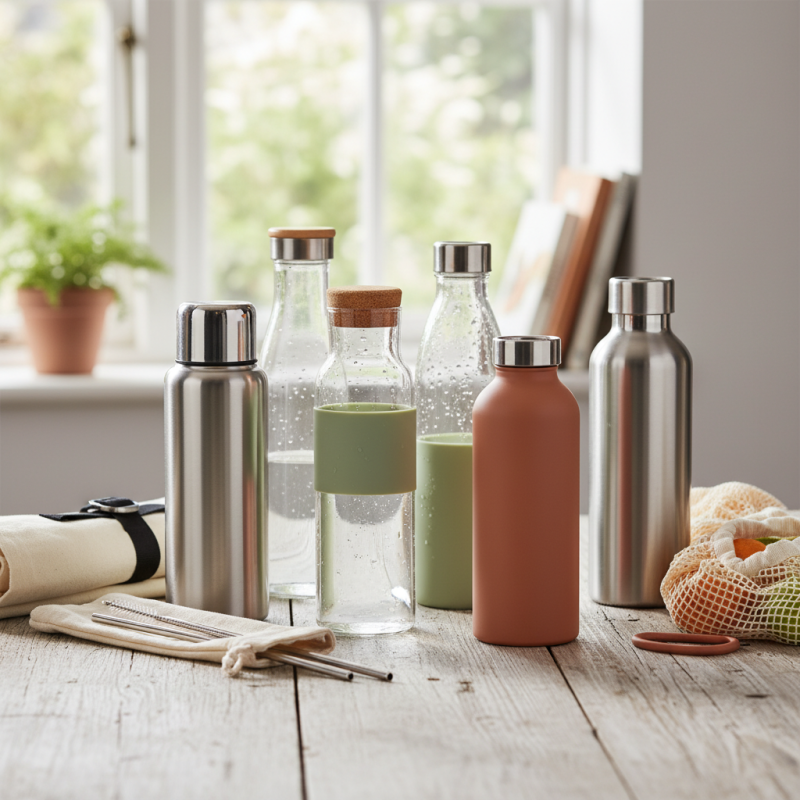
When selecting a refillable bottle, consider the material. Stainless steel and glass are excellent choices. They are durable and often free of harmful chemicals. Look for bottles that are easy to clean and maintain. A bottle that is difficult to clean may discourage regular use. Remember, the best option is one you will carry daily.
Tips for making the most of your refillable bottle include carrying it everywhere. Fill it with water, coffee, or your favorite beverage. Make refilling a part of your routine. Choose a design that feels comfortable in your hand. Reflect on your habits to ensure you use it consistently. Over time, these small changes contribute to a much larger positive impact on the planet.
Key Features to Look for When Choosing a Refillable Bottle
Choosing the right refillable bottle is essential for sustainable living. When selecting a bottle, consider its material, capacity, and design. Research shows that stainless steel bottles are preferred for their durability and recyclability. They can last for years, reducing waste significantly.
Tips: Look for bottles that are BPA-free. This ensures that harmful chemicals are not leaching into your drinks. A bottle's capacity matters too. A 500ml bottle is convenient for short outings, while a 1-liter bottle can keep you hydrated all day.
The design should be user-friendly. A wide mouth makes cleaning easier and allows for ice cubes. Moreover, an insulated option keeps beverages cold or hot longer. In the U.S., over 60 million plastic bottles are thrown away daily. This data emphasizes the need for reevaluating our choices. While refillable bottles come with a higher upfront cost, the environmental benefits and long-term savings are undeniable.
Materials Matter: Comparing Plastic, Glass, and Metal Bottles
When choosing a refillable bottle, materials significantly impact sustainability and health. Plastic, glass, and metal each have unique benefits and drawbacks. According to the Environmental Protection Agency, plastic accounts for 60% of all bottled water waste. While lightweight and convenient, plastic can leach chemicals, especially when exposed to heat.
Glass bottles are non-toxic and recyclable, providing a safe option. A study from the Journal of Cleaner Production states that glass has a lower carbon footprint than plastic over several uses. However, glass is heavier and more prone to breaking, which may deter some users.
Metal bottles, such as stainless steel, combine durability with recyclability. They maintain beverage temperatures and reduce waste. The Global Alliance for Incinerator Alternatives highlights that steel recycling saves 74% of energy compared to producing new metal.
When selecting a bottle, consider your lifestyle and use case. Evaluate whether weight matters for travel or if you prioritize safety at home. Think about the longevity of the bottle and how often you will refill it. Switching to a refillable option is a step towards reducing plastic waste. However, reflect on your habits and commitment to sustainability. Making small, informed choices can empower you to lead a more eco-friendly lifestyle.
Assessing Size and Capacity: Finding the Right Fit for Your Lifestyle
Choosing the right refillable bottle is crucial for sustainable living. One of the key factors to consider is size and capacity. A bottle that fits your lifestyle can encourage consistent hydration and reduce waste. Large bottles are great for outdoor activities, while smaller versions are perfect for daily commutes.
When assessing size, think about your daily habits. Are you often on the go? A compact bottle might be best. Or do you spend long hours at your desk? A larger capacity can be more convenient. Many overlook the importance of capacity. A bottle that feels too heavy may end up unused. This contributes to the very waste we aim to minimize.
Consider your water intake goals too. If you aim to drink more, a bigger bottle might serve as a reminder. Keep in mind the design as well. If it isn’t easy to carry, you'll likely leave it behind. Note how often you plan to refill it. It's a balance of size, convenience, and daily use that affects your choice.
Best Practices for Maintaining and Cleaning Your Refillable Bottle
When maintaining and cleaning your refillable bottle, proper practices can enhance its longevity and usability. Regular washing is essential. Use mild soap and warm water to clean the bottle after each use. This helps prevent bacterial buildup. Remember to also check for residue or odors that might linger. An occasional deep clean with a mixture of vinegar and baking soda can effectively eliminate stubborn smells.
Tips: Ensure you don’t skip cleaning the cap or lid. These areas can trap moisture and develop mold. Consider air-drying your bottle completely upside down. This allows any residual water to escape freely, minimizing bacteria growth.
Make it a habit to inspect your bottle regularly. Look for cracks or wear, which can compromise functionality. Sometimes, you might overlook small imperfections. Noticing these issues can prevent larger problems later. If your bottle begins to smell or taste odd, it's a sign that it requires deeper attention. Choose a cleaning method that suits your lifestyle and be consistent.