How to Choose the Best Bottle and Wine for Any Occasion?
Choosing the best bottle and wine for any occasion can be a delightful yet daunting task. Renowned sommelier James Smith once said, “The right bottle can elevate any experience.” This insight captures the essence of how a carefully selected bottle and wine can complement celebrations or quiet gatherings.
When selecting a bottle, consider the event's mood and the guests' preferences. Do they enjoy light, fruity wines or bold, full-bodied varieties? Specific occasions call for particular choices. For instance, a summer picnic might pair well with a crisp white wine, while a cozy dinner might call for a rich red. The bottle’s presentation also matters. A beautifully designed label can enhance the gift-giving experience.
However, navigating the diverse world of bottle and wine options can lead to confusion. Many options may overwhelm newcomers. It’s essential to embrace this complexity and reflect on what truly resonates. Choosing a bottle is not just about taste; it’s about the memories it creates. The journey of selecting the right wine can be a mix of trial and error. Each choice teaches valuable lessons, shaping your palate and understanding over time.

Understanding Different Types of Wine Bottles and Their Uses
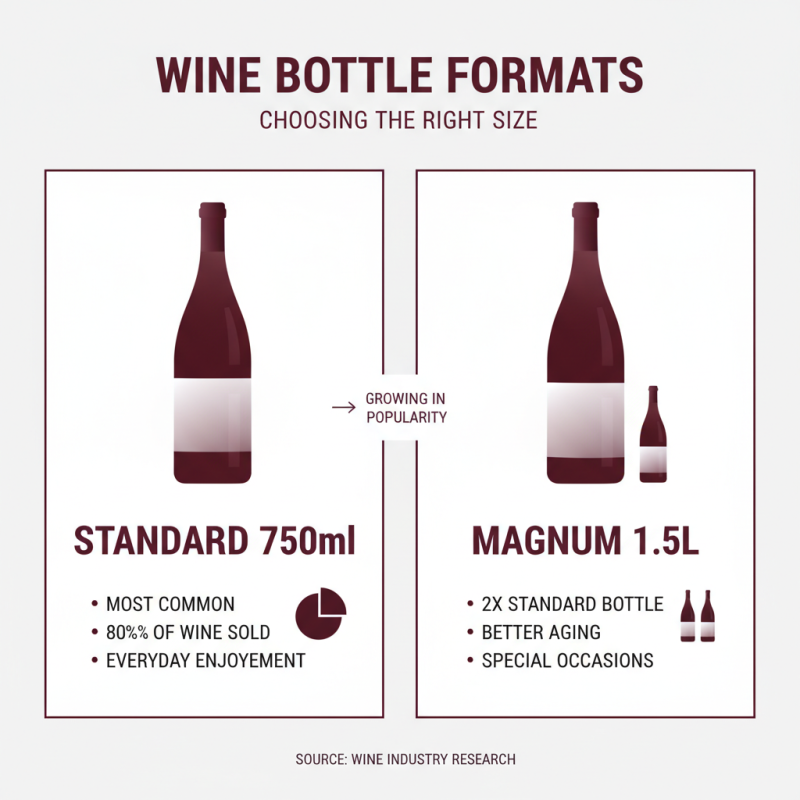
When selecting a wine bottle, the type of bottle plays a critical role. Generally, wine bottles come in various shapes and sizes. A standard 750ml bottle is the most common. Research shows that over 80% of wines are sold in this format. However, larger formats like magnums (1.5 liters) are becoming more popular for special occasions. They not only hold more wine but also age better.
Different wine bottles serve different purposes. For sparkling wines, a thicker glass is essential. It withstands high pressure and maintains quality. In contrast, wines designed for early consumption often come in lighter bottles. According to industry reports, nearly 60% of consumers prefer wines in eco-friendly packaging. This trend affects bottle design and production methods.
Choosing the right bottle involves more than aesthetics. The closure type, whether cork or screw cap, influences flavor preservation. Bottles should not just look good; they must serve a purpose. For a relaxed picnic, a lightweight bottle is ideal. In formal settings, choose a traditional bottle with a cork. This attention to detail can enhance the experience.
Factors to Consider When Choosing Wine for Special Occasions
When choosing wine for special occasions, consider the type of event. A wedding calls for bubbly choices, while a cozy dinner might need a rich red. Think about the meal. Pair light dishes with whites and robust meals with bold reds. The right wine enhances the overall experience.
Taste preferences are crucial. Guests might have different likes and dislikes. Offering a variety can make everyone happy. Avoid assuming that all will enjoy the same flavor profile. It’s acceptable to create a mix—red, white, and maybe a rosé.
Remember to consider the season. Warm weather favors lighter wines. Alternately, winter events often call for full-bodied options. Don’t forget the bottle presentation. A beautiful bottle can elevate the occasion. It's fine if you aren't a wine expert; sometimes, experimenting leads to delightful surprises.
Pairing Wine with Food: Best Practices for Every Event
Pairing wine with food is both an art and a science. Each dish has its own flavors and textures. When choosing wine, consider the main ingredients. For example, a rich, meaty dish often pairs well with fuller-bodied wines. A light salad might call for a crisper, fresher option. It’s about balance. You want harmony between your food and wine choices.
However, matching wine with food is not always straightforward. Some might choose a bold red with seafood, which can clash. It's essential to experiment and trust your palate. Consider the seasoning of the dish as well. Spicy food often needs sweeter wines to tone down heat. Yet, this doesn’t always hold true for every palate. Reflecting on past pairings helps you learn what works and what doesn’t.
Don’t hesitate to break conventions. Sometimes, a surprising pairing can spark joy. If you love a particular wine, explore its potential with various dishes. Be open to unexpected flavors. Wine doesn't need to be stuffy or complicated. At the end of the day, your enjoyment matters most.
How to Choose the Best Bottle and Wine for Any Occasion? - Pairing Wine with Food: Best Practices for Every Event
| Occasion |
Recommended Wine |
Food Pairing |
Serving Temperature |
| Wedding |
Chardonnay |
Grilled Chicken |
45-50°F |
| Birthday Party |
Cabernet Sauvignon |
Beef Steak |
60-65°F |
| Casual Dinner |
Pinot Noir |
Pasta with Tomato Sauce |
55-60°F |
| Holiday Feast |
Zinfandel |
Glazed Ham |
50-55°F |
| Romantic Dinner |
Sparkling Wine |
Seafood |
40-45°F |
Tips for Selecting the Right Bottle Size and Shape for Your Needs
Choosing the right bottle size and shape can greatly enhance your wine experience. Consider the occasion and the number of guests. A small, slender bottle is perfect for an intimate dinner. Larger bottles serve as great centerpieces for parties, allowing guests to serve themselves. Think about the serving style too. A bottle with a wider opening is easy for pouring.
When selecting wine, the bottle shape often indicates the type inside. A tall, narrow bottle might hint at a more refined wine. On the other hand, a round, stout bottle could suggest richness. However, realize that these shapes don’t guarantee quality. Often, labels mislead. Trust your own tastes; experiment with different shapes and sizes.
Don’t overlook personal preferences. Some may love a specific size, while others might struggle with it. It’s normal to feel confused when choosing. Take your time; a hasty decision may lead to disappointment. Make notes of what you enjoy or dislike. This reflection will guide future choices. In making selections, always bring a sense of adventure.
Wine Bottle Sizes and Popularity for Different Occasions
The Importance of Wine Labels: Decoding Information for Selection
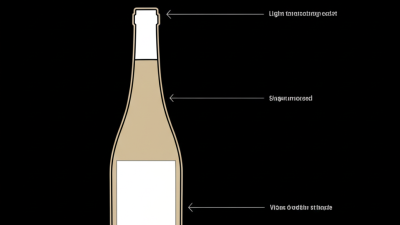
Choosing the right wine can be daunting. The label holds crucial information. It can tell you about the wine's origin and flavor profile. Understanding this can enhance your selection process.
When examining a wine label, look for the grape variety. Different grapes bring unique flavors.
A Sauvignon Blanc is often crisp, while a Cabernet Sauvignon may be bold and robust. Check the vintage, too. It indicates the year the grapes were harvested. The climate can greatly affect the wine's taste.
Tip: Don't just rely on the label design. A fancy bottle doesn’t always mean quality wine. Try different regions. European wines can be quite different from those in the New World.
Also, consider the alcohol content. Higher alcohol levels can mean a richer flavor. Sometimes, it’s okay to ask for recommendations. Remember, everyone's palate is different.
Think about what you enjoy. This process may require some trial and error. Enjoying wine is also about the experience. Keep an open mind, and don’t be afraid to experiment.