How to Choose the Best Wine in a Bottle for Your Needs?
Choosing the right wine in a bottle can enhance your dining experience. With countless options available, this task can feel daunting. Factors like flavor profile, aroma, and food pairing are crucial. Today's wine market offers diverse varieties, making it essential to know your preferences.
When selecting wine in a bottle, consider the occasion. A casual gathering calls for a different choice compared to a formal dinner. Price is another factor; you don't always need expensive wine for enjoyment. Sometimes, a mid-range bottle can surprise you with its quality.
Personal preferences matter significantly. You might enjoy fruity notes, while someone else prefers earthy tones. Experiment with different types to discover your favorite. Embrace the journey of exploration, even if it leads to unexpected choices. Wine tasting is subjective; seek guidance, but trust your instincts.
Understanding Different Types of Wine and Their Characteristics
Choosing the right wine involves understanding its various types and their unique characteristics.
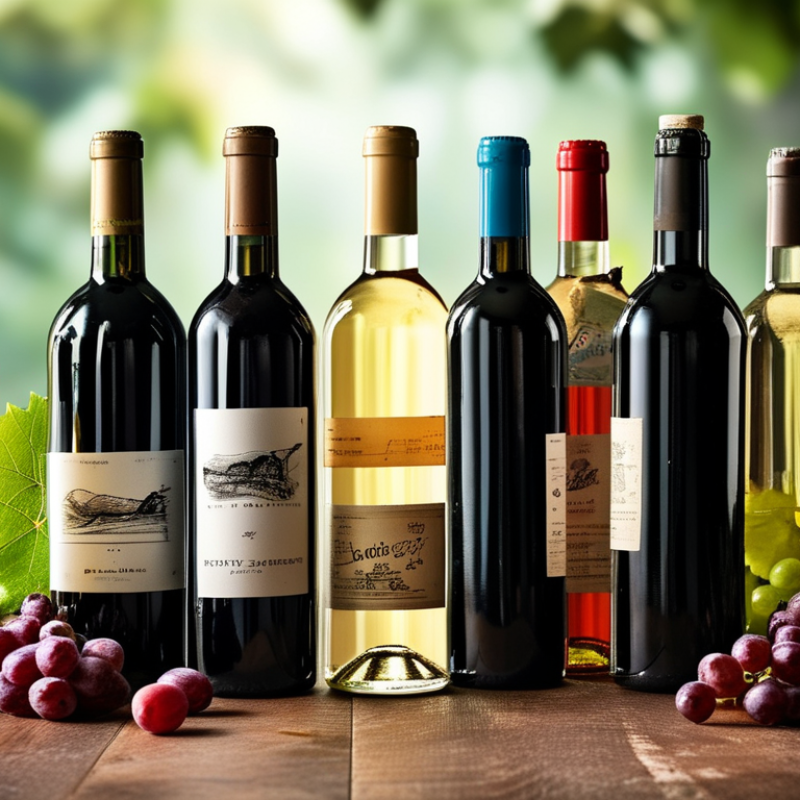
Red wines often carry rich, bold flavors. You may enjoy Cabernet Sauvignon for its depth or a lighter Pinot Noir for subtle elegance. Each grape variety offers different profiles, affecting your choice based on taste preference.
White wines are often crisper and refreshing. Chardonnay can be buttery and full-bodied, while Sauvignon Blanc tends to be zesty and herbal.
The region where the grapes are grown can also influence these flavors. Many are surprised by how much temperature affects wine experience, changing the aroma and taste.
Sparkling wines add an element of celebration. They vary from sweet to dry. Many people don’t realize how food pairing can enhance or mask flavors.
Experimenting is essential. It might require some trial and error to find what suits you best. Embrace the complexity of wine; it’s all part of the journey.
Identifying Your Personal Taste Preferences in Wine Selection
Choosing the right wine starts with understanding your personal taste. Does fruitiness excite you? Or do you lean towards earthy notes? Exploring these preferences can significantly impact your selection process.
Consider the types of wine you typically enjoy. Red or white? Sweet or dry? Each category offers a spectrum of flavors. For instance, a deep, spicy red could appeal to those who enjoy boldness. In contrast, a crisp white might be perfect for someone who prefers lightness. Don’t hesitate to taste before you buy. Sampling different varieties allows you to discover what truly resonates with you.
Remember, wine tasting is subjective. What delights one person may not suit another. Keep an open mind. It’s okay to have mixed feelings about certain wines. Reflect on your experiences to refine your choices. What did you love or dislike? This ongoing journey will help you build a better understanding of your unique palate.
How to Choose the Best Wine in a Bottle for Your Needs?
| Wine Type |
Flavor Profile |
Serving Temperature (°C) |
Food Pairings |
Ideal Occasion |
| Red Wine |
Berry, Spicy, Earthy |
16-18 |
Red meat, Pizza, Rich pasta |
Dinner parties, Celebrations |
| White Wine |
Citrus, Floral, Crisp |
8-10 |
Seafood, Chicken, Salads |
Summer picnics, Brunch |
| Rosé Wine |
Berry, Watermelon, Floral |
10-12 |
Light salads, Grilled vegetables, Cheese |
Casual gatherings, Outdoor events |
| Sparkling Wine |
Fruity, Floral, Crisp |
6-8 |
Appetizers, Desserts, Celebration meals |
Weddings, Anniversaries |
| Dessert Wine |
Sweet, Rich, Creamy |
8-10 |
Cheesecake, Chocolate, Fruit tarts |
After-dinner, Special occasions |
Evaluating Wine Labels: Key Terms and Information to Consider
Choosing the right wine begins with understanding the label. Wine labels provide essential clues about the quality and style of the wine. Look for information like the wine region, grape varieties, and vintage year. For example, wines from regions such as Bordeaux or Napa Valley are often more reliable choices. According to a report from the International Organisation of Vine and Wine, 29% of wine consumers prioritize origin when selecting a bottle.
Key terms such as "terroir" and "single vineyard" can indicate quality. Terroir reflects the unique combination of soil, climate, and tradition in a specific area. Single vineyard wines highlight the distinct characteristics of one location. The Wine Market Council notes that 52% of serious wine drinkers appreciate these terms, suggesting a focus on authenticity.
On the other hand, be cautious with labels that use ambiguous terms. Words like "Reserve" or "Old Vine" lack strict legal definitions, leading to potential confusion. A study by Vinexpo found that many consumers often misinterpret these terms. Checking for certifications or awards, like a gold medal at a prestigious wine competition, can also guide your choice. Engaging with knowledgeable staff at wine shops can provide invaluable insights.
Considering Food Pairings and Occasions When Choosing Wine
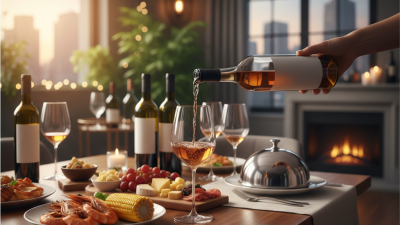
When selecting a wine, food pairings and occasions play a critical role. Pairing white wine with seafood enhances flavors. On the other hand, red wine can elevate a hearty meal, such as steak. According to the Wine Institute, nearly 80% of wine consumers consider food pairings when making a choice. This statistic highlights the importance of understanding how different wines interact with various cuisines.
Consider the occasion as well. A casual gathering may call for a light rosé or sparkling wine. In contrast, a formal dinner might necessitate a bold cabernet. A survey from the International Wine & Spirit Competition shows that 65% of respondents choose wine based on the event’s significance. Wine selection should reflect the mood and purpose of the occasion.
It’s important to note that not all pairings are perfect. Sometimes, wines can clash with food, creating an unpleasant experience. Experimentation is key. Personal preferences can shift based on mood or setting. Remembering that taste is subjective allows for a more flexible approach to wine selection. Consider your taste and the environment for a better experience.
Budgeting Wisely: How to Find Quality Wine at Various Price Points
When searching for quality wine, budgeting is key. Research indicates that nearly 80% of wine drinkers overlook great options in lower price ranges. Prices do not always reflect quality. A bottle priced at $10 can be just as enjoyable as one at $50.
For example, a recent study by a leading wine education organization found that wines from emerging regions often offer excellent value. Many bottles range from $7 to $15 and have received accolades in industry competitions. This means you can enjoy high-quality wine without breaking the bank.
Experimenting with various price points can also refine your taste. You might find a palate for specific grapes or regions. Don't shy away from lower-priced wines. Reflect on your preferences and consider keeping a journal. This practice helps track not only flavors but also the price to quality ratios you discover. Remember, wine enjoyment is personal, and budget-friendly choices can lead to delightful surprises.