Why Choose Stainless Steel 316L Pipes for Your Projects?
When selecting materials for industrial projects, Stainless Steel 316l Pipes stand out for various reasons. According to a market analysis by Grand View Research, the global stainless steel pipes market is anticipated to reach USD 12.43 billion by 2025, largely due to the growing demand for durability and corrosion resistance in various applications. Stainless Steel 316L Pipes, specifically, are known for their excellent resistance to pitting and crevice corrosion in chloride environments, which makes them ideal for use in marine and chemical industries.
Mechanically, these pipes have a tensile strength of around 515 MPa, offering robust performance under high-stress conditions. Their low carbon content reduces carbide precipitation during welding, contributing to improved toughness. However, the choice of stainless steel must consider factors like cost and application specifics. While 316L offers many advantages, it can be pricier than other materials. This concern may lead to the need for comprehensive cost-benefit analyses during the selection process.
Ultimately, the decision to utilize Stainless Steel 316L Pipes should align with project requirements and long-term performance expectations. It is essential to weigh the benefits against potential drawbacks. Industries focused on sustainability often find that investing in high-quality materials upholds reliability, despite initial costs. By doing so, they ensure lower maintenance and replacement needs, marking a strategic choice for future projects.
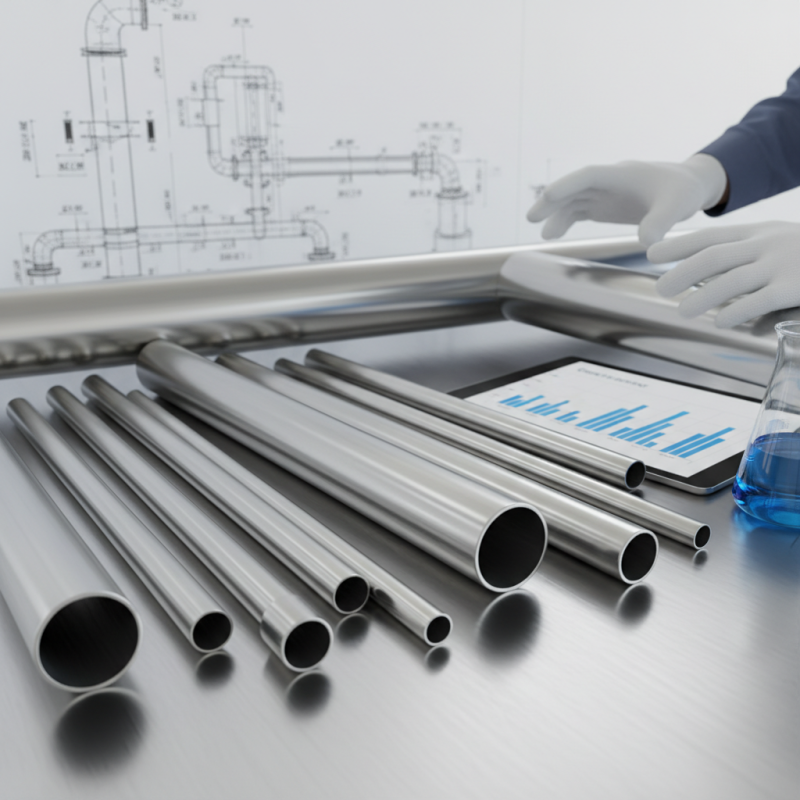
Benefits of Using Stainless Steel 316L Pipes in Construction Projects
Stainless steel 316L pipes are increasingly popular in construction projects. They offer remarkable resistance to corrosion, making them ideal for harsh environments. This material excels in industrial sectors, such as chemical processing and marine applications. When used in construction, these pipes ensure longevity and reduce maintenance costs over time.
These pipes are also known for their strength and durability. They can withstand high temperatures and pressures, which is vital in many applications. The lightweight nature of stainless steel 316L allows for easier installation and transportation. However, while they may be more expensive initially, the investment pays off in the long run due to their reduced need for replacements.
On the other hand, it’s important to consider the welding process. Welds can sometimes weaken the corrosion resistance. This requires skilled labor to ensure quality. Moreover, the surface finish must be maintained to prevent pitting or rust. These factors highlight the need for careful planning in your projects. Choosing stainless steel 316L pipes demands attention to detail but offers substantial benefits.
Characteristics of Stainless Steel 316L That Enhance Durability
Stainless steel 316L pipes offer remarkable durability for various projects. One key characteristic is their high resistance to corrosion. This quality comes from the addition of molybdenum, which enhances the material's ability to endure harsh environments. Whether in marine applications or chemical processing, these pipes withstand wear through time.
Another important feature is their strength. Stainless steel 316L is designed to perform under extreme temperatures. This makes it a reliable choice for industries that require both heat and pressure resistance. The material's low maintenance needs can also save time and costs in long-term projects.
Still, there are details to consider. While 316L is durable, improper installation can lead to compromises. Regular inspections are essential to ensure integrity. It’s important to remain vigilant about potential weld defects. Understanding these nuances can make a significant difference in project outcomes. Choosing the right materials is crucial, but execution matters just as much.
Comparative Analysis: Stainless Steel 316L vs Other Pipe Materials
When comparing materials for piping projects, Stainless Steel 316L stands out. Its corrosion resistance is exceptional. This quality is crucial in harsh environments, such as chemical processing. Other materials like carbon steel or PVC might not withstand such conditions well.
Stainless Steel 316L boasts a lower risk of pitting and crevice corrosion. This makes it a reliable choice for marine and industrial applications. In contrast, carbon steel requires frequent maintenance and protective coatings. PVC is lightweight but cannot handle high temperatures, making it less versatile.
Tips: When selecting pipes, consider your project's specific environment. Assess factors such as temperature, pressure, and potential exposure to corrosive substances. Remember, choosing the right material can save costs in the long run. Understanding the strengths and weaknesses of each option is vital. Balancing performance and budget is often tricky, but it’s worth the effort to mitigate long-term risks.
Common Applications of Stainless Steel 316L Pipes in Various Industries
Stainless steel 316L pipes are widely used in various industries due to their excellent corrosion resistance. One of the most common applications is in chemical processing. The pipes can withstand harsh chemicals and high temperatures. They are essential for transporting acids and bases safely.
Another significant application is in the food and beverage industry. The hygienic properties of 316L steel ensure that the sanitary requirements for food processing are met. Pipes made from this material are easy to clean and maintain, ensuring high safety standards.
Tips: Always consider the environment when selecting materials. Assess the specific requirements of your project. Think about temperature and exposure to chemicals. Improper choices can lead to costly repairs.
Marine applications also benefit from 316L pipes. The material’s resistance to saltwater prevents rust and degradation. Many shipbuilding companies rely on 316L for durability. This sector shows how crucial material selection is for long-term performance.
Tip: Regularly inspect the pipes even if they are made of high-quality materials. Look for any signs of wear or corrosion. Early detection can save time and money in the long run.
Maintenance and Care Practices for Stainless Steel 316L Pipes
Maintaining Stainless Steel 316L pipes is crucial for their durability and performance. Regular inspection is essential. Look for signs of pitting or rust. These tiny flaws can lead to larger issues if left unchecked. Cleaning should be done with mild detergents and warm water. Using abrasive materials can damage the surface.
Proper installation plays a significant role in the longevity of these pipes. Ensure seals are secure to avoid leaks. Improper fittings can lead to stress, resulting in cracks. Environmental factors, such as saltwater, can be particularly harmful. In coastal areas, more frequent maintenance may be necessary.
Monitoring temperature fluctuations is also important. Extreme heat or cold can cause expansion and contraction, affecting the integrity of the pipes. Documenting maintenance schedules can help track potential issues over time. Being proactive in care is better than dealing with major repairs later. Regular upkeep can make a significant difference in the life of Stainless Steel 316L pipes.