How to Choose the Best Wine in the Bottle for Any Occasion?
Choosing the best wine in the bottle can be daunting. Each selection holds a story and experience waiting to unfold. This process can set the mood for a dinner, celebration, or quiet evening. The right wine elevates any occasion, turning the ordinary into something memorable.
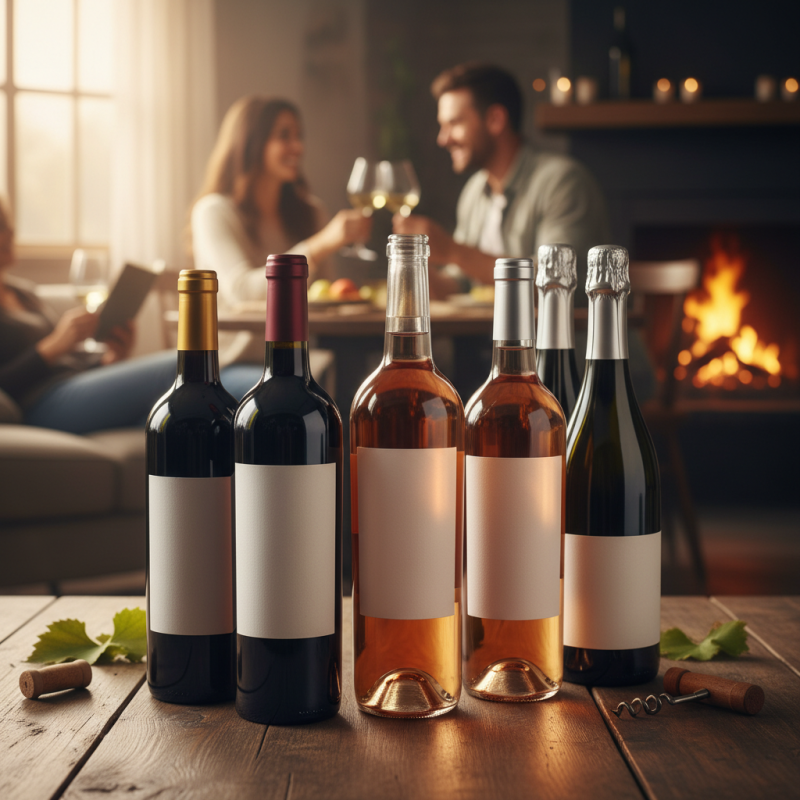
Consider your choices carefully. You have red, white, rosé, and sparkling wines. Each type serves different tastes and meals. A robust red might complement a hearty meal, while a crisp white suits lighter dishes. Pay attention to labels; they offer clues about flavor profiles.
Sometimes, you may feel overwhelmed by options. It's natural to question your choices. Not every bottle purchased will impress. Allow yourself the space to experiment and reflect on your preferences. Next time, you might choose a wine in the bottle that surprises you. Enjoy the journey of finding that perfect wine.
Understanding Wine Types: Red, White, Rosé, and Sparkling Choices
Choosing the right wine for any occasion can be daunting. Understanding wine types—red, white, rosé, and sparkling—can simplify this process. Red wines, such as Cabernet Sauvignon and Merlot, are often favored for their rich flavors. They pair well with red meats and hearty dishes. According to a recent industry report, red wine accounts for 55% of global wine consumption. This popularity stems from the deep, complex tastes they offer.
White wines, including Chardonnay and Sauvignon Blanc, are typically lighter. They complement seafood and salads beautifully. Notably, Sauvignon Blanc is increasingly popular, with a 10% rise in sales over the last two years. This trend reflects a growing preference for refreshing, zesty wines, especially in warmer months. Rosé and sparkling wines add uniqueness to the selection. Rosé is versatile, equally enjoyable in casual settings or formal gatherings. Sparkling wines, like Champagne, bring a celebratory flair. They often signify special moments, even if their price tags can prompt hesitation.
Yet, finding the ideal bottle requires contemplation. A wine's body, acidity, and flavor profiles should align with your meal and mood. It’s easy to be overwhelmed by choices. Many may overlook personal taste in favor of trends. Research shows a disconnect; consumers often select wines based on labels or recommendations. Awareness of one’s preferences is vital. Enjoy the journey of exploring various styles. Discover what truly resonates with your palate.
How to Choose the Best Wine in the Bottle for Any Occasion?
| Wine Type |
Best Food Pairing |
Serving Temperature (°C) |
Occasions |
| Red |
Red meats, rich pasta dishes |
16-18 |
Dinner Parties, BBQs |
| White |
Seafood, chicken, salads |
8-12 |
Picnics, Late Lunches |
| Rosé |
Pasta, light salads, spicy foods |
8-10 |
Summer BBQs, Casual Gatherings |
| Sparkling |
Brunch, appetizers, desserts |
6-8 |
Celebrations, New Year's, Weddings |
Evaluating Flavor Profiles: Tasting Notes and Pairing Recommendations
When choosing a wine, understanding flavor profiles is essential. Tasting notes can help guide your selection. For example, fruity wines often feature notes of berries or citrus. They can be refreshing and perfect for warm weather. In contrast, more robust wines can have hints of chocolate, spice, or earthy undertones. These are excellent for cooler, cozy evenings.
Pairing wine with food can heighten your experience. Light wines pair well with salads or seafood. A crisp white can brighten a simple dish. Rich, full-bodied reds are more suitable for hearty meals like steak or barbecue. But not every pairing is straightforward. Some might find an unexpected white goes well with a rich pasta. Experimentation can lead to happy surprises.
Consider the occasion when selecting wine. A casual gathering might call for something approachable but flavorful. On a more formal event, a complex wine can enhance the ambiance. Remember, it's okay to feel uncertain. Not every selection will be a hit, and that's part of the journey. Try taking notes on what you enjoy and what doesn’t resonate. This process can lead to better choices in the future.
Recognizing Wine Ratings: Decoding Scores and Reviews from Experts
Decoding wine ratings can feel overwhelming at first. Expert opinions vary widely. Numbers, often between 80 and 100, represent scores that suggest quality. A wine rated above 90 is often considered excellent. But scores don’t tell the whole story. They can be subjective.
Reading reviews adds context. Some experts focus on flavor, while others highlight aroma or finish. Descriptive words like “fruity” or “earthy” might resonate with you. Pay attention to these details. They can guide your choices. However, personal taste is paramount. A wine rated highly by an expert might not please your palate.
Trust your instincts. Try different varietals and regions. Attend tastings for hands-on experience. You might find a hidden gem that’s not critically acclaimed. Take notes on what you enjoy. This process requires time and patience. Embrace the journey of discovery.
Wine Ratings for Different Varieties
Considering Occasion and Budget: Selecting Wine for Events and Meal Types
Choosing the right wine for an occasion involves various factors. Taking the event into account is crucial. A casual gathering may call for something lighter and easier to drink. Meanwhile, a formal dinner may require a more sophisticated selection. According to recent market reports, approximately 50% of wine consumers choose based on the type of event. This data highlights the importance of context.
Budget plays a vital role as well. Premium wines can enhance the dining experience, but not everyone can afford high-end options. Interestingly, a study shows that 62% of consumers are willing to pay more for quality. Yet, some may overlook the hidden gems in lower price ranges. Additionally, pairing wine with food can make a significant difference. A well-chosen wine can elevate your meal, while a poor match can detract from it. Each pairing is unique, and exploring different options is part of the fun.
Personal preferences also shape wine selection. Many people stick to familiar types, while others are adventurous. Failures in choice often lead to memorable, albeit ironic situations. It’s okay to make mistakes; they can inform better decisions next time. Going beyond conventional pairings sometimes yields delightful surprises. Observing trends in wine preferences can provide insight, but the heart of the matter lies in what suits your palate and occasion best.
Storing and Serving Wine: Ideal Conditions for Optimal Taste Experience
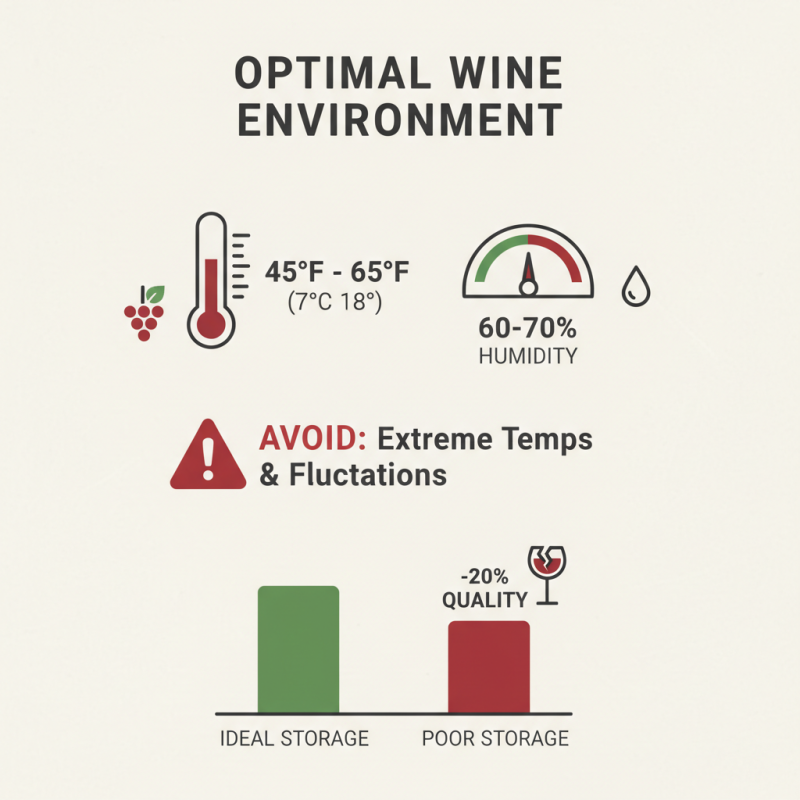
When serving wine, the environment greatly influences its flavor. Ideal conditions range from storage temperature to humidity levels. Most experts recommend storing wine between 45°F and 65°F (7°C to 18°C). A significantly different temperature can alter the taste. This advice aligns with common findings in industry reports, which state that improper storage can degrade wine quality by up to 20%.
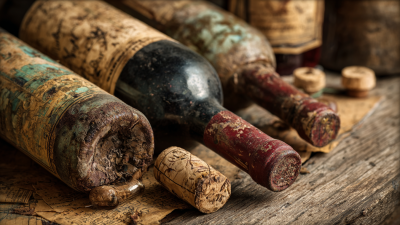
Humidity also plays a crucial role. Too low humidity can dry out corks, leading to oxidation. Conversely, excessive humidity can encourage mold growth. The ideal range is between 50% to 70%. Maintaining this balance ensures your wine's integrity and enhances the tasting experience.
**Tips:** Always store wine bottles horizontally. This keeps the cork moist and prevents air from seeping in. Use a dedicated wine refrigerator for optimal conditions. Make sure your storage area is dark, as UV light can damage wine. For serving, let red wines breathe. Opening them an hour before serving can improve flavor significantly. Always try, though, and see if you find a style you enjoy!
It's important to reflect on your storage habits. Many enthusiasts overlook these factors. Sometimes, the best (and worst) experiences come from learning how to improve storage. Make adjustments based on your observations and preferences.