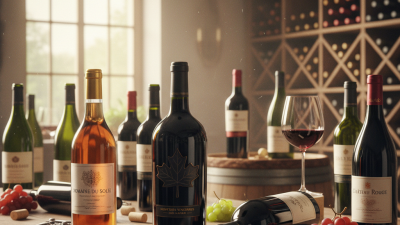

Choosing the biggest wine glass is not a simple race for maximum capacity. For restaurants, hotels, tasting rooms, and wine retailers, the decision affects aroma, service speed, storage, breakage, and guest perception. A large bowl can help red wine breathe, but an oversized rim may weaken delicate aromas and make controlled pouring difficult.
Industry data supports a careful approach. The Silicon Valley Bank State of the US Wine Industry Report 2024 describes continuing pressure on wine volume and changing consumer preferences. That means every service detail must justify its cost. The IWSR Drinks Market Analysis 2024 also highlights moderation and premium drinking occasions. Guests may expect elegance, not merely a dramatic glass.
Maximilian J. Riedel, a leading figure in premium glassware, has said, “The glass is the tool that allows you to experience wine.” This principle guides the selection of the biggest wine glass. Consider a 30-ounce bowl for structured reds, but test its balance with a realistic 5-ounce pour. Watch how the wine moves. Notice where the aroma gathers.
Practical experience matters.
Measure your dishwasher racks, shelving depth, and table settings before ordering. A glass that looks impressive may collide with neighboring settings or require slower handwashing. Thin crystal can improve tactile quality, yet frequent breakage may erase its commercial value. This is where the choice becomes less glamorous. The biggest glass is not always the best glass.
A reliable buying decision compares bowl shape, rim diameter, stem strength, replacement cost, and staff handling. Trial service with actual guests can reveal problems that catalog photographs hide.
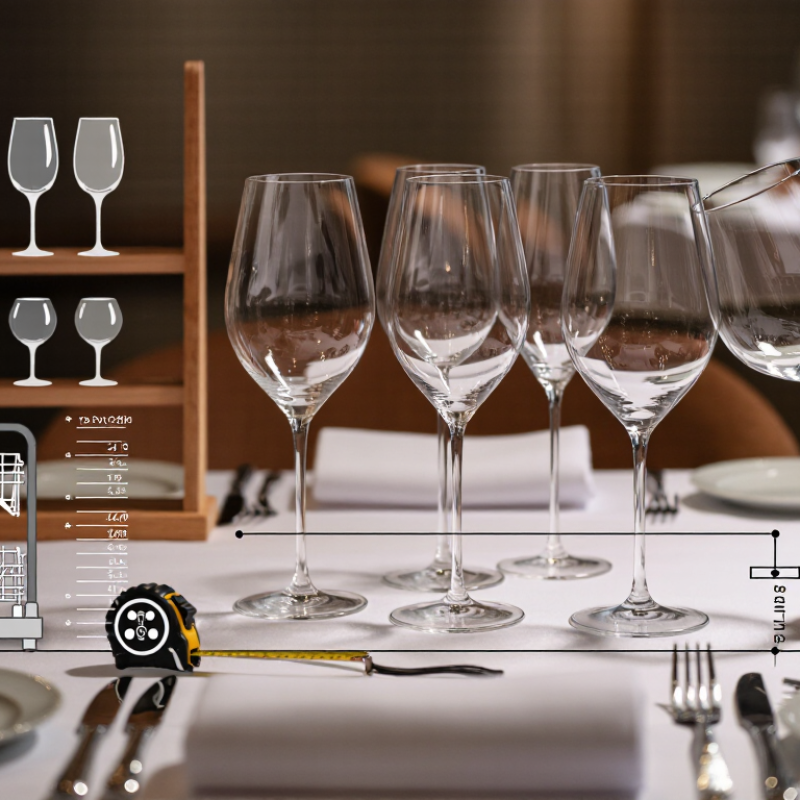
Choosing extra-large wine glasses begins with a practical question: what service experience should they create? A tasting room may need a wide bowl for aroma, while a busy restaurant may value speed and stability. Define the pour size before selecting capacity. A 750 ml bottle does not justify filling a 900 ml bowl. Guests need visual space, and staff need a repeatable serving process. In my experience, oversized glassware looks impressive, but it can slow clearing and increase accidental contact.
Measure table depth, shelf height, dishwasher clearance, and storage space. A tall stem can strike overhead shelves. A broad bowl may touch neighboring glasses during service. Ask staff to carry a filled sample through the actual dining area. This simple test reveals problems that catalog dimensions miss. Check rim thickness, stem strength, base weight, and replacement availability. A heavy base feels secure, yet it may tire servers during a long shift. That trade-off deserves honest review.
Record breakage, washing time, and guest feedback during a short trial. Use the same wine and pour level when comparing options. A glass that photographs beautifully may perform poorly under daily pressure. I would test two sizes, not one. Bigger is not always better. Some guests may find extreme proportions awkward, especially at smaller tables. Business needs can change by venue, season, and service format, so revisit the choice after collecting real operating data.
How to Choose the Biggest Wine Glass for Your Business?
Compare Wine Glass Sizes, Shapes, and Intended Uses
The biggest wine glass is not automatically the best commercial choice. In service, bowl capacity, pouring control, storage space, and breakage risk matter equally. A large bowl may hold 600 to 900 milliliters, but most venues should not fill it near the rim. Leave space for swirling and aroma development.
Red wine glasses usually have wider bowls, helping guests observe color and release aromas. Bordeaux-style glasses are often taller and narrower, while Burgundy-style glasses are broader and rounder. White wine glasses tend to be smaller, commonly between 350 and 550 milliliters, because cooler wine benefits from slower warming. Sparkling wine needs a narrow flute or tulip shape to help preserve bubbles.
I have seen restaurants choose oversized glasses for visual impact, then struggle with crowded shelves and frequent chips. The display looked impressive. The workflow did not. Measure your shelving, dishwasher racks, table spacing, and average pour before ordering. A 750-milliliter glass may suit tasting rooms or premium red-wine service, but it can feel excessive in a busy dining room. Smaller universal glasses often improve consistency between staff members. That trade-off deserves honest review. A practical test uses water, not wine: check pouring accuracy, grip comfort, rack clearance, and table stability. One awkward glass can slow service.
| Glass Style | Typical Capacity | Shape and Size Characteristics | Common Intended Uses | Business Considerations |
|---|---|---|---|---|
| ISO tasting glass | About 215 mL (7.3 fl oz) | Moderately sized, tulip-shaped bowl that narrows toward the rim. | Wine tastings, staff training, and structured wine evaluation. | Compact and practical for tasting flights; its capacity is not a serving-size recommendation. |
| Champagne flute | About 180–240 mL (6–8 fl oz) | Tall, narrow bowl designed to show bubbles and help retain carbonation. | Sparkling wine, Champagne, and celebratory service. | Uses less storage space than large-bowl glasses; its narrow shape is less suited to aromatic still wines. |
| White wine glass | About 300–450 mL (10–15 fl oz) | Usually smaller than a red-wine glass, with a moderately narrow bowl. | Many crisp, aromatic, and lighter-bodied white wines. | A versatile choice for standard by-the-glass service and controlled portions. |
| Standard red wine glass | About 450–650 mL (15–22 fl oz) | Rounded bowl with more room than a typical white-wine glass. | Everyday service of a broad range of red wines. | A practical general-purpose option; choose a stable base and durable stemware for busy service. |
| Bordeaux-style glass | About 500–750 mL (17–25 fl oz) | Tall bowl with relatively straight sides and a narrower opening than a large Burgundy bowl. | Full-bodied reds such as Cabernet Sauvignon and Merlot blends. | Offers generous headspace for aroma while remaining more compact than oversized specialty glasses. |
| Burgundy-style glass | About 600–900 mL (20–30 fl oz) | Broad, rounded bowl that tapers toward the rim. | Delicate, aromatic reds such as Pinot Noir; also used for some aromatic whites. | The wide bowl can enhance aroma presentation but takes up more shelf and storage space. |
| Large-format wine glass | About 750–1,500 mL (25–51 fl oz); varies by design | Extra-large bowl, often based on a Bordeaux or Burgundy profile. | Premium wine presentations, tasting-room displays, and selected full-bodied or aromatic wines. | Best for presentation or specialized service. Confirm rack, dishwasher, and storage clearance; a larger glass does not mean a larger standard pour. |
How to Choose the Biggest Wine Glass for Your Business?
A large wine glass can improve aroma and presentation, but size should not decide alone. OIV estimated global wine consumption at 221 million hectolitres in 2023. That volume creates heavy service pressure. Choose lead-free glass with a stable base and a rim that resists small impacts. Crystal-like clarity looks refined, yet thin bowls often fail faster during busy washing cycles. I learned this the hard way.
Food-service compliance matters more than showroom appeal. The FDA Food Code 2022 requires food-contact surfaces to be smooth, durable, nonabsorbent, and easily cleanable. Check the manufacturer’s care instructions, thermal-shock guidance, and commercial dishwasher compatibility. A glass that survives repeated hot rinses may outperform a larger, more delicate model. The ISO 3591:1977 wine-tasting glass standard can guide shape decisions, but it does not replace practical service testing.
Tips: Test twelve glasses in your actual dishwasher. Inspect rims, stems, and cloudy patches after several cycles. Measure the filled height under your shelves and check storage racks. The National Restaurant Association’s 2024 report projected U.S. restaurant sales above $1 trillion, showing why replacement costs deserve attention. Still, sales data cannot predict your breakage rate. Track it for four weeks before ordering widely. A slightly smaller bowl may serve more safely during crowded events.
Choosing the biggest wine glass for a business starts with capacity, not appearance. A larger bowl can hold generous pours, but it also changes service speed and product cost. Measure usable capacity to the intended fill line, rather than relying on advertised volume.
In busy dining rooms, a 900-milliliter glass may look impressive. It can also feel awkward for smaller hands. Test one case.
For practical handling, check the stem, base width, rim thickness, and total weight. Staff should carry several glasses without touching the bowl. A narrow stem may improve elegance, yet it can increase tipping during tray service.
Fill a sample glass with water and walk a normal service route. Watch doorways, table edges, and crowded clearing stations. My first preference is often too large after testing it during real service. That mistake is useful.
Storage needs equal attention. Measure shelf height, rack spacing, and cabinet depth before ordering. Oversized bowls may require separate racks or fewer units per shelf. That affects breakage risk and replacement costs.
Cleaning is another limit. Confirm that the glass fits safely in your commercial washer, with enough space between rims. Handwashing may protect delicate shapes, but it demands labor and consistent inspection. Check every rim under bright light. Small chips are easy to miss.
Choosing the biggest wine glass for a business starts with the supplier, not the bowl size. A large glass must feel balanced when filled, carried, and washed. Ask for samples before approving a production order. I check rim thickness, stem alignment, base stability, and clarity under bright light. Small flaws become expensive when hundreds of guests notice them. Request test reports for food-contact safety, thermal shock resistance, and dishwasher performance. Documents matter, but hands-on checks matter too. A neat certificate cannot reveal an unstable stem.
Cost needs a wider lens. Compare the unit price, packaging, freight, breakage allowance, replacement speed, and minimum order quantity. The cheapest quote may become costly after chipped rims arrive. Ask suppliers how they protect each glass with dividers, sleeves, or molded inserts. I also request a written sample of their defect policy. It sounds basic. It prevents arguments later. However, my own estimates are not perfect; breakage changes with staff training and storage conditions. Leave room for that uncertainty.
Customization should serve service, not decoration alone. Suppliers may adjust bowl capacity, stem length, logo placement, carton design, or surface finish. Provide a drawing with exact dimensions and tolerance ranges. A simple prototype can expose awkward pouring angles or shelves that are too low. Ask whether the supplier can repeat the same color, engraving depth, and measurements across batches. Reliable communication is part of quality. Choose a supplier that answers technical questions clearly and shares realistic lead times. A polished sample means little if the next shipment differs.