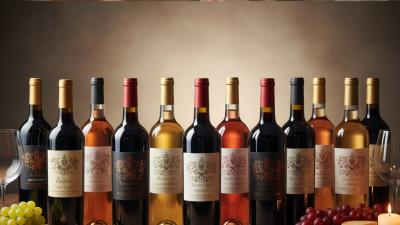

Choosing the right wine bottle is a practical branding decision, not merely a design exercise. The bottle introduces your product before customers taste it. Its shape, color, weight, and closure can suggest tradition, freshness, luxury, or approachability. However, a striking design may fail if it increases shipping damage or limits label space.
The relationship between bottle and wine should feel intentional. In my experience, a tall, clear bottle can support a fresh white wine, while darker glass may protect sensitive products from light. A heavier bottle can create a premium impression, but it also raises transport costs and environmental concerns. These details deserve careful review. Sometimes, the most beautiful option is not the most responsible one.
A reliable selection process begins with the wine itself, your target customer, and your distribution conditions. Consider bottle capacity, glass strength, neck dimensions, closure compatibility, label adhesion, and pallet performance. Ask suppliers for technical specifications and physical samples. Test the bottle through filling, sealing, chilling, handling, and delivery. Small problems often appear late. That can be expensive.
Brand owners should also compare recyclable materials, regional production, and supplier quality records. Experienced packaging teams can help evaluate these choices with measurable evidence. Still, expert advice should support your judgment, not replace it. The final bottle must protect the wine, communicate your identity, and work consistently across real markets. A thoughtful choice may look simple. It rarely is.
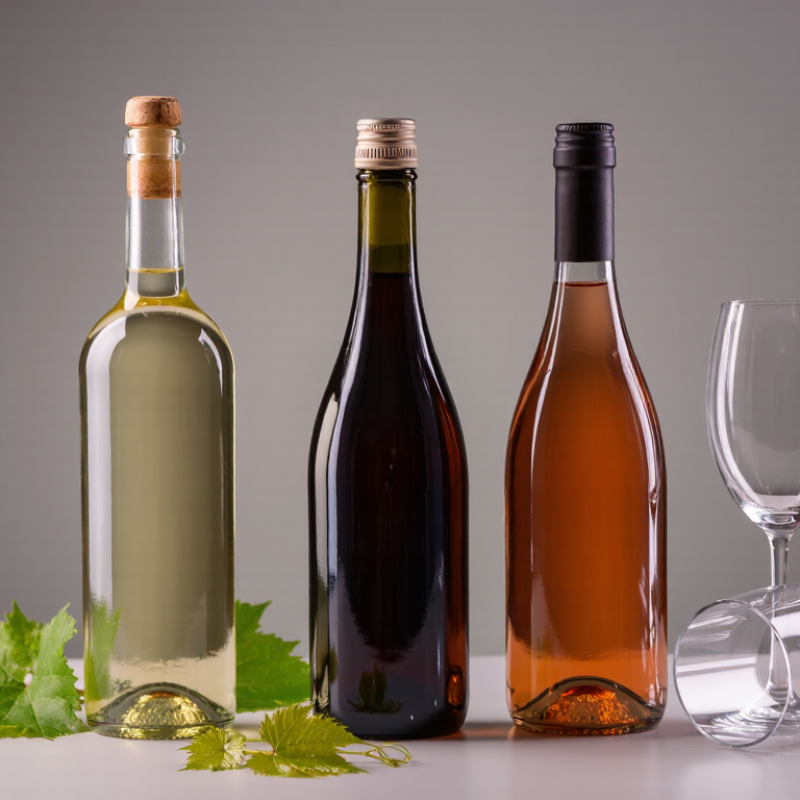
A bottle should make your market clear before the first pour. Start with identity, not glass weight. Is the wine quiet and traditional, bright and youthful, or precise and premium? Record three adjectives, then test them against your label, closure, color, and shelf setting. A heavy dark bottle may signal seriousness. It may also raise shipping costs and feel excessive for a light, everyday wine.
Market data should challenge instinct. The International Organisation of Vine and Wine reported global wine consumption at 214.2 million hectolitres in 2023, down 2.6% from 2022. This contraction makes audience definition more important. Specify drinking occasion, price range, purchase channel, and preferred format. The IWSR’s 2024 no-and-low alcohol report forecasts about 7% annual volume growth from 2023 to 2027. If moderation matters to your audience, consider a lighter bottle and clear front-label communication.
Make the choice physical. Place three empty bottles beside competing products in a real retail environment. Check grip, shelf height, neck finish, and carton fit. Ask buyers what they notice first. Their answers may unsettle your assumptions. They should. A beautiful bottle can lose its meaning when it arrives damaged or feels awkward at dinner. Record breakage, freight, and repeat-purchase feedback after a small launch. Your first selection is a hypothesis, not proof.
Your bottle shape should make the wine’s character visible before the cork is removed.
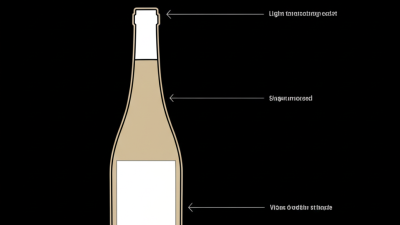
A tall, slender bottle often suggests freshness, lifted aromas, and lighter texture. It also fits narrow shelves and creates a clean, modern silhouette. For fuller reds, a broader body can communicate weight and provide stable handling. The visual signal matters. Yet shape alone cannot prove quality. I have seen elegant bottles weaken a strong product story when their proportions felt forced.
Think about the wine’s practical needs, not only its appearance. A wide shoulder may suit a bold red, but it can increase storage space and shipping weight. A narrow profile may feel refined, though it can look underpowered beside a richly textured wine. Check the bottle in hand. Its balance should feel secure, with enough glass protection for normal transport. Ask whether the neck, closure, and pour angle support a smooth serving experience. These details are easy to overlook during a design meeting.
Use tasting notes and customer habits to guide the final choice. A crisp wine served at outdoor events may benefit from a lighter, easy-grip form. A cellar-focused wine may deserve a more substantial bottle, but excess weight is not automatically premium. Measure shelf height, case dimensions, and label area before approving a sample. Test several filled bottles under real lighting. The first mock-up may look impressive and still feel wrong. That feedback is useful. A packaging specialist can check production limits before the shape becomes expensive to change. Adjust the shoulder, base, or neck until the bottle supports both story and use.
Choosing the right wine bottle starts with glass color, weight, and closure compatibility. Dark green or amber glass can reduce light exposure, which matters for delicate aromas and pale wines. Clear glass creates shelf appeal, but it offers less protection. A practical test is simple: place filled samples under retail lighting for several weeks, then compare aroma and color. It is not perfect, but real exposure reveals weaknesses better than assumptions.
Weight affects shipping, handling, and emissions. The International Organisation of Vine and Wine reported global wine consumption at approximately 221 million hectolitres in 2023, showing the scale of packaging decisions (OIV, State of the World Vine and Wine Sector, 2023). A heavier bottle may feel premium, yet it also increases transport weight. The Glass Packaging Institute identifies lightweighting as a key packaging efficiency strategy (GPI, Glass Packaging Sustainability Report). Do not judge quality by weight alone. That habit deserves reconsideration.
Tips: Match the bottle finish to the closure before approving artwork. Cork, synthetic closures, and screwcaps require different neck dimensions and sealing tolerances. Ask the glass supplier for finish drawings and run a pressure, leakage, and extraction trial. Check capsule fit too. A beautiful bottle can still fail during filling. Keep one filled sample for six months, including warm and cool storage. Record seepage, color change, closure movement, and opening quality. Small details matter.
| Bottle Option | Typical Glass Color | Typical Empty Weight for 750 mL |
Light Protection | Common Closure Compatibility | Recommended Wine Styles | Packaging Considerations | Selection Guidance |
|---|---|---|---|---|---|---|---|
| Flint / Clear | Colorless or nearly colorless | Approx. 350–550 g | Low; offers minimal UV and visible-light protection | Natural cork, synthetic cork, glass closure, and compatible screw-cap neck finishes | Rosé, white wine, sparkling wine, and wines where color visibility is important | Shows wine color clearly but makes sediment, fill variation, and label alignment more visible | Choose when visual presentation and product color are central to the package design |
| Light Green | Pale green to olive green | Approx. 380–600 g | Moderate protection compared with clear glass | Natural cork, synthetic cork, glass closure, and selected screw-cap neck finishes | Fresh white wines, rosé, and lighter-bodied red wines | Provides a traditional wine appearance while retaining some visibility of the contents | A balanced choice when appearance, moderate protection, and manageable shipping weight all matter |
| Antique Green | Deep green or forest green | Approx. 450–750 g | Good protection from light; exact performance depends on glass composition and thickness | Natural cork, synthetic cork, glass closure, and purpose-designed screw-cap neck finishes | Red wine, reserve styles, and wines intended for extended storage | Darker glass helps reduce light exposure but increases the importance of label contrast and inspection lighting | Select when traditional presentation and stronger light protection are priorities |
| Dead Leaf / Amber | Brown, amber, or dark tobacco | Approx. 450–750 g | Very good protection from short-wavelength light; actual protection varies by shade and glass thickness | Natural cork, synthetic cork, glass closure, and compatible screw-cap neck finishes | Light-sensitive wines, specialty wines, and products with a distinctive traditional appearance | Dark color can make the liquid difficult to inspect and may require stronger label and capsule contrast | Use when light protection is more important than showing the wine’s color |
| Lightweight Standard Bottle | Available in clear, green, or other standard colors | Approx. 300–450 g | Determined mainly by glass color and wall thickness, not weight alone | Cork or screw cap only when the neck finish, sealing system, and production line are correctly matched | High-volume wines designed for earlier consumption | Reduces material use and freight weight, but requires drop, pressure, and transit testing | Consider for efficiency-focused packaging after confirming mechanical performance |
| Heavyweight Bottle | Usually deep green, antique green, or clear | Approx. 650–1,000+ g | May improve protection when additional glass thickness is combined with a dark color | Cork, glass closure, and compatible screw-cap systems; closure must match the specified neck finish | Premium-positioned wines, sparkling wine, and products requiring a substantial hand feel | Creates a heavier premium impression but increases shipping weight, handling effort, and transport emissions | Choose only when functional requirements or positioning justify the additional material |
| Sparkling-Wine Bottle | Usually green, antique green, or clear | Approx. 800–950 g | Depends on glass color; dark green provides greater light protection than clear glass | Crown cap for production and secondary closure systems, cork-shaped sparkling closure, wirehood, and foil | Carbonated wine and other bottle-fermented or pressure-containing products | Must be designed and tested for internal pressure; standard still-wine bottles are not interchangeable with pressure-rated bottles | Use a pressure-rated bottle and validate the complete closure, wirehood, filling, and storage system |
How to Choose the Right Wine Bottle for Your Brand?
A wine bottle should protect the liquid, communicate quality, and control production costs. Start with the bottle’s weight, diameter, and glass color. Heavy glass can feel premium, but it increases material use and transport emissions. A lighter bottle may reduce shipping costs, yet it must pass pressure, impact, and filling-line tests. Design should serve performance, not vanity.
Ask suppliers for verified specifications and recent test data. Check neck dimensions, closure compatibility, pallet capacity, and breakage rates. A small shape change can require new molds or slower production speeds. That cost is easy to miss. It should not be.
Sustainability needs measurable choices. Recycled glass can reduce virgin material demand, but availability and color consistency may vary by region. Local sourcing may shorten transport distances, although local supply is not always the lowest-impact option. Request lifecycle information, not broad environmental promises. Compare bottle weight, recycled content, manufacturing energy, shipping distance, and end-of-life recovery. A simple spreadsheet can expose expensive assumptions. It can also expose your own bias. The most elegant bottle may fail your sustainability target, while a modest design performs better across the full supply chain. Test samples under real warehouse conditions, including vibration, temperature changes, and repeated handling. Packaging decisions become more reliable when appearance, cost, and environmental data are reviewed together.
How to Choose the Right Wine Bottle for Your Brand?
Confirm Legal, Shipping, and Retail Requirements Before Selection
Before comparing glass shapes, confirm the rules in every market you plan to enter. Label regulations may define required information, text size, alcohol declarations, volume markings, and placement. Bottle capacity must match approved measurements. Closure systems may also require specific testing or documentation. Ask a qualified compliance adviser to review the design before ordering samples. Keep written records.
Shipping changes the decision. A narrow, tall bottle can look elegant but may waste carton space or tip during transport. Request packaging tests that simulate vibration, drops, temperature changes, and pallet stacking. Check the bottle’s weight, neck finish, and closure fit with your filling equipment. Small differences can create costly line delays. This step is often underestimated.
Retail requirements deserve equal attention. Measure shelf height, case dimensions, barcode placement, and display stability. Some retailers may require recyclable materials, standard case counts, or specific delivery conditions. Confirm these details before approving a mold. A bottle can pass visual review yet fail a warehouse scan. That is an expensive lesson. When requirements conflict, document the trade-off and reassess the design with production, logistics, and sales teams. Perfect choices are rare; clearly recorded compromises are safer.