How to Create Your Own Spirits in a Bottle for Home Enjoyment?
Creating your own spirits in a bottle can be both exciting and rewarding. Imagine the satisfaction of crafting your unique flavor. It’s not just about mixing ingredients; it’s about expressing yourself.
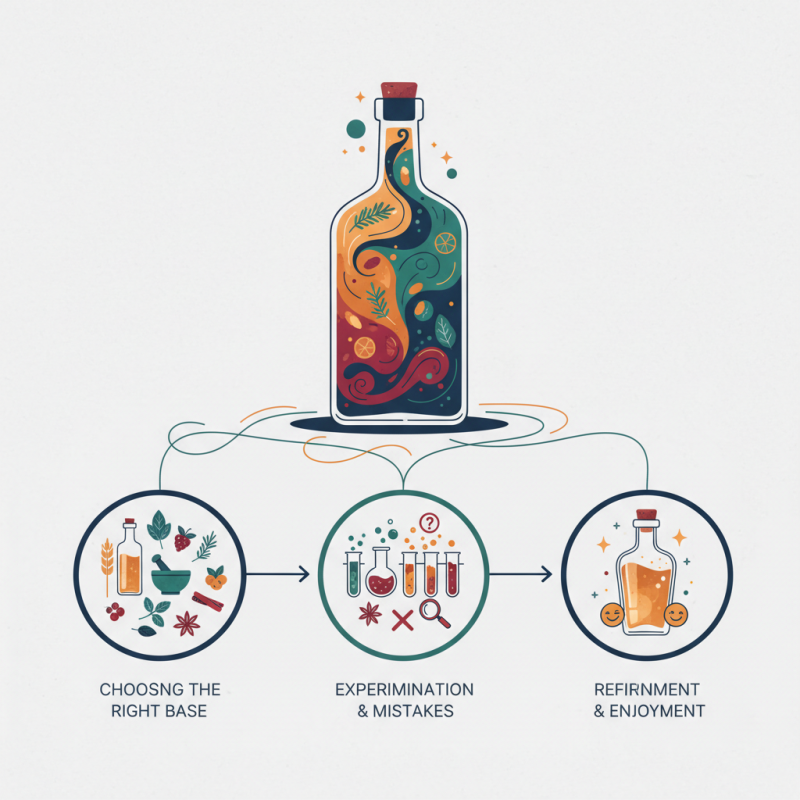
As you embark on this journey, pay close attention to details. Choosing the right base is essential. Consider your favorite flavors as you blend. You might mix fruits, herbs, and spices. Each choice influences the final taste. Mistakes are common, but they often lead to unexpected discoveries.
Experimentation is key. Some batches may not turn out as planned. Embrace those failures; they teach valuable lessons. With patience, you’ll refine your craft and create spirits in a bottle that you can truly enjoy.
Understanding the Basics of Spirit Creation at Home
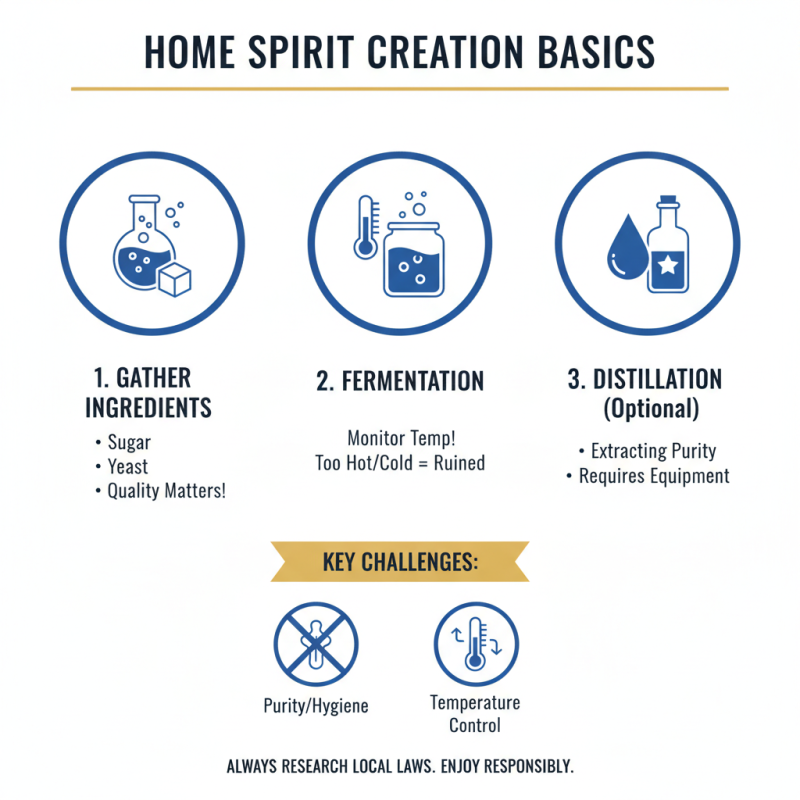
Creating your own spirits at home can be both exciting and challenging. Understanding the basics is crucial. Start by gathering your ingredients which include sugar, water, and yeast. The quality of your ingredients will affect the final product. Fermentation is the next step. Keep an eye on the temperature. Too hot or too cold can ruin the process.
Once fermentation is complete, you’ll need to distill the mixture. This requires careful handling. A basic still can be made from kitchen tools. However, mistakes can happen. A rushed process might lead to unwanted flavors. Make sure to taste as you go. Each batch can be different, reflecting your unique approach.
Aging is an important phase in spirit creation. This can transform your liquid significantly. But patience is key. Not allowing enough time means you might miss out on complex flavors. Keep a journal of your experiments. Document failures and successes. This will help refine your technique over time. Building your own spirits is about exploration and learning.
Choosing the Right Ingredients for Your Homemade Spirits
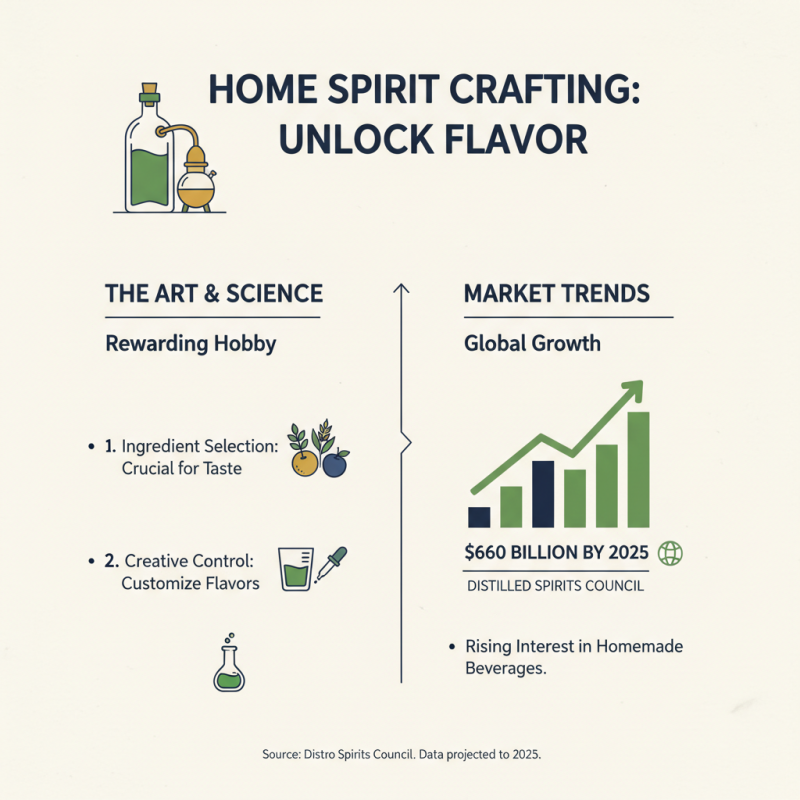
Creating your own spirits at home is a rewarding hobby. Selecting the right ingredients is crucial for achieving the desired taste. Research from the Distilled Spirits Council shows that the global spirits market continues to grow, projected to reach $660 billion by 2025. This surge reflects a rising interest in homemade beverages.
When choosing your ingredients, start with high-quality base materials. For grain-based spirits, barley, corn, and rye offer distinct flavors and aromas. Each grain contributes unique character to the final product. Some home distillers prefer to use local fruits for fruit-infused spirits. Think about using seasonal fruits. They often have more intense flavors. Always consider the balance between sweet and sour elements.
Water quality plays a vital role too. Experts recommend using purified water. Tap water can introduce unwanted minerals. Furthermore, the fermentation process requires patience and precision. Yeast selection impacts the final result significantly. Different strains of yeast impart different flavors. This experimentation can sometimes lead to unexpected outcomes. Be prepared for a learning curve, especially with small batches. Trial and error are part of the journey, and each batch can teach you something new.
Step-by-Step Guide to Infusing Flavors in Alcohol
Creating your own spirits can be a rewarding experience. Start with a base alcohol of your choice. Choose something neutral, like vodka, or go for something with more flavor. Each option has its own character.
Next, decide on the flavors you want to infuse. Fruits, herbs, and spices work well. Slice fresh fruits, crush herbs, or lightly toast spices. For example, cranberries and rosemary can create a unique winter spirit. Seal them in a jar with the alcohol.
Tips: Experiment with small batches at first. Not every combination will be a hit. Don’t be afraid to test different infusion times. A longer infusion might overpower subtle notes.
After a week, taste your infusion. If you like it, strain out the solids. If it’s too intense, mix it with more base alcohol. Allow it to breathe for a few days before the final taste test. Remember, your palate will evolve, so expect to make adjustments.
Bottling and Storing Your Homemade Spirits Properly
Bottling your homemade spirits is crucial for both flavor preservation and safety. Once distilled, spirits should be filtered and immediately transferred to clean glass bottles. Research shows that glass is non-reactive, ensuring purity over time. Aim for dark glass to protect against UV light, which can degrade quality. Many home enthusiasts overlook the importance of labeling. Always include the date of bottling and the type of spirit. This simple step helps track aging potential.
Storage conditions can greatly impact the final product. Spirits thrive in cool, dark places. Constant temperature fluctuations can alter taste. A recent study indicated that spirits stored at room temperature lose significant flavor compounds over time. Airtight seals are essential; they prevent oxidation. However, make sure not to overfill bottles. Leaving some space allows the spirit to breathe, enhancing its character.
Regularly check your home stash for any signs of cloudiness or sediment. These could indicate unwanted reactions. Some might ignore these signs, hoping to enjoy the beverage nonetheless. A little attention to detail ensures you savor every drop of your craft. Refinement is an ongoing journey; each bottle is a chance to learn and improve.
Ingredients and Alcohol Content in Homemade Spirits
Creative Ways to Enjoy and Serve Your Crafted Spirits
Crafting your own spirits at home can be a fun and fulfilling experience. Once you have made your unique batch, it’s time to think about how to enjoy and serve it.
Creating an inviting atmosphere is key. You might choose to light candles or play soft music to enhance the mood.
Small touches like fresh herbs or seasonal fruits can elevate your presentation.
Consider using interesting glassware. Mason jars or vintage bottles add character to your servings. Infusing spirits with flavors like citrus or herbal notes can make each glass a conversation starter.
Experiment with different garnishes, such as mint leaves or colorful fruit slices. Serving your drinks with a splash of soda or tonic can provide a refreshing twist.
Sharing your spirits with friends can lead to fun feedback and new ideas. True, not every experiment will be a success.
Some flavors may clash, or a blend might be too strong. Reflecting on these outcomes can help improve your craft. Documenting what you learn allows for better creations in the future.
Enjoy the process of making and serving your spirits, learning from each attempt along the way.