Top Global Wine Trends You Need to Know in 2023
As we step into 2023, the wine global scene is evolving rapidly. Consumer preferences are shifting toward sustainability and unique experiences. Wine enthusiasts now seek organic options and local varieties, reflecting a desire to connect with nature and their roots.
Regions once overlooked are gaining traction. Emerging markets introduce diverse flavors and innovative techniques. However, challenges remain, including climate change and supply chain issues. These factors require reflection and adaptation within the industry.
While trends like low-alcohol wines and bold blends capture attention, not every trend resonates universally. Some consumers exhibit weariness toward the overwhelming choices available. The wine global landscape invites exploration, but it also calls for mindfulness in choices. Navigating this dynamic environment demands awareness of personal tastes and the stories behind each bottle.
Current Wine Consumption Patterns in 2023
In 2023, wine consumption patterns are evolving rapidly. Consumers are increasingly looking for unique flavors and experiences. Regional wines are gaining popularity over mass-produced options. There is a growing interest in organic and biodynamic wines. These choices reflect a desire for sustainability and health-conscious living.
Younger generations are shifting the focus from traditional wine pairings. They enjoy experimenting with food and drink combinations. It’s common to see wine served in casual settings. People are hosting gatherings with diverse flavors and styles. However, this experimentation can sometimes lead to mismatched combinations. Not everyone appreciates the unique pairings.
Social media plays a significant role in shaping wine trends. Visual platforms showcase beautiful bottles and tasting experiences. Consumers are influenced by online reviews and recommendations. Yet, this reliance on social media can create unrealistic expectations. Tasting notes can be subjective, and what works for one person may not work for another. It’s crucial to remember that personal preference reigns supreme in this vibrant world of wine.
Emerging Wine Regions Gaining Popularity Worldwide
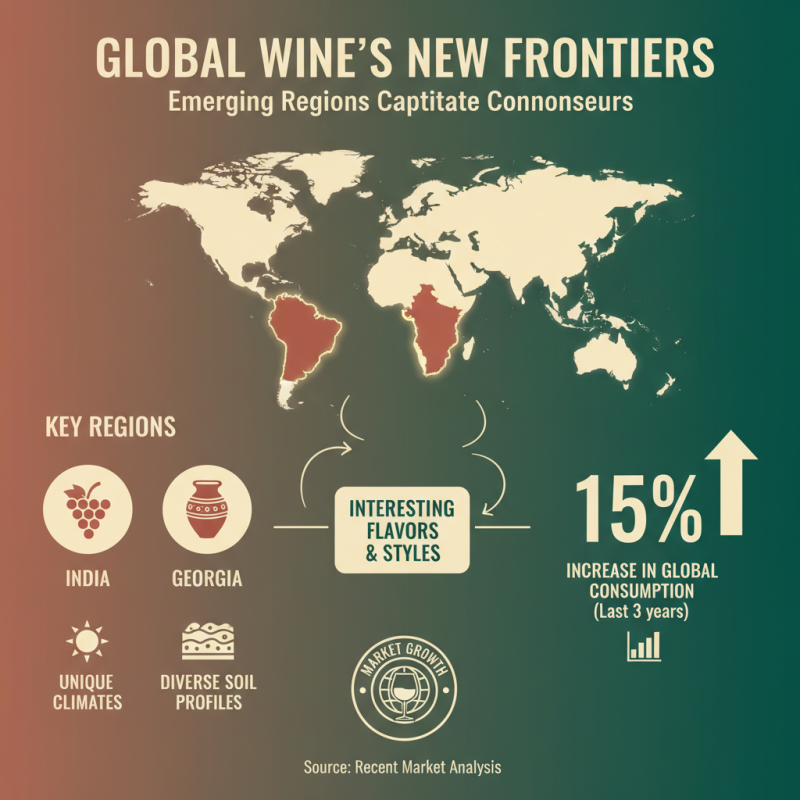
Emerging wine regions are capturing the world’s attention. Countries like India and Georgia are gaining traction. These regions boast unique climates and soil profiles. This diversity leads to interesting flavors and styles. According to recent market analysis, global wine consumption in these areas has increased by 15% in the past three years.
New varietals are also clouding our perceptions of traditional wine. Indian wines, cultivated in regions like Nashik, showcase high acidity and floral notes. Meanwhile, Georgian wines, famed for ancient winemaking techniques, offer rich tannins and earthy undertones. However, not every emerging region is a hit. Some wines may lack the finesse of their more established counterparts.
Tips: Explore local wine shops. Look for bottles from these up-and-coming regions. Ask staff for recommendations. Attending tastings might also help refine your palate. The rise of these wines shows how global tastes are evolving. Yet, it raises questions about quality versus hype. The journey through these emerging markets will be a compelling one.
Sustainable Practices and Organic Wines on the Rise
In 2023, sustainable practices dominate the wine industry. A recent report from IWSR states that organic wine sales grew by 17% in 2022. This indicates a shift in consumer preferences towards healthier options. People are more aware of the environment. They want wines made with fewer chemicals and sustainable farming practices.
Sustainability isn’t just about organic. It includes water conservation and biodiversity. Many vineyards adopt solar energy and reduce waste. However, challenges remain. Some producers struggle with the high costs of organic certification. The transition can also affect wine quality. This raises questions about balancing sustainability and premium offerings.
The global market reflects these trends. Industry analysis predicts that by 2025, organic wines could comprise 10% of total wine sales. Nonetheless, there is a need for better education. Consumers often lack knowledge about what organic means. Misunderstandings can lead to unmet expectations. A clearer definition could bridge this gap.
Impact of Technology on Wine Production and Marketing
Technology is reshaping the wine industry in profound ways. Automated processes now enhance vineyard management. Drones survey vineyards, providing real-time data on vine health. This technology helps winemakers make timely decisions. For example, precision viticulture is enhancing grape quality. According to recent industry reports, farms using tech see yield increases of up to 20%.
In marketing, digital platforms play a crucial role. Social media campaigns target specific demographics effectively. Data analytics helps wineries understand consumer preferences better. A survey indicated that 75% of wine buyers rely on online reviews before making purchases. This showcases the importance of a strong online presence. Engaging storytelling can capture the modern consumer’s attention.
Tips: Engage with your audience through interactive posts. Use polls to gather opinions on wine selections. Don’t overlook user-generated content; it builds authenticity. However, over-reliance on tech can stifle creativity in marketing. Balance is key. Experiment with innovative ideas while valuing traditional storytelling.
Top Global Wine Trends in 2023
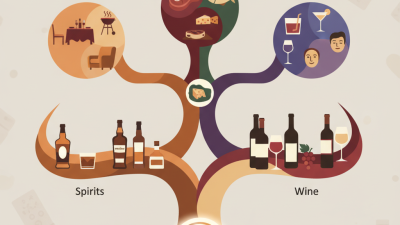
This chart illustrates the key trends in wine production and marketing driven by technology in 2023, including the adoption of sustainable practices, the rise of e-commerce, and the influence of data analytics on consumer preferences.
Trends in Wine Pairing and Unique Food Collaborations
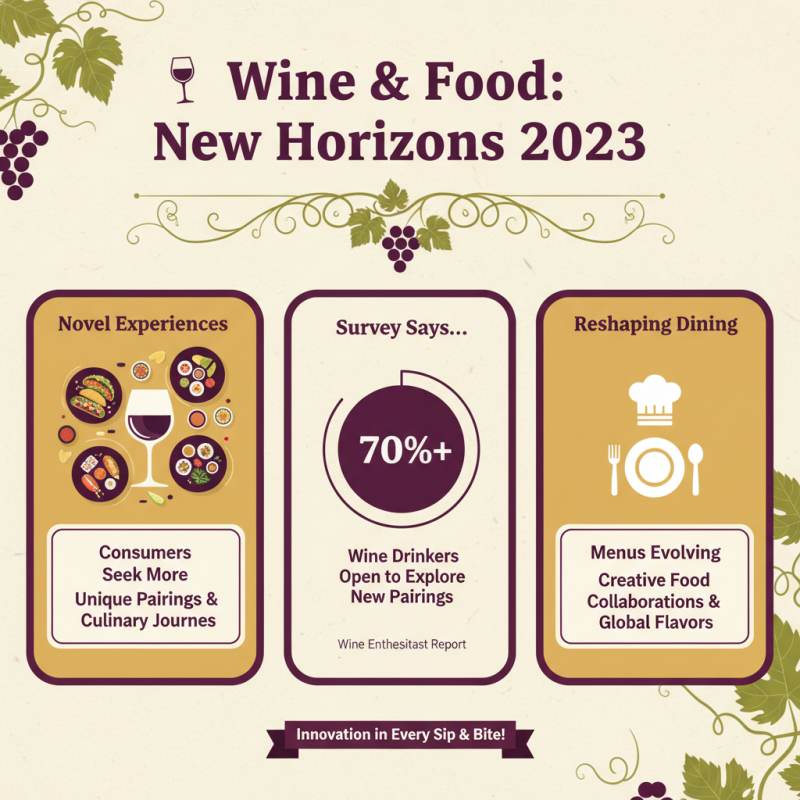
In 2023, the wine industry is witnessing exciting trends in pairing and unique food collaborations. More consumers are looking for novel experiences. A survey from Wine Enthusiast reported that over 70% of wine drinkers are willing to explore new pairings. This openness is reshaping menus and dining experiences.
One notable trend is the rise of unconventional pairings. Chefs are now experimenting with unexpected ingredients. For instance, wines are being paired with exotic spices and bold flavors. A recent study highlighted that dishes incorporating Asian cuisines, such as Thai or Korean, find harmony with certain wines. These pairings often challenge traditional norms. They encourage adventurous palates but also leave curious foodies pondering their choices.
Collaboration events are also gaining momentum, where wines meet gourmet foods. Many restaurants host events that showcase local wines alongside artisanal cheeses or charcuterie. Research indicates that these events attract a diverse audience, enhancing social dining experiences. However, some participants feel lost. They often struggle to understand how to choose the right combinations. As the landscape evolves, both diners and chefs must adapt. Embracing creativity in food and wine can lead to delightful discoveries.