2026 How to Choose the Best Wine in the Bottle for You?
Choosing the right wine in the bottle can be a daunting task. With countless varieties and intricate labels, it’s easy to feel overwhelmed. This wine selection process should be enjoyable and fulfilling. The complexity of flavors, aromas, and textures makes each bottle unique.
Consider your own taste preferences. Are you drawn to bold reds or crisp whites? Understanding your palate is essential. Reading reviews and ratings from experts can guide your choices. However, your personal experience matters just as much. Tasting events or local wine shops can provide insights that no expert opinion can replace.
Ultimately, selecting the best wine in the bottle involves a blend of knowledge and intuition. Be open to experimentation. Mistakes happen, and not every bottle will meet your expectations. Each purchase offers an opportunity for learning. Embrace the journey of discovering what truly resonates with you.
Understanding Wine Types: Red, White, Rosé, and Sparkling
Choosing the right wine can be overwhelming, given the vast variety available today. Understanding the main types of wine—red, white, rosé, and sparkling—simplifies the decision-making process. According to the International Organization of Vine and Wine, global wine production in 2021 was around 260 million hectoliters, indicating the enormous market and choices available.
Red wines are often bold and rich. They generally pair well with hearty dishes. Full-bodied reds like Cabernet Sauvignon have higher tannins, enhancing their complexity. On the other hand, white wines offer refreshing acidity. They complement lighter dishes and seafood perfectly. A report from the Wine Market Council states that consumers increasingly favor whites, emphasizing the trend towards crisp, easy-drinking options.
Here are some tips for choosing the right wine: always consider the meal’s flavors. Pairing can elevate both the food and the wine. Don’t shy away from trying a new type. Exploration is part of the experience. Keep in mind that preferences change over time. What you loved last year might not be your favorite today. Testing your palette can lead to surprising discoveries.
Key Factors to Consider When Selecting a Wine Bottle
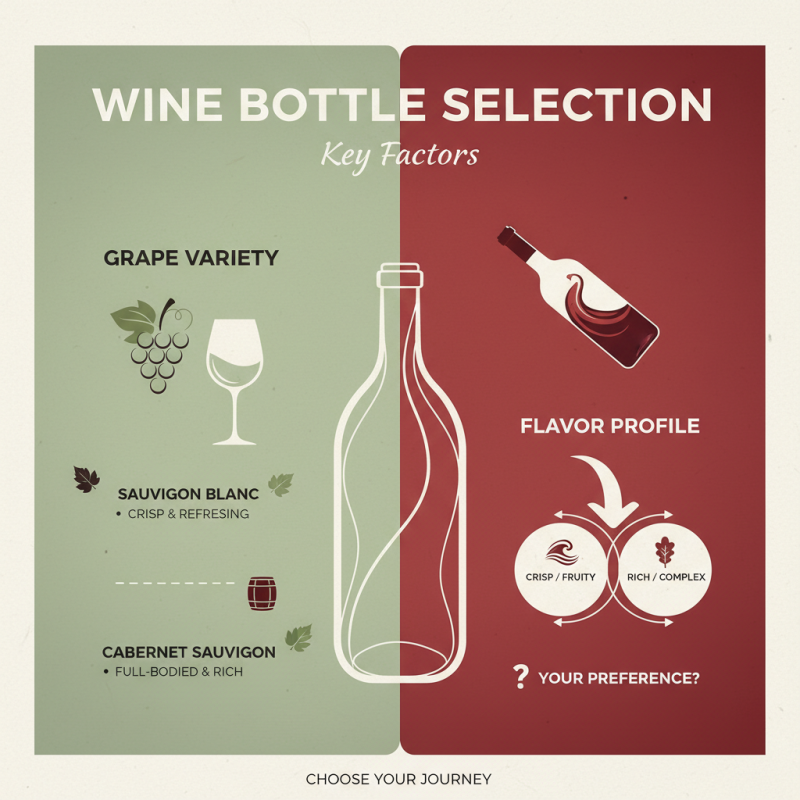
When selecting a wine bottle, several key factors come into play. First, consider the grape variety. Different grapes offer unique flavors. A Sauvignon Blanc is crisp and refreshing, but a Cabernet Sauvignon is full-bodied and rich. Understanding these profiles can guide your decision.
Next, examine the wine's region. Wines from cooler climates tend to have higher acidity. Those from warmer areas might be fruitier. Look for indications of the wine's origin on the label. This can give insight into its flavor and characteristics. Cultivating knowledge about regions can enhance your choices.
Price is another important aspect. More expensive wines don't always equal better quality. Reflect on what you enjoy and what you can afford. Sometimes, an affordable bottle surprises you with its taste and quality. Wine tasting is subjective, and preferences vary. Explore different options, and trust your palate.
Reading Wine Labels: What Information Matters Most?
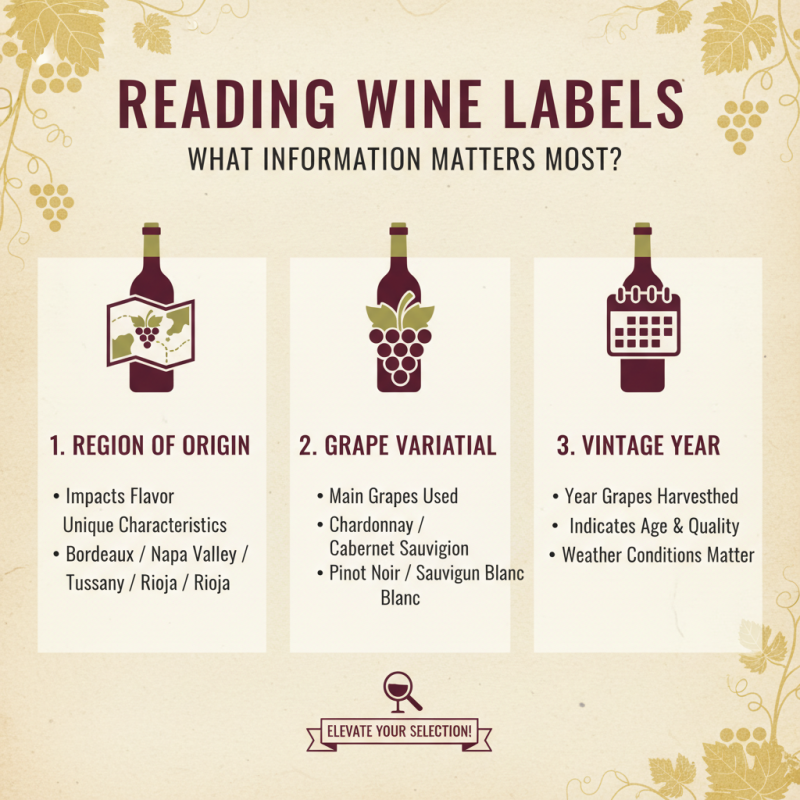
When choosing a wine, reading wine labels is essential. Understanding the label can elevate your selection process. Look for the wine's region of origin. This information impacts flavor profiles. Regions like Bordeaux or Napa Valley come with their unique characteristics. Knowing where the wine is from can guide your expectations.
Pay attention to grape variety. Different grapes yield different flavors. For instance, a Cabernet Sauvignon often has bold flavors. In contrast, a Pinot Noir may offer a lighter, more delicate taste. Consider the vintage as well. Older vintages might carry more complexity. However, they can also be less consistent.
Alcohol content is another vital detail. Wines typically range between 12% and 15% alcohol. Higher alcohol content can indicate a bolder flavor. But that might not be suitable for every palate. Lastly, reflect on your personal preferences. Sometimes, you might overlook a label that doesn’t suit your taste. Wine selection is a blend of knowledge and intuition.
Pairing Wine with Food: Enhancing Your Culinary Experience
Choosing the right wine to pair with food can elevate any meal. The idea is to enhance flavors. For example, a light seafood dish often calls for a crisp white wine. This balance allows both the food and wine to shine.
Consider your meal's dominant flavors. Rich, hearty meats pair well with bold reds. These wines often offer tannins that complement the dish’s richness. An aromatic dish may require something sweeter to harmonize its complexities.
Experimenting with pairings can lead to unexpected discoveries. Sometimes a pairing won't work out, leaving you pondering the reasons. It's all part of the journey. Don't shy away from trying new combinations. Distinct and untraditional pairings can lead to delightful surprises. Trust your palate and enjoy the exploration.
2026 How to Choose the Best Wine in the Bottle for You? - Pairing Wine with Food: Enhancing Your Culinary Experience
| Wine Type |
Flavor Profile |
Ideal Food Pairings |
Serving Temperature (°F) |
| Chardonnay |
Buttery, Oak, Tropical |
Grilled Chicken, Creamy Pasta, Lobster |
50-55 |
| Cabernet Sauvignon |
Bold, Blackcurrant, Spicy |
Red Meat, Dark Chocolate, Aged Cheese |
60-65 |
| Pinot Noir |
Fruity, Earthy, Light |
Duck, Salmon, Mushroom Dishes |
55-60 |
| Sauvignon Blanc |
Crisp, Citrus, Herbal |
Salads, Goat Cheese, Seafood |
45-50 |
| Zinfandel |
Jammy, Peppery, Bold |
BBQ Ribs, Spicy Sausages, Pizza |
60-65 |
Tips for Budget-Friendly Wine Selection Without Compromising Quality
Choosing the right wine can be a daunting task, especially when on a budget. According to the 2023 Wine Market Analysis, many consumers mistakenly believe that quality wine is always expensive. This misconception often leads to overspending on mediocre bottles. In reality, numerous affordable wines offer great taste without breaking the bank.
Here are some tips to select budget-friendly wines without sacrificing quality. First, consider opting for lesser-known wine regions. These areas often produce excellent wine at lower prices. For instance, wines from Portugal's Alentejo region or Spain's lesser-known vineyards can be surprisingly delightful. Next, look for wines made from popular grapes like Merlot or Chardonnay, which tend to be more affordable. Familiarizing yourself with these selections can greatly enhance your wine experience.
When in doubt, shop during seasonal sales or consider buying in bulk. The 2022 National Wine Consumer Impact Report indicates that purchasing multiple bottles often leads to significant savings. Be open to exploring wines from different varietals or blends. This exploration can lead to discovering new favorites and expanding your palate—one that doesn’t have to empty your wallet.
Wine Quality vs Price Distribution