2025 How to Choose the Perfect Bottle for Your Favorite Wine
Choosing the perfect bottle for your favorite wine is not merely a matter of aesthetics; it intertwines with the way we experience and appreciate wine itself. According to a comprehensive report by the International Organization of Vine and Wine (OIV), the wine consumption per capita has steadily increased over the past decade, highlighting a growing appreciation for this age-old beverage. As the wine market evolves, understanding the relationship between bottle design and wine quality becomes increasingly important. Expert sommelier, Johnathon Allen, emphasizes, "The bottle is not just a vessel; it plays a crucial role in preserving the integrity of the wine inside."
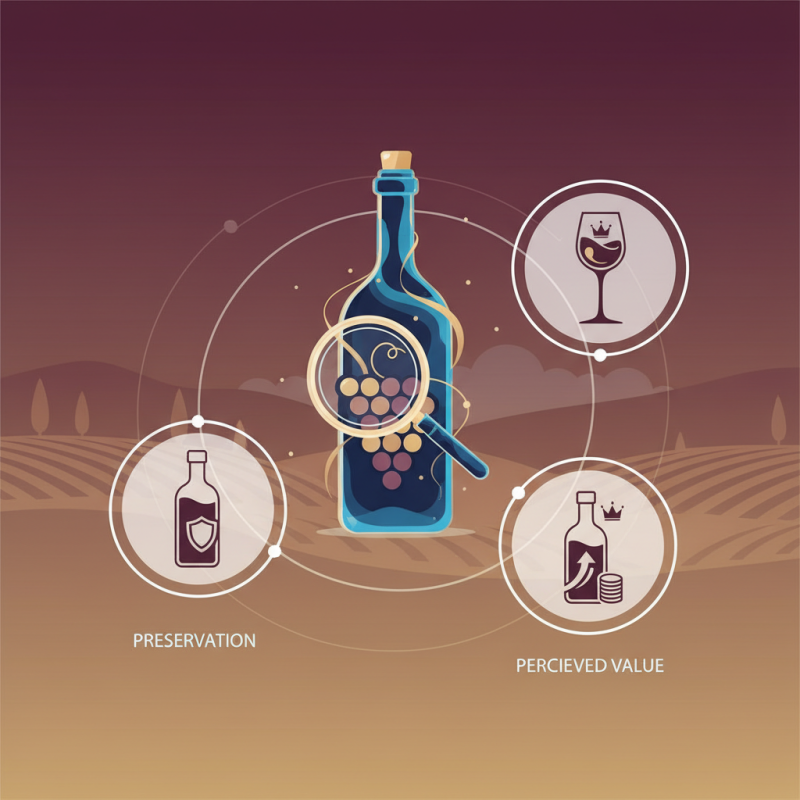
Moreover, the significance of the bottle in the wine industry cannot be understated. A report by Statista indicates that premium packaging, including bottle design, can enhance the perceived value of the wine by up to 30%. This notion aligns with the understanding that consumers are influenced not just by the wine itself but also by how it is presented. As we delve into the nuances of selecting the perfect bottle for your wine, consider that the harmony between bottle and wine can elevate your tasting experience, making it an integral part of wine appreciation.
Understanding Wine Bottle Types and Capacities
When it comes to selecting the right bottle for your favorite wine, understanding the various types and capacities of wine bottles is crucial. Wine bottles typically come in several standard sizes, with the most common being the 750ml bottle, which is perfect for most casual occasions. However, there are larger formats, like magnums (1.5 liters), which are not only visually impressive but also age wine better due to their larger volume. According to industry data, larger bottles often develop flavors more complex than their standard counterparts, making them ideal for collectors and special celebrations.
When considering bottle shapes, the most familiar type is the Bordeaux bottle, characterized by its straight sides and high shoulders. This design is favored for red wines and is believed to facilitate better aging. Alternatively, Burgundy bottles have a wider base and gently sloping shoulders, suitable for Pinot Noir and Chardonnay. A survey from Wine Spectator indicates that the choice of bottle shape can influence consumer perception, affecting everything from purchase decisions to tasting experiences.
Tips: When selecting a bottle, consider the wine's intended service occasion. For casual dinners, 750ml is typically sufficient, while larger bottles can enhance special events. Additionally, ensure that the wine’s bottle shape aligns with its varietal for optimal aging and presentation. Finally, always check for quality seals and cork condition to guarantee the best drinking experience.
2025 How to Choose the Perfect Bottle for Your Favorite Wine - Understanding Wine Bottle Types and Capacities
| Bottle Type |
Capacity (ml) |
Common Use |
Typical Wine Types |
| Standard Bordeaux |
750 |
Red and White Wines |
Cabernet Sauvignon, Merlot, Sauvignon Blanc |
| Burgundy |
750 |
Pinot Noir and Chardonnay |
Pinot Noir, Chardonnay |
| Champagne |
750 |
Sparkling Wines |
Champagne, Sparkling Wine |
| Magnum |
1500 |
Special Occasions |
Various Red and White Wines |
| Jeroboam |
3000 |
Large Gatherings |
Various Red and White Wines |
| Rehoboam |
4500 |
Festivals |
Champagne and Sparkling Wines |
The Importance of Bottle Shape and Design
When selecting the perfect bottle for your favorite wine, the shape and design play a critical role in not only the aesthetics but also the preservation and aging potential of the wine. Different bottle shapes have been traditionally associated with specific types of wine, impacting how they age and interact with their environment. For instance, a Bordeaux bottle, with its straight sides and high shoulders, is designed to hold red wines, allowing a smaller air surface area, which is essential for proper aging. This design limits oxidation, helping the wine to develop complex flavors over time.
Moreover, the design of a wine bottle affects its ability to protect the wine from light and temperature fluctuations. Dark green or amber glass bottles are typically used for reds and some whites, as they shield the wine from ultraviolet light, which can cause premature aging. Furthermore, the thickness of the glass can also contribute to insulation, maintaining stable temperatures. The type of closure used, whether it be cork or screw cap, is another aspect of the bottle design that impacts the wine’s longevity. A natural cork allows for some air exchange, while a screw cap provides a more airtight seal, catering to different wine styles and aging potentials. Therefore, understanding the importance of bottle shape and design not only enriches the wine drinking experience but also ensures proper storage and enjoyment of the wine’s unique characteristics.
Choosing the Right Closure: Cork vs. Screw Cap
When selecting the perfect bottle for your favorite wine, one critical factor to consider is the type of closure:
cork or screw cap. While traditional corks have been the long-standing choice for vintners,
recent studies show that screw caps are gaining popularity due to their practicality and performance.
According to a report by the Beverage Information Group, approximately 36% of table wines sold in the U.S.
are now sealed with a screw cap, highlighting a shift in consumer preferences towards convenience and consistency.
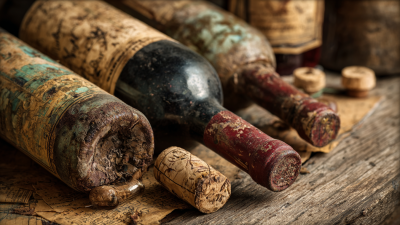
Cork closures are often associated with fine wines, but they come with potential downsides, such as cork taint,
which affects about 5-15% of bottles, causing unpleasant aromas and flavors.
On the other hand, screw caps provide a reliable seal that ensures the wine's integrity over time, reducing
the risk of oxidation and spoilage. A study published in the Journal of Wine Research indicated that wines
sealed with screw caps tend to maintain their freshness and fruit character longer than those with corks.
**Tip 1**: If you prefer wines that are meant to be consumed young or within a few years,
screw caps are likely a better option due to their airtight seal.
**Tip 2**: For collectors or those purchasing wines for aging, consider the winery’s reputation for quality
and their preferred closure type, as this can influence the wine’s development over time.
Choosing between cork and screw cap ultimately depends on your preferences and the wine's intended use.
Always take the style and characteristics of the wine into account to ensure you’re making an informed choice.
Selecting Glass Quality and Thickness for Preservation
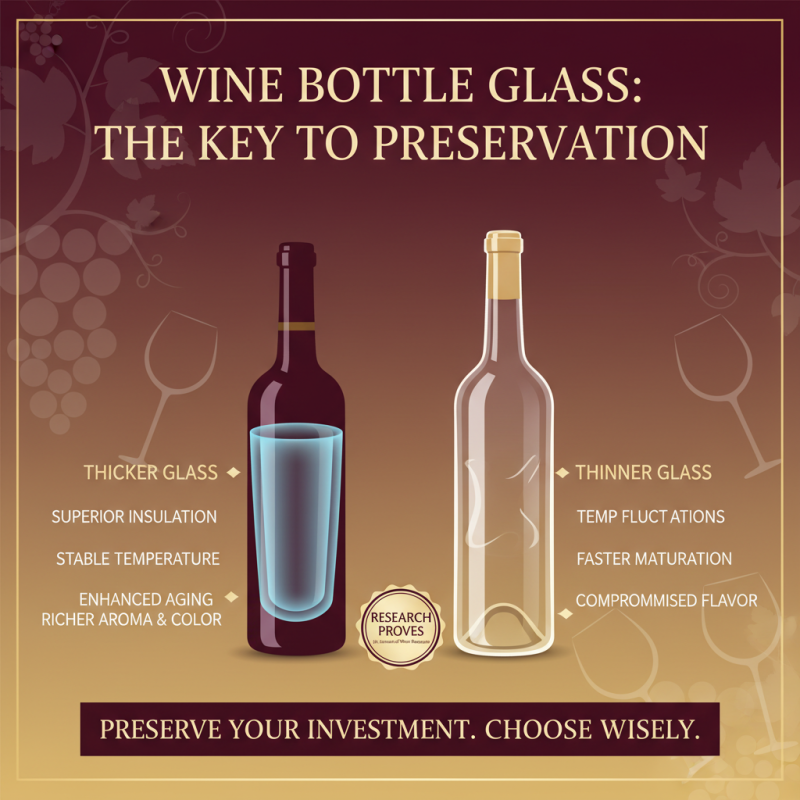
When selecting the perfect bottle for your favorite wine, the glass quality and thickness play a crucial role in preserving the wine's characteristics. Research from the International Journal of Wine Research indicates that glass thickness significantly affects wine maturation and preservation. Thicker glass bottles are generally more effective at insulating the wine from temperature fluctuations, which is critical in maintaining optimal aging conditions. This insulation not only preserves the wine's flavor profile but also stabilizes its color, allowing it to develop more complex aromas over time.
Moreover, the quality of the glass itself should not be overlooked. Studies show that higher-quality glass bottles minimize the risk of leaching, which can occur with inferior materials. Leaching can negatively impact the wine's taste, as volatile compounds in low-quality glass may interact unfavorably with the wine over prolonged storage periods. According to the Institute of Wine Technology, wines stored in premium glass bottles exhibit enhanced longevity and flavor integrity, making a compelling case for investing in quality when it comes to choosing bottles. Ultimately, prioritizing the right glass characteristics will not only enhance your immediate drinking experience but also contribute to the long-term enjoyment of your cherished wines.
Labels and Packaging: Aesthetic and Informative Considerations
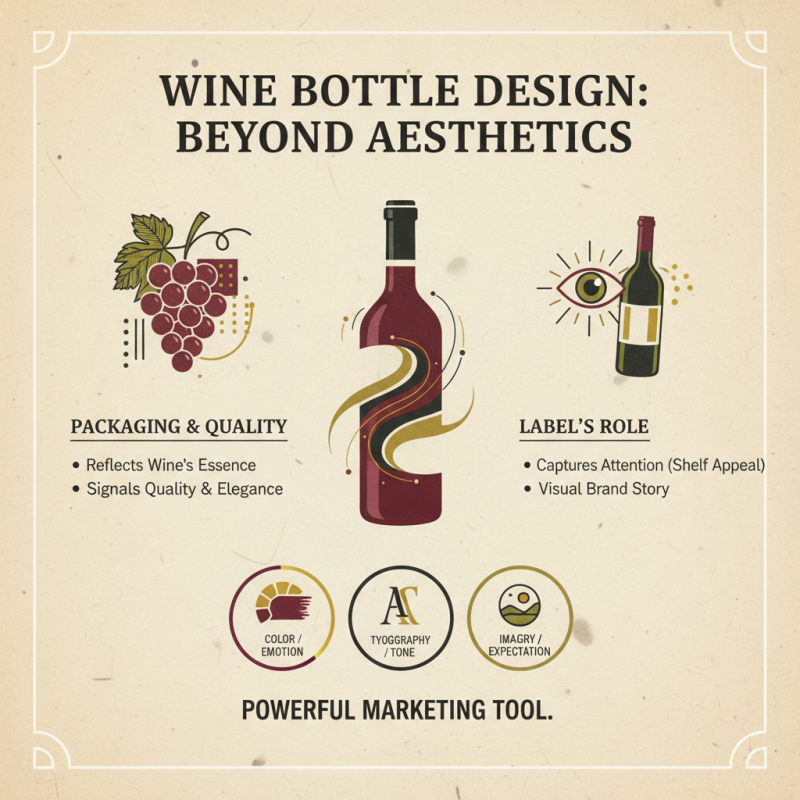
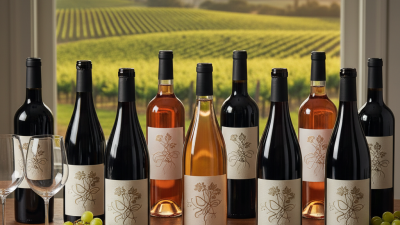
When selecting the perfect bottle for your favorite wine, the packaging and label play a crucial role beyond their aesthetic appeal. The design of a bottle can reflect the essence of the wine within, signaling not just elegance and sophistication but also the quality of the contents. A well-designed label can capture attention on a crowded shelf and serve as a visual representation of the winemaker's brand and philosophy. Elements such as color, typography, and imagery can evoke emotions and set expectations for the consumer, making the label a powerful marketing tool.
Moreover, labels serve an essential informative function. They provide crucial details about the wine, such as the varietal, region, alcohol content, and tasting notes, allowing consumers to make informed choices. Transparency about ingredients and production methods is also becoming increasingly important, as more wine drinkers seek sustainable and organic options. The incorporation of storytelling in the label design can engage customers further, as they connect with the heritage and traditions behind the wine. By considering both the aesthetic and informative aspects of wine packaging, consumers can enhance their buying experience and foster a deeper appreciation for the wines they love.