Top Tips for Choosing Wine in Paper Bottles
As the beverage industry evolves, wine in paper bottles is rapidly gaining popularity. Recent research from the Wine Institute reveals that sustainable packaging solutions are becoming essential. The U.S. wine market, valued at $70 billion, is seeing a shift towards eco-friendly options. Consumers are increasingly concerned about environmental impact, pushing brands to innovate.
Wine in paper bottles offers an appealing alternative to traditional glass. They are lighter, reducing transportation emissions and making them easier to handle. However, some challenges come with this new packaging. For instance, maintaining wine quality and taste is crucial. Studies show that not all wines fare well in non-traditional containers.
While the potential is significant, it’s important to approach this trend critically. Not every paper bottle is created equal. Quality control and branding are essential for success in this segment. As you consider wine in paper bottles, weigh the benefits against possible drawbacks carefully. The journey into this innovative packaging is just beginning, and thoughtful choices matter.
Understanding the Environmental Benefits of Paper Bottles for Wine
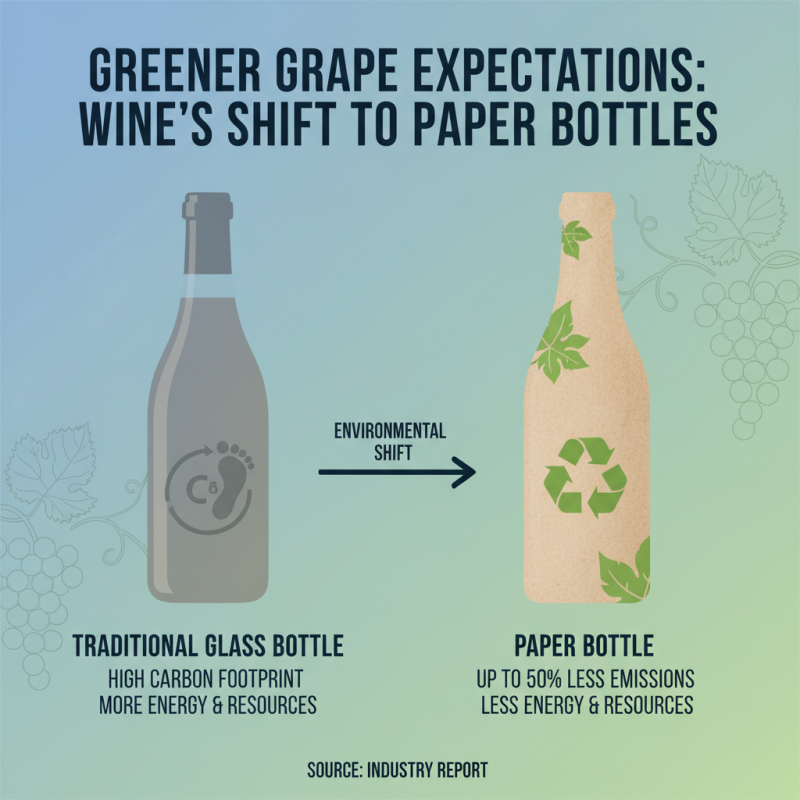
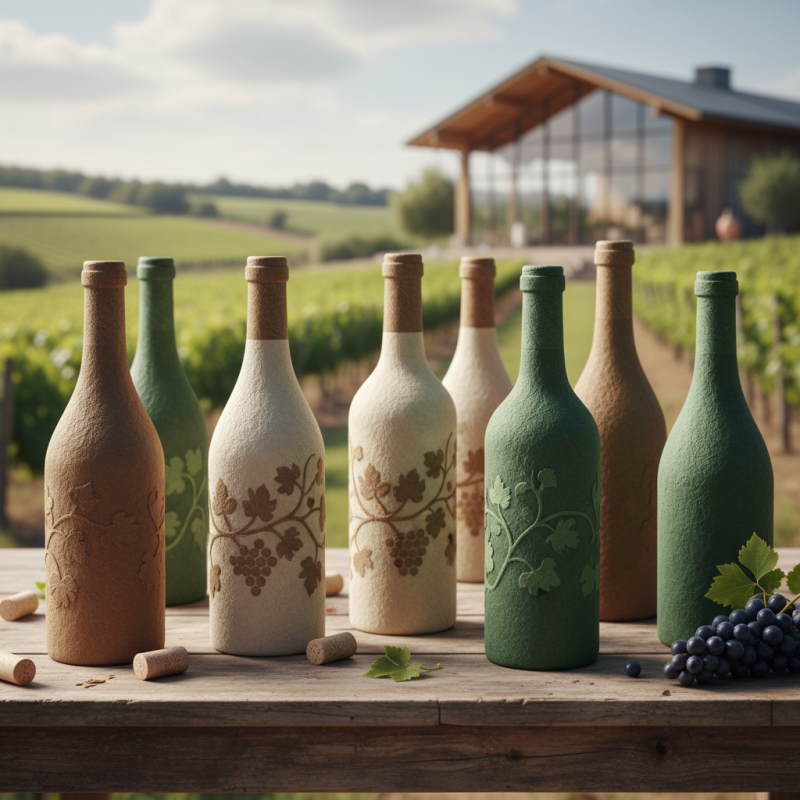
The shift towards paper bottles in the wine industry reflects a growing concern for environmental sustainability. Traditional glass bottles have a high carbon footprint, contributing significantly to greenhouse gas emissions. In contrast, paper bottles are estimated to reduce emissions by up to 50%. A recent report highlighted that producing a paper bottle requires less energy and resources than its glass counterpart.
Additionally, paper bottles are lighter, making them easier to transport. This reduced weight can lead to lower shipping costs and reduced fuel consumption. Research indicates that the entire lifecycle of a paper bottle can produce 20% less waste compared to traditional packaging. However, questions remain regarding the durability and preservation of wine quality in these innovative containers.
While paper bottles present an exciting opportunity for sustainability, they still face challenges. The industry is exploring ways to improve the barrier properties of paper to ensure wine remains fresh. Some experts argue the need for more testing and consumer education before mass adoption. Overall, the focus on sustainable packaging is promising, yet it requires careful consideration and ongoing innovation.
Key Factors in Wine Quality: Tasting Notes and Aroma Preservation
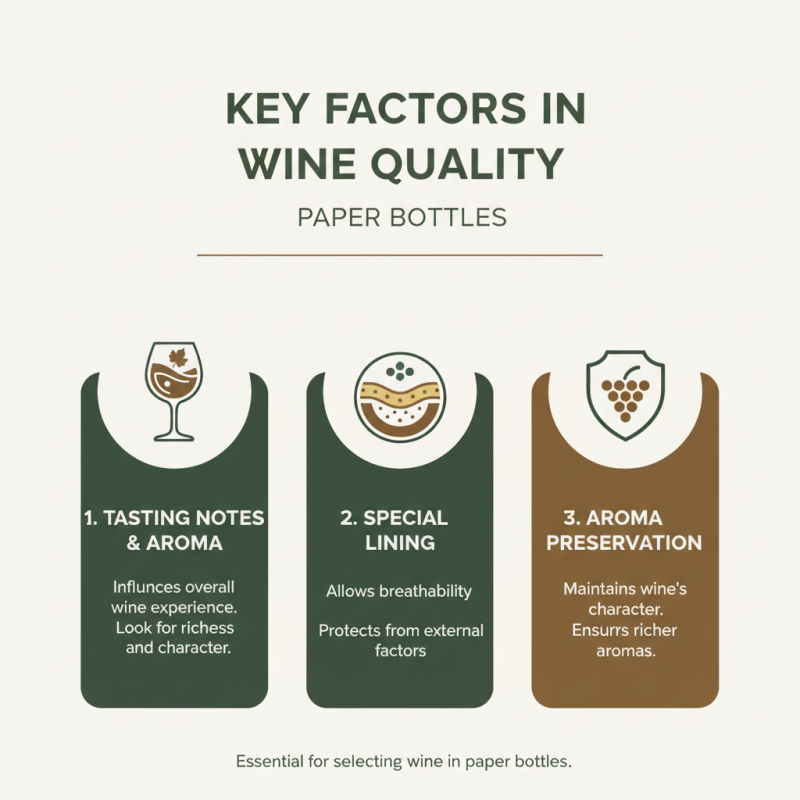
When selecting wine in paper bottles, understanding its tasting notes and aroma preservation is essential. The aroma influences your overall experience. Paper bottles often use a special lining that allows breathability while protecting the wine from external factors. This unique feature helps maintain the character of the wine, ensuring richer aromas.
Consider the wine’s color and clarity when inspecting the bottle. These visual cues can indicate the wine's age and quality. A vibrant color often hints at freshness, while a dull appearance might suggest oxidation. Tasting notes reveal more. Look for descriptions of fruit, floral, or earthy tones that resonate with your preferences.
On occasion, you may find wine that looks appealing but tastes flat or unbalanced. This variability can stem from different storage conditions. Reflect on how that affects your enjoyment. Trust your palate and seek wines that surprise you positively. Each choice broadens your understanding of wine, making every sip a unique adventure.
Comparing Wine Shelf Life: Paper Bottles Versus Traditional Glass Bottles
The shelf life of wine in paper bottles is an intriguing topic. Research indicates that paper bottles can offer a comparable lifespan to traditional glass bottles. A report by the Wine and Spirits Wholesalers of America states that paper bottles can maintain wine quality for up to three years, similar to glass. However, the protection against oxygen varies significantly between the two materials.
Glass bottles are often preferred due to their low permeability, which helps preserve the wine's integrity. Over time, exposure to oxygen can alter a wine’s taste. Recent studies show oxidative changes can begin within a few months for paper, potentially affecting flavor profiles. Meanwhile, glass allows for longer aging, emphasizing its benefits for premium wines.
There’s ongoing debate about the ecological impact of both packaging types. While paper bottles are more easily recyclable, their performance raises questions. Producers must balance sustainability with quality and shelf life. Each choice presents its own trade-offs, suggesting that consumers should remain informed about their wine's container and potential longevity.
Top Tips for Choosing Wine in Paper Bottles - Comparing Wine Shelf Life: Paper Bottles Versus Traditional Glass Bottles
| Wine Type |
Bottle Type |
Shelf Life (Years) |
Oxygen Permeability |
Environmental Impact |
| Red Wine |
Paper Bottle |
1-2 |
Moderate |
Lower |
| Red Wine |
Glass Bottle |
5-10 |
Low |
Higher |
| White Wine |
Paper Bottle |
1-2 |
Moderate |
Lower |
| White Wine |
Glass Bottle |
3-5 |
Low |
Higher |
| Sparkling Wine |
Paper Bottle |
1 |
High |
Lower |
| Sparkling Wine |
Glass Bottle |
2-3 |
Low |
Higher |
Navigating Wine Labels: Understanding Paper Bottle Print Technology
When exploring wine in paper bottles, understanding the print technology on labels is crucial. This innovation helps convey important information effectively. A well-designed label not only attracts attention but also provides vital details about the wine's origin, grape variety, and tasting notes. Look for clear, legible typography and engaging color schemes that reflect the wine’s character. A visually appealing label can enhance your overall experience.
The quality of materials used in these labels also matters. Some companies utilize water-resistant inks and eco-friendly papers, making them durable and environmentally friendly. However, not all labels are created equal. Some may fade or smudge over time. It’s essential to choose bottles with high-quality prints that stand the test of time. Check for clarity and precision in images and text; this can indicate the wine's overall quality.
It’s important to approach paper bottle wines with a discerning eye. Sometimes, the label can be misleading. Don't be swayed by flashy designs. Instead, focus on the information provided. Consider the vintage year and producer details. If it’s hard to find or read, that could be a red flag. Engaging with knowledgeable staff or wine experts can enhance your selection process, providing insights into lesser-known labels.
Evaluating Consumer Preferences: The Rise of Sustainable Packaging in Wine
The trend of sustainable packaging is transforming the wine industry. More consumers are opting for paper bottles, recognizing their environmental benefits. Unlike traditional glass bottles, paper packaging is lightweight and recyclable, reducing carbon footprints. This appeals to eco-conscious wine drinkers seeking to make responsible choices.
Evaluating consumer preferences reveals a growing enthusiasm for innovation. Many people are curious about the taste and quality of wines in paper bottles. However, some remain skeptical about their durability and storage. This hesitation highlights the need for more education on the benefits of sustainable packaging.
Tasting wines from paper bottles can be an eye-opening experience. Consumers may find delightful and unexpected flavors. Yet, others might notice subtle differences in taste perception. These conversations encourage ongoing dialogue about sustainability in the wine market. By exploring these options, wine lovers can contribute to a greener future.