Top 10 Benefits of Airless Bottle Packaging You Need to Know?
In recent years, Airless Bottle Packaging has become increasingly popular in various industries, particularly in cosmetics and pharmaceuticals. According to a report by Grand View Research, the global airless packaging market is projected to reach $7.09 billion by 2025, highlighting a significant shift towards this innovative solution. Airless packaging works by minimizing product exposure to air, which preserves the integrity of the formulation, ultimately extending shelf life and reducing wastage.
One of the standout benefits of Airless Bottle Packaging is its ability to maintain product efficacy. A study published in the Journal of Cosmetic Science emphasizes that exposure to air can degrade sensitive ingredients, including vitamins and antioxidants. This degradation leads to reduced effectiveness and, consequently, customer dissatisfaction. Additionally, this type of packaging allows for precise dispensing, which reduces overuse and promotes sustainable practices—an essential consideration as consumers become more eco-conscious.
Despite its advantages, some manufacturing challenges exist. Production costs can be higher than traditional packaging methods. Brands must weigh these factors against long-term customer benefits. While Airless Bottle Packaging excels in protecting formulations, companies must continually innovate to improve ease of use and convenience for consumers. As the industry evolves, understanding these dynamics becomes crucial for both manufacturers and consumers alike.
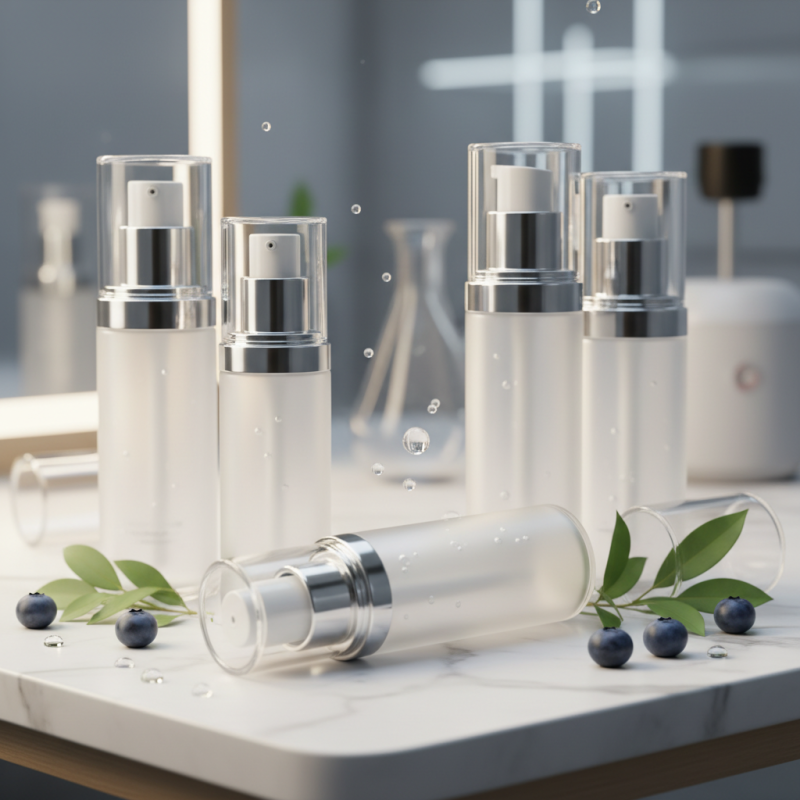
Understanding Airless Bottle Packaging and Its Mechanism
Airless bottle packaging has gained popularity due to its innovative mechanism. These bottles use a vacuum technology that prevents air from entering. This design protects the integrity of the product inside. As a result, it keeps cosmetics and skincare items fresher for longer. According to a report by the Packaging Machinery Manufacturers Institute, airless packaging can extend a product’s shelf life by up to 15%.
The mechanism works through a simple yet effective system. When the pump is pressed, the vacuum mechanism pushes the product out without exposing it to air. This reduces the risk of oxidation and contamination. The absence of preservatives is another significant advantage. A study from the Journal of Pharmaceutical Sciences indicates that airless packaging can reduce the need for certain preservatives by 30%. However, the initial production costs may be higher than traditional packaging. Brands need to weigh these factors carefully.
Not all airless bottles are created equal. Some may struggle with dispensing issues or difficulty in emptying completely. Consumers have noted that what's advertised sometimes doesn’t match actual performance. A report from the European Packaging Forum highlighted that 20% of customers encountered problems with airless packaging. This calls for ongoing improvements in design and user experience. Manufacturers should prioritize feedback to create better solutions.
Top 10 Benefits of Airless Bottle Packaging
Enhanced Product Shelf Life with Airless Technology
Airless bottle technology is transforming the world of packaging. One of its most significant advantages is enhancing product shelf life. Traditional packaging often exposes products to air, leading to oxidation and degradation. This exposure can compromise active ingredients in formulas, especially those sensitive to light and air. With airless bottles, products stay contained, minimizing these risks and ensuring longer-lasting efficacy.
The technology involves a unique dispensing mechanism that prevents air from entering. This design allows consumers to use every last drop without worrying about contamination. Customers appreciate seeing their product stay fresh for longer periods. Furthermore, airless bottles often reduce the need for preservatives, which can irritate sensitive skin.
However, not all airless designs guarantee perfect performance. Some may require user adjustments to function effectively. There may also be a learning curve for consumers unfamiliar with this packaging type. Despite these potential imperfections, the benefits of airless technology in preserving product integrity are clear, making it a valuable choice in modern product development.
Protection Against Contamination and Oxidation
Airless bottle packaging offers significant advantages in protecting products from contamination and oxidation. These bottles use a unique mechanism that minimizes exposure to air. By creating a vacuum seal, they limit the product's interaction with oxygen. This is crucial, especially for sensitive formulations like skincare and cosmetics. Studies show that up to 70% of products lose effectiveness due to oxidation over time.
The design of airless bottles also reduces contamination risks. Traditional packaging often requires users to open and close the container, introducing bacteria. Airless bottles allow for dispensing without direct contact. A report from the Packaging Association states that 75% of brands experience reduced product spoilage by adopting this technology. Users benefit from a cleaner experience and greater product longevity.
Despite these advantages, manufacturers face challenges in the production of airless bottles. The complexity of their design can lead to increased costs. Additionally, not all formulations are compatible with airless technology. Brands must carefully assess their products to ensure optimal performance. This reflection on design and formulation compatibility is essential for successful implementation. Effective use of airless technology not only safeguards products but also enhances consumer trust and satisfaction.
User-Friendly Design: Convenience and Precision in Dispensing
Airless bottle packaging has become increasingly popular due to its user-friendly design. This type of packaging allows for convenient and precise dispensing. Users can easily control the amount of product dispensed with minimal effort. The nozzle design often ensures that only what is needed is released, reducing waste.
Another compelling aspect is the protective benefits airless bottles provide. They prevent exposure to air and contamination, preserving product integrity. Many users appreciate how this design extends the shelf life of creams and serums. However, there can be a learning curve when using these bottles. Some might struggle with the initial activation or the pressure required for proper dispensing.
The compact size of airless bottles adds to their appeal. They fit well in bags without leaking or creating messes. Convenience is key for daily use. But users should be aware; not all airless bottles are equal. Some may not display remaining product levels clearly, leading to unexpected surprises. It’s essential to choose wisely, taking note of design quality and functionality.
Sustainability and Eco-Friendliness of Airless Bottles
Airless bottles have surged in popularity, especially due to their sustainability and eco-friendliness. These unique packaging options minimize waste by ensuring full product extraction, reducing material usage. According to a report by Smithers Pira, about 70% of beauty and personal care consumers are inclined to choose eco-friendly packaging. Airless bottles cater to this preference, setting a benchmark for responsible packaging in the industry.
The manufacturing process of airless bottles often utilizes recyclable materials, further supporting sustainability efforts. A study by the Green Packaging Group reveals that over 50% of consumers believe eco-friendly packaging enhances brand loyalty. However, challenges persist. The production of airless containers can be complex, leading to increased costs for manufacturers. This complexity can sometimes deter brands from fully committing to these sustainable options.
In addition to material considerations, airless bottles help in reducing product spoilage. By eliminating air exposure, these containers maintain product integrity longer. Despite these benefits, brands must regularly evaluate their entire supply chain for sustainability. There remains a need for better practices to enhance the environmental footprint of packaging overall. Sustainable packaging is as much about the journey as it is about the outcome.