China Top Ceremonial Matcha Powder Suppliers Guide
China’s Ceremonial Matcha Powder industry is expanding beyond traditional tea ceremonies. Cafés, wellness brands, and premium food manufacturers now seek brighter color, smoother texture, and reliable traceability. Market estimates differ, however. Grand View Research reported strong global matcha growth through 2030, while IMARC Group also identified rising demand for premium powdered tea. Their figures are not identical. That difference deserves careful attention.
This guide examines leading Chinese suppliers through practical quality indicators. These include shade-grown tencha, stone milling, amino-acid balance, particle fineness, pesticide screening, heavy-metal testing, and batch traceability. A vivid jade color can suggest freshness, but it cannot prove quality alone. Aroma matters. So does the clean, lingering umami left after a small whisked serving.
Peter F. Goggi, former president of the Tea Association of the USA, has emphasized, “Tea is the second most consumed beverage in the world, after water.” His observation explains the category’s broad commercial potential, but ceremonial quality requires more than market popularity. Suppliers must show documented harvest origins, processing records, laboratory results, and stable export practices. Certifications can support trust, yet certificates should be verified against the actual production site.
China’s supply landscape is promising, but not perfectly transparent. Some supplier pages provide limited technical evidence. That is a weakness. This guide therefore compares supplier capabilities, product specifications, packaging conditions, minimum order quantities, and communication reliability. Buyers should request current samples before making decisions. Even experienced purchasers can misjudge a powder from photographs alone.
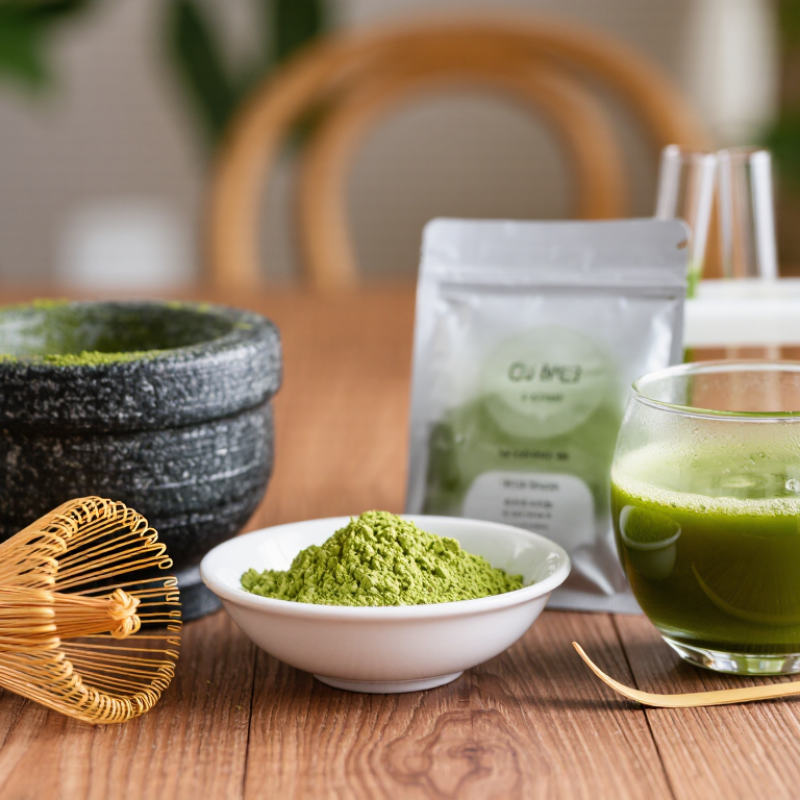
What Defines Ceremonial Matcha and Its Quality Standards
Ceremonial matcha is not a universally regulated legal category. The term usually describes finely milled tencha intended for drinking with water, not cooking. ISO 11287:2011 defines broad green-tea requirements, but it does not establish a global ceremonial grade. Therefore, buyers should examine evidence, not attractive wording.
Color offers an immediate clue. High-quality powder often shows a vivid jade tone, a smooth texture, and a fresh vegetal aroma. Dull olive color may suggest oxidation, aging, or poor storage. Shade-growing can increase chlorophyll and amino acids, especially L-theanine, but these factors vary by cultivar and harvest. A 2022 FAOSTAT report recorded China’s tea production at more than 3.7 million tonnes, yet total tea volume does not prove matcha quality. Supplier scale and product quality are different questions.
For a China supplier, request the harvest date, growing region, tencha processing details, milling method, and complete lot traceability. A reliable certificate of analysis should cover pesticides, heavy metals, microbes, moisture, and caffeine. Moisture matters because a humid powder quickly loses its clean aroma and develops clumps. I would also ask for sealed samples from different lots. Taste them with water near 70–80°C; excessive bitterness can reveal defects, although personal preference still matters. Some suppliers present laboratory numbers without explaining test methods. That is not enough. Quality checking remains partly sensory, and ceremonial matcha standards still need clearer international agreement.
How to Evaluate China’s Top Ceremonial Matcha Suppliers
A reliable ceremonial matcha supplier should provide more than bright green powder and polished photographs. Ask where the tea was grown, when it was harvested, and how quickly leaves were cooled after picking. Clear answers show operational knowledge. Vague answers deserve caution.
Request a recent certificate of analysis, including microbiological results, heavy metal screening, and pesticide testing. Check whether the documents match the exact lot you may purchase. A sample should arrive in sealed, light-resistant packaging with a harvest or milling date. Inspect its color, aroma, texture, and foam. Ceremonial matcha should feel fine between your fingers, not gritty. Its aroma may suggest fresh grass, seaweed, or mild sweetness. Harsh bitterness can signal poor leaf selection, aging, or unsuitable storage.
Supplier evaluation also depends on traceability and communication. Ask whether the supplier can identify farms, processing facilities, and storage conditions. Confirm minimum order quantities, temperature controls, packaging options, and response times. Independent audits or recognized food-safety systems strengthen credibility, but paperwork cannot replace a sensory check. I once placed too much trust in a beautiful sample; the larger shipment tasted flatter. That mistake changed my process. Test multiple lots, record tasting results, and compare them with laboratory documents. A dependable supplier accepts detailed questions and explains limitations without exaggerated promises. Availability may change between harvests, so written specifications should be reviewed before every purchase.
Product Grades, Certifications, Packaging, and Customization Options
China Top Ceremonial Matcha Powder Suppliers Guide
“Ceremonial grade” has no single global legal definition, so buyers should inspect measurable specifications. Grand View Research estimated the global matcha market at about USD 2.7 billion in 2023, with continued growth through 2030. This expansion increases quality claims, but not every claim deserves trust. Ask for shade-growing records, harvest dates, particle-size data, color measurements, and a recent certificate of analysis. The report should cover pesticide residues, heavy metals, microbiological limits, moisture, and caffeine. ISO 22000 or HACCP certification supports food-safety controls, while organic certification must match the destination market. USDA Organic and EU organic rules are not interchangeable. Small detail, serious difference.
Packaging should protect the powder from oxygen, light, heat, and humidity. Practical formats include foil-laminated pouches, nitrogen-flushed tins, and inner seals beneath rigid lids. A supplier should state filling conditions, net weight tolerance, shelf life, and storage temperature. For private-label projects, customization may include pouch sizes, printed cartons, bilingual labels, batch coding, and pallet configuration. Packaging artwork still requires regulatory review; attractive claims can create costly delays. Request pre-shipment samples in the final package, not only in a laboratory bag. Compare aroma, foam, color, sediment, and bitterness after whisking. I would also question unusually bright color or very low pricing. These signals are not proof of failure, but they deserve a second test. Specification sheets can be polished. Traceability is harder to fake.
China Top Ceremonial Matcha Powder Suppliers Guide
Common packaging formats used for ceremonial matcha procurement
Packaging selection depends on sales channel and freshness requirements. Single-serve sachets are commonly used for sampling and hospitality, 30 g tins for premium retail, 100 g pouches for regular consumers, and 1 kg bags for commercial beverage or foodservice use. Buyers should also verify food-safety certifications, oxygen and moisture barriers, lot traceability, and customization options before placing an order.
Supplier Comparison, Pricing Factors, and Order Considerations
China Top Ceremonial Matcha Powder Suppliers Guide
Comparing ceremonial matcha suppliers requires more than checking the lowest quotation. Review origin, harvest timing, shade-growing methods, stone-milling practices, and batch consistency. A reliable supplier should provide clear product specifications, food-safety documentation, moisture data, and recent sample results. Color should appear vivid green, while the aroma should suggest fresh grass rather than stale hay. The flavor should feel smooth, lightly sweet, and balanced. It should not taste sharply bitter.
Pricing depends on tea grade, harvest season, milling speed, packaging, order volume, and customization. Smaller orders usually cost more per kilogram. Air freight can also change the final price significantly. Compare landed costs, not only the factory quotation. A cheaper powder may create hidden expenses through inconsistent color, weak packaging, or rejected samples. This happens more often than buyers expect.
Tips: Request samples from at least three suppliers. Test them with water and milk. Ask for the same batch before placing a larger order. Confirm minimum order quantity, lead time, payment terms, storage conditions, and replacement procedures in writing. I would also inspect the inner pouch and sealing quality. A beautiful label cannot protect powder from oxygen or moisture. One practical weakness remains: supplier documents may look complete, yet testing frequency can differ. Recheck critical information before every repeat order.