
When exploring the world of wine in a bottle, China offers diverse and captivating options. The Chinese wine industry has made significant strides, attracting attention from global buyers. From the stunning landscapes of Ningxia to the rich traditions of Shandong, each region presents unique flavors and characteristics.
Many wines reflect local terroirs and modern winemaking techniques. For instance, the dry and refreshing white wines from the coastal areas showcase the influence of the sea. Meanwhile, red wines from the hills, with their bold flavors, entice enthusiasts seeking something new. However, not every bottle meets the high expectations set by established wine regions in Europe or the Americas.
Navigating this vibrant market can be a challenge. Some wines may not stand up to international standards, leaving buyers to wonder about quality. Despite these inconsistencies, the potential for discovery remains vast. Choosing wisely can lead to hidden gems that surprise and delight the palate. This exploration of the top 10 Chinese wines aims to highlight exceptional examples available in a bottle for discerning global buyers.
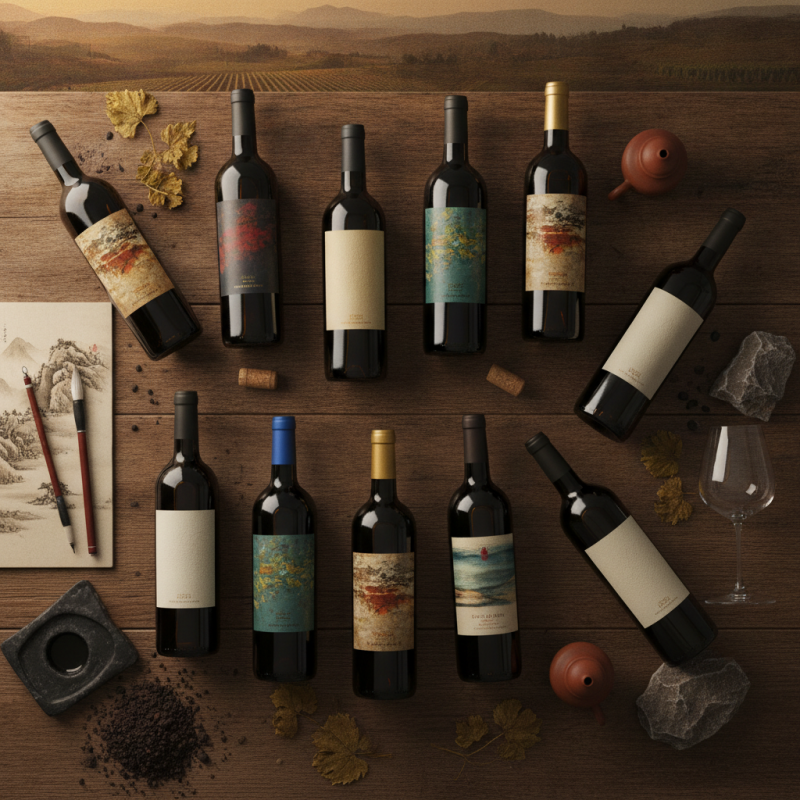
Chinese wine is emerging as a contender on the global stage. Traditionally, China has been known for its tea, but in recent years, wine production has gained momentum. This shift presents opportunities for international buyers. The growing reputation of Chinese wines stems from improved techniques and investments in vineyards. This evolution reflects a deep commitment to quality.
Many regions, such as Ningxia and Xinjiang, are producing unique wines that capture local terroir. The blend of ancient traditions and modern methods creates a fascinating landscape. However, inconsistencies in quality can pose challenges for buyers. Some bottles impress with their complexity, while others may not meet expectations. This variability is a reflection of the industry's development.
The global interest in Chinese wines signifies a significant shift in consumer preferences. Wine fairs and tastings are increasingly popular. They allow buyers to explore the diverse offerings. Despite the growth, the industry must address its weaknesses. Consistency and marketing are key areas for improvement. The journey of Chinese wines is ongoing, and the potential is immense.
When selecting the top Chinese wines for international buyers, several criteria come into play. Quality and flavor profile are essential elements. A wine's taste should reflect its terroir and craftsmanship. Factors like acidity, tannin level, and fruitiness are vital for evaluation. Wine from different regions in China will offer unique characteristics.
Another crucial criterion is the reputation of the winery. Experience in winemaking often leads to superior products. Awards and accolades can be indicators of quality, but they aren't everything. Some lesser-known wineries produce remarkable wines that deserve attention. Innovation in production techniques can enhance the final product.
Additionally, packaging and presentation matter. A well-designed bottle can create a better first impression. Labeling should convey essential information, such as varietal and region. Accessibility is key; wines that are easy to purchase tend to perform better in the global market. However, overpricing can deter buyers. Balancing quality with affordability is a challenge that producers face.
China's wine landscape has grown significantly, with key regions becoming notable players on the global stage. In 2021, China's wine production reached approximately 1.06 million tons, showcasing a 9% increase compared to the previous year. The Ningxia Hui Autonomous Region stands out for its climate and terrain, ideal for premium wines. Its unique soils and elevation allow for rich flavors, making it a focal point for buyers.
The Shandong province, often mentioned in reports, produces diverse styles, from reds to whites. In 2020, it accounted for nearly 45% of the country’s total wine production. The region benefits from a long history of viticulture. However, it faces challenges, such as inconsistent quality and commercial pressure. Buyers must navigate these pitfalls while seeking unique products.
Additionally, Xinjiang has captured attention due to its vast lands and favorable conditions. The region is known for producing high-quality grapes, reflecting a commitment to improving vineyard management. While these areas excel, there’s still room for growth. The balance between tradition and modern techniques remains a critical discussion point. Potential buyers are keen on understanding these dynamics before investing.
China's wine industry has made significant strides recently. As global consumers seek high-quality wines, China's offerings have captured attention. The top ten Chinese wines stand out for their unique flavors and rich history. Each wine has a story that reflects the region it comes from.
These wines range from robust reds to delicate whites. The flavors often include fruity notes, earthy undertones, and a hint of spice. This diversity appeals to many palates. However, finding the right wine can be overwhelming. Here are some tips to guide you. Focus on the wine's aroma and flavor profile. Experiment with food pairings to enhance your experience.
Buying Chinese wines can seem daunting at first. But exploring lesser-known regions could reveal hidden gems. Be open to trying different varietals. You might stumble upon a favorite you never expected. Embrace the adventure of tasting and discovering.
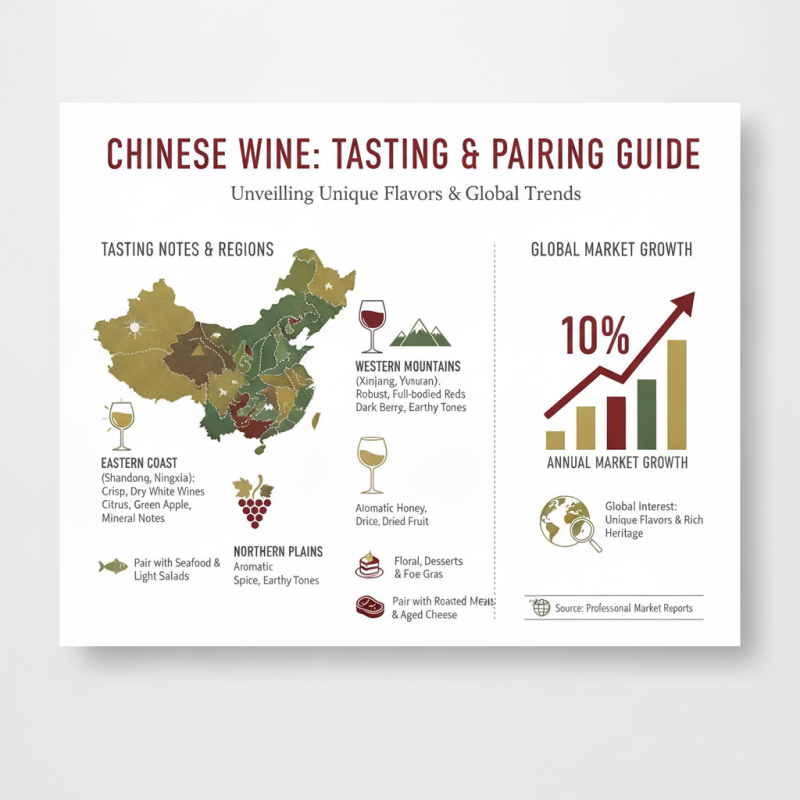
Chinese wines have gained traction in the global market, thanks to their unique flavors and heritage. The diversity in China's wine regions, from the dry eastern coast to the mountainous western areas, offers a wide range of taste profiles. Professional reports indicate that the Chinese wine market is projected to grow by 10% annually, showcasing a significant interest among global buyers.
For those new to Chinese wines, unique tasting notes can enhance the experience. A vibrant red from Ningxia may present dark fruit flavors, like plum and black cherry, balanced by subtle tannins. This type of red pairs well with grilled meats, enriching the culinary experience. Conversely, a complex white wine from Hebei can reveal notes of green apple and citrus, making it an ideal partner for seafood dishes. Each choice offers a chance to explore.
However, buyers should be cautious. Some wines may exhibit inconsistent quality. Reports suggest that not all producers adhere to high standards. The vast choices can overwhelm. It’s essential to research producers and vintages. A thoughtful approach is necessary for an enriching tasting experience. Exploring Chinese wines reveals not only flavors but also the rich culture behind each bottle.