

Frugalpac terms and conditions for the purchase of goods

Top Pharmaceutical Gelatin Manufacturers in China

China’s pharmaceutical gelatin sector is attracting attention as capsule makers and drug developers seek dependable materials, not just lower prices. Grand View Research’s Gelatin Market Size, Share & Trends Analysis Report estimates that the global gelatin market reached about US$3.4 billion in 2023 and could grow at roughly 5.2% annually through 2030. This figure covers gelatin across applications; it should not be mistaken for pharmaceutical-grade sales alone. Still, it signals a broad market where consistent quality matters.

Pharmaceutical Gelatin is used in hard and soft capsules, and its performance depends on measurable properties. Buyers commonly assess gel strength, viscosity, moisture, ash, microbial limits, and raw-material traceability. The FAO/WHO Joint Expert Committee on Food Additives’ gelatin specifications provide a technical reference for identity and purity, while pharmaceutical buyers also require supplier-specific quality documentation and appropriate manufacturing controls. A certificate is useful. It is not the whole story.

This guide examines leading pharmaceutical gelatin manufacturers in China through practical criteria: product consistency, audit readiness, traceability, technical support, and export experience. Company claims deserve verification. Request current specifications, batch records, and evidence that controls match the intended use. Market reports describe opportunity, but they cannot confirm a factory’s performance. That gap is easy to overlook.
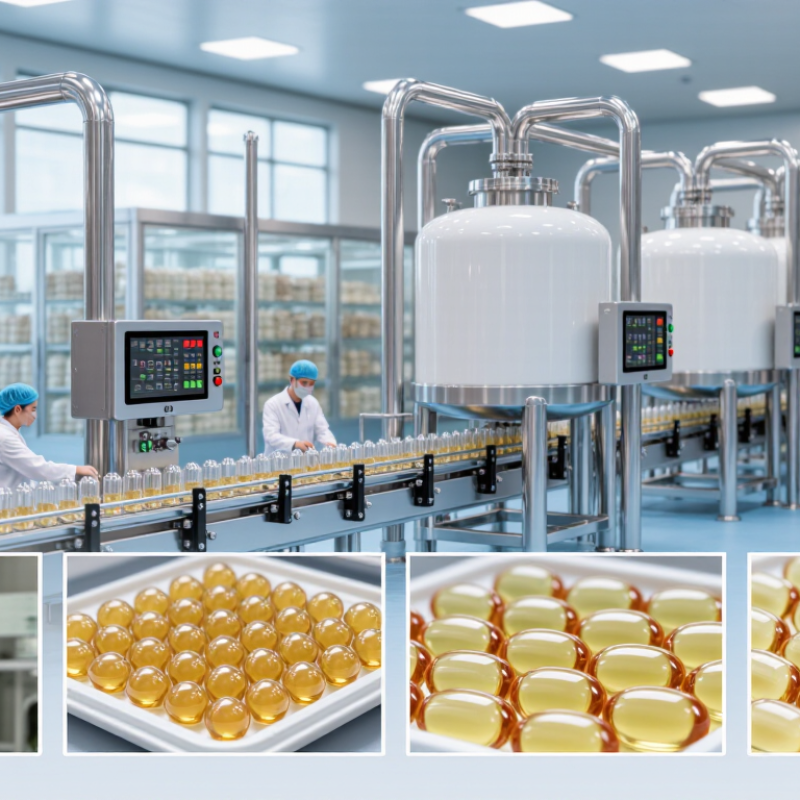
Top Pharmaceutical Gelatin Manufacturers in China

Pharmaceutical Gelatin: Definition, Properties, and Medical Uses

Pharmaceutical gelatin is purified, partially hydrolyzed collagen used as an excipient in medicines. It can form clear films and reversible gels, and it dissolves in warm water. These properties support hard and soft capsules, tablet binding, and some absorbable medical sponges. European Pharmacopoeia monograph 0330 provides a compendial framework for gelatin identity and quality. That matters.

Gel strength is commonly expressed as Bloom value. The Gelatin Manufacturers Institute of America’s Gelatin Handbook describes a standardized test using a 6.67% gel conditioned at 10°C. Bloom measures firmness, not purity or overall performance. A stronger gel is not automatically better; capsule design and manufacturing conditions also matter. Pharmaceutical grades therefore need controlled specifications, including relevant chemical and microbiological checks. Still, gelatin is a variable natural material. Its source and processing can affect viscosity and gel behavior, so batch testing remains important. Small differences can show up as a capsule that feels firmer than expected. That is worth watching.

How Pharmaceutical Gelatin Is Made and Quality-Controlled

Top Pharmaceutical Gelatin Manufacturers in China

Pharmaceutical gelatin begins with collagen-rich animal tissues that are inspected, cleaned, and prepared for extraction. Controlled acid or alkaline treatment helps produce different gelatin types. The material is then extracted in warm water, filtered, concentrated, and dried into sheets, granules, or powder. Small changes in temperature and processing time can affect performance. It is careful work, though not perfectly uniform from batch to batch.

Quality control checks both the material and its production history. Laboratories may measure gel strength, viscosity, pH, moisture, ash, and microbial levels against applicable specifications. Testing methods and acceptance criteria should be documented, and results linked to identifiable batches. Suppliers also need clear records for raw-material origin and processing. No single test tells the whole story; a strong result cannot replace consistent records or sound manufacturing controls.

Tips: Ask for a current certificate of analysis and confirm which tests were performed on the supplied batch. Check that storage conditions are stated, too. Gelatin can absorb moisture, so a damp package may be a warning sign. And specifications deserve a second look: it is easy to focus on gel strength and overlook other requirements.

Criteria for Comparing Chinese Pharmaceutical Gelatin Manufacturers

Top Pharmaceutical Gelatin Manufacturers in China

Comparing Chinese pharmaceutical gelatin manufacturers requires more than checking quoted prices. Review each site’s quality system, production controls, and ability to provide documentation for the intended market. Ask for current specifications, certificates of analysis, and records showing how batches are tested. Useful measures include gel strength, viscosity, moisture, ash, and microbiological limits. Match acceptance criteria to your formulation and applicable standards.

Traceability matters. Check whether the supplier can document raw-material origin, batch identification, and change-control procedures. During an audit, look closely at sampling, equipment cleaning, and how deviations are investigated. Consistency across several batches is more informative than one strong sample. Ask about production capacity, lead times, and technical support, too. These details can affect supply planning. Still, paperwork alone cannot show how a material performs in your process; a trial may reveal issues that a specification misses.

Tips: Request recent batch data and compare results across lots. Ask for evidence. Clarify how the manufacturer handles out-of-specification results and customer complaints. Keep questions specific, and record the answers. No single score captures everything; weighting criteria can be imperfect, but a written comparison makes gaps easier to spot.

Top Pharmaceutical Gelatin Manufacturers in China - Criteria for Comparing Chinese Pharmaceutical Gelatin Manufacturers

Comparison criterion What to compare Evidence to request or verify Why it matters
Pharmaceutical grade and intended use Whether the offered grade is suitable for the intended application, such as hard or soft capsules, and which compendial requirements it is designed to meet. Current product specification, applicable pharmacopoeial references, and a representative batch certificate of analysis (CoA). “Pharmaceutical grade” should be supported by defined specifications and test results, rather than by a general product description alone.
Animal source and traceability Declared source material, species, country or region of origin, and controls for tracing materials through production. Source declarations, supplier-qualification records, traceability procedures, and relevant origin documentation. Gelatin is produced from collagen-containing animal materials. Source and origin can affect customer, regulatory, and market requirements.
BSE/TSE risk controls Risk-management measures relevant to the declared animal source and the markets in which the material will be used. Applicable BSE/TSE statements, source-material controls, and supporting documentation for the intended destination market. The required documentation depends on source, intended use, and destination-market rules; confirm requirements for each supply chain.
Quality management and manufacturing controls Documented quality systems, process controls, change management, deviation handling, and corrective and preventive action procedures. Quality-system certificates where applicable, audit information, process-flow documentation, and sample procedures for deviations and changes. Documented controls help assess how consistently the supplier manages production and quality issues.
Key functional properties The specification and control ranges for properties such as gel strength, viscosity, pH, moisture, and particle size, as relevant to the grade. Approved specifications, test methods, recent CoAs, and results from qualification or application trials. These properties can influence processing and capsule performance. Suitable ranges depend on the application and should be agreed with the user.
Microbiological and chemical quality Defined limits and testing for relevant microbiological attributes, elemental impurities, and other chemical quality parameters. Current specifications, validated or documented test methods, batch results, and laboratory qualification information. Limits and test requirements should match the applicable monograph, customer specification, and intended use.
Batch documentation and release Batch identification, release testing, document accuracy, and the ability to provide consistent records for each shipment. Sample CoA, batch traceability example, product specification, and document-retention or record-retrieval procedure. Complete batch records support incoming inspection, investigations, and traceability throughout the supply chain.
Packaging, storage, and transport Packaging suitability, protection from moisture and contamination, storage instructions, shelf life, and shipment controls. Packaging specification, label example, storage statement, shelf-life basis, and transport or shipping procedure. Clear handling requirements help preserve material quality from dispatch through receipt and storage.
Supply reliability and change notification Lead-time communication, supply continuity planning, complaint handling, and advance notice of changes that may affect the product. Supply and change-control policies, service contacts, complaint-response process, and written notification commitments. Reliable communication helps customers assess supply risk and manage qualification or requalification when changes occur.
Technical support and evaluation samples Access to technical documentation, application support, and representative samples for laboratory and production evaluation. Sample availability, technical response process, supporting product data, and a documented sample-evaluation plan. A structured evaluation helps confirm that the material meets the user’s process and product requirements before routine purchasing.

Comparison note: This table lists selection criteria rather than ranking or making claims about individual manufacturers. Verify all specifications, certificates, and regulatory documents directly with the supplier for the intended product grade and destination market.

Profiles of Leading Pharmaceutical Gelatin Manufacturers in China

China’s pharmaceutical gelatin manufacturers differ in scale, process control, and product focus. A useful profile looks beyond factory size. It examines raw-material traceability, extraction methods, and batch testing. Gelatin used in capsules must have consistent strength and viscosity. Small variations can affect filling and shell performance.

One manufacturer profile may describe a vertically integrated producer. Such a facility can track collagen inputs through washing, extraction, drying, and milling. Another may focus on capsule-grade gelatin for domestic and overseas customers. Its strengths may include documented quality systems and routine checks for moisture, ash, and microbial levels. Details matter. A third profile could cover a specialist serving customers who need tailored viscosity ranges or technical support. Its capacity may be narrower, so buyers should confirm lead times and supply continuity.

These profiles are useful starting points, not proof of suitability. Ask for current specifications, representative test results, and clear change-control procedures. Compare samples under your own production conditions. A polished brochure is not enough. Some public information remains incomplete, and that deserves scrutiny. Even a capable supplier may not fit every formulation or process.

Pharmaceutical Gelatin in China: Key Compendial Quality Limits

The chart shows two USP-NF limits for gelatin: loss on drying must not exceed 15% and residue on ignition must not exceed 2%. These are product quality requirements, not measurements or rankings of individual manufacturers.

Industry Trends and Sourcing Considerations in China

Top Pharmaceutical Gelatin Manufacturers in China

Industry Trends and Sourcing Considerations in China

China’s pharmaceutical gelatin sector is shaped by tighter quality expectations, demand for traceable inputs, and capsule makers’ need for consistent processing. For buyers, the key question is not only who can supply gelatin, but whether each lot fits a defined use. Details matter. Check bloom strength, viscosity, moisture, ash, and microbiological results against the target specification and applicable pharmacopoeia.

Sourcing discussions should cover raw-material origin, process controls, change notifications, and batch records. Ask how the supplier handles deviations and retains samples; request recent test reports, not only a standard certificate. A factory audit can clarify sanitation, calibration, and documentation practices, while a trial run reveals handling differences. Small details get missed.

Compare samples under consistent conditions, including temperature, mixing time, and storage, before approving a source. Check packaging integrity and transport conditions, especially where humidity could affect powder flow or stability. A lower quotation may mean extra testing, longer lead times, or less flexible change control. A polished brochure is not proof. There is no perfect checklist, and buyers may still miss a process change between audits. Regular reviews help keep specifications and actual performance aligned.

Close