Top 10 Pulp Molding Innovations at 2026 Canton Fair?
The 2026 Canton Fair will showcase cutting-edge innovations in pulp-molding technology. From April 15 to May 5, the fair will host a diverse array of manufacturers. Advanced manufacturing and new materials will be key themes. Attendees can explore various pulp-molding products, including eco-friendly packaging and disposable tableware.
Sustainability is a major focus this year. Many companies are adopting greener practices, using recycled materials in their pulp-molding processes. This shift is essential for reducing waste in various industries. However, some innovations may need more refinement to meet industry standards.
The introduction of AI tools at the fair enhances the experience. Buyers can find suppliers with specific certifications quickly. Yet, navigating such a large venue requires more than just technology. It also demands strategic thinking and planning to maximize opportunities. The blend of innovation and efficiency sets the stage for exciting developments in pulp-molding this year.
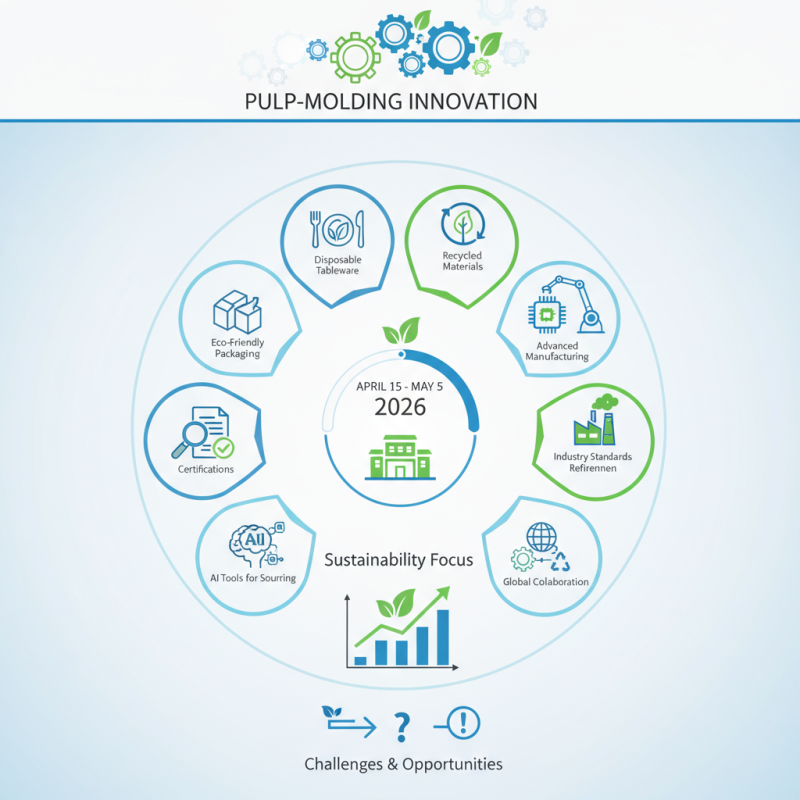
Overview of Pulp Molding Technology Innovations at 2026 Canton Fair
At the 2026 Canton Fair, pulp molding technology takes center stage. This innovative field aims to revolutionize sustainable packaging. Recent reports indicate that eco-friendly packaging will capture a market share of over 30% by 2027. The use of renewable materials greatly enhances sustainability efforts.
Innovations in pulp molding include advanced forming techniques and improved material blends. These advancements enable higher production efficiency while reducing waste. For instance, some new processes can cut production time by 25%. Pulp molding has potential beyond packaging; it can be used in various industries, including electronics and automotive sectors.
Tips for businesses exploring this innovation: consider your materials carefully. Look for renewable sources to enhance your product’s appeal. While experimenting with new technologies, monitor their environmental impact. Remember that while innovation is essential, balancing efficiency and sustainability is crucial. Embrace failure as a learning opportunity; every setback can reveal valuable insights in the pursuit of better solutions.
Key Players and Exhibitors Showcasing Pulp Molding Innovations
The 2026 Canton Fair is set to showcase groundbreaking innovations in pulp molding. Key players will exhibit advanced techniques and applications that redefine sustainability in packaging. Recent industry reports suggest that the global pulp molding market is expected to grow by over 5.2% annually. This rise is fueled by increasing demand for eco-friendly products.
Exhibitors will highlight various innovations, from biodegradable materials to advanced design capabilities. For instance, some will present novel molds that reduce material waste by up to 30%. The focus on minimizing carbon footprints reflects a larger industry shift toward sustainability. However, challenges remain, such as scaling production processes efficiently.
A surprising trend is the integration of AI in designing pulp molds. This technology can enhance precision and speed. Yet, concerns about reliance on digital tools persist. Can technology truly meet all material requirements? Many companies are still navigating these complexities, driving the need for ongoing research and development. The Canton Fair will be a critical platform for these discussions, bringing industry leaders together to evaluate practical solutions.
Sustainability Trends in Pulp Molding Innovations at the Fair
The 2026 Canton Fair showcased significant advancements in pulp molding, emphasizing sustainability. The industry is witnessing a shift towards eco-friendly materials and processes. According to a recent report by Global Market Insights, the pulp molding market is projected to grow by 6% annually, reflecting increasing demand for biodegradable products.
Among the innovations presented, the use of agricultural waste as raw material stood out. This approach not only reduces costs but also lowers environmental impact. Reports indicate that using such materials can decrease greenhouse gas emissions by 30%. However, the challenge remains in standardizing these materials for consistent quality.
Additionally, advancements in energy-efficient manufacturing processes are crucial. Many manufacturers are adopting solar energy solutions. This change aims to lower carbon footprints. Yet, transitioning to renewable energy sources can be complicated and requires financial investment. While the innovations are promising, the industry must address these hurdles to truly enhance sustainability in pulp molding.
New Materials and Techniques in Pulp Molding Demonstrated at the Event
At the 2026 Canton Fair, pulp molding innovations took center stage. New materials and techniques were showcased, revealing the industry's evolution. Pulp molding, once limited to simple packaging, now embraces sustainable practices. Recent reports indicate that the global pulp molded products market is projected to reach $12 billion by 2027. This growth stems from increasing consumer demand for eco-friendly options.
One interesting development is the use of biodegradable additives. These materials enhance the performance of pulp products while maintaining environmental friendliness. For instance, incorporating natural fibers and biopolymers results in sturdier molds. However, challenges remain. Some manufacturers still struggle with consistency and durability in production. These concerns highlight the need for continual innovation and quality improvement.
The fair also highlighted advancements in automated production processes. They promise to streamline operations and reduce labor costs. Yet, many companies grapple with integrating these technologies. Transitioning from traditional methods requires a learning curve. Overall, the innovations in pulp molding at the Canton Fair signify a positive shift, but ongoing efforts are essential for fully realizing their potential.
Top 10 Pulp Molding Innovations at 2026 Canton Fair
| Innovation | Description | Material Used | Sustainability Aspect | Potential Application |
| Biodegradable Molding | Utilizing new techniques for greater biodegradability. | Natural fibers | 100% biodegradable | Packaging |
| Recycled Paper Pulp | Using recycled paper for molding processes. | Recycled paper | Reduction in waste | Consumer goods |
| Advanced Molding Techniques | Use of 3D printing technology in pulp molding. | Pulp composites | Enhanced precision and efficiency | Custom designs |
| Rapid Drying Techniques | Innovative drying methods to enhance production speed. | Cellulose-based materials | Energy-efficient processes | Mass production |
| Smart Pulp Products | Integration of smart technology into pulp products. | Biodegradable sensors | Reduced environmental impact | Smart packaging |
| Eco-friendly Coatings | Natural coatings to enhance durability of pulp molds. | Plant-based coatings | Non-toxic | Food packaging |
| Modular Molding Systems | Flexible systems for different mold sizes. | Interchangeable materials | Adaptable sustainability | Various industries |
| Natural Dyes for Coloring | Using natural sources for coloring molded products. | Plant extracts | Fully biodegradable | Consumer products |
| Sustainable Sourcing Partnerships | Collaborating with local sources for materials. | Local fibers | Support for local economy | Regional markets |
| Pulp Molding Education Programs | Training workshops on pulp molding techniques. | Various materials | Promoting awareness | Industry professionals |
Market Impact and Future Prospects of Pulp Molding Innovations
Pulp molding innovations showcase significant advancements at the 2026 Canton Fair. The market sees a growing demand for sustainable packaging. Recent studies show that the global pulp molding market is set to reach $6.2 billion by 2027. This reflects an annual growth rate of 7.5%. Such growth indicates a robust shift toward eco-friendly materials.
New technologies in pulp molding enhance efficiency. For example, machinery now allows for quicker production cycles. This reduces energy consumption significantly. Data reveals that advanced molding techniques can cut operating costs by up to 20%. However, the industry still faces challenges. Material sourcing and waste management efforts need improvement. Many players in the field struggle with consistency in raw material quality.
Innovation in design is crucial. Product aesthetics and functionality lead the way. Biodegradable additives improve performance. Yet, there are concerns regarding their long-term effects on biodegradability. Companies often overlook lifecycle assessments. This lack of research can result in suboptimal product development. As the industry grows, addressing these issues will be vital for sustainable progress.
Top 10 Pulp Molding Innovations at 2026 Canton Fair