

Choosing where to buy the best Ceremonial Matcha in China takes more than comparing bright-green tins. Grand View Research’s matcha market report projects a 7.1% compound annual growth rate from 2024 to 2030, reflecting rising global interest in matcha. That growth is useful context, not proof of quality. Market estimates also group products differently, and “ceremonial” is not a universally regulated grade. Buyers should look for verifiable details: tea origin, harvest season, producer, milling method, ingredient list, and storage guidance.
In China, start with a brand’s official store on a major e-commerce platform, a specialist tea retailer, or a shop that lets you inspect the package before purchase. Check whether the seller provides batch information and clear return terms. A trustworthy listing should explain where the leaves were grown, rather than relying on phrases such as “premium” alone. For a small test, choose a sealed, modest-size pack. Open it and notice the aroma, powder texture, and color; fresh matcha should smell clean and vegetal, not stale or dusty. Preparation matters, too. A small bowl, warm water, and a bamboo whisk reveal more than a sweetened café drink. One limit remains: color and taste cannot verify origin by themselves. Ask questions. Compare the answers. This guide considers evidence, seller transparency, and practical buying options across China.
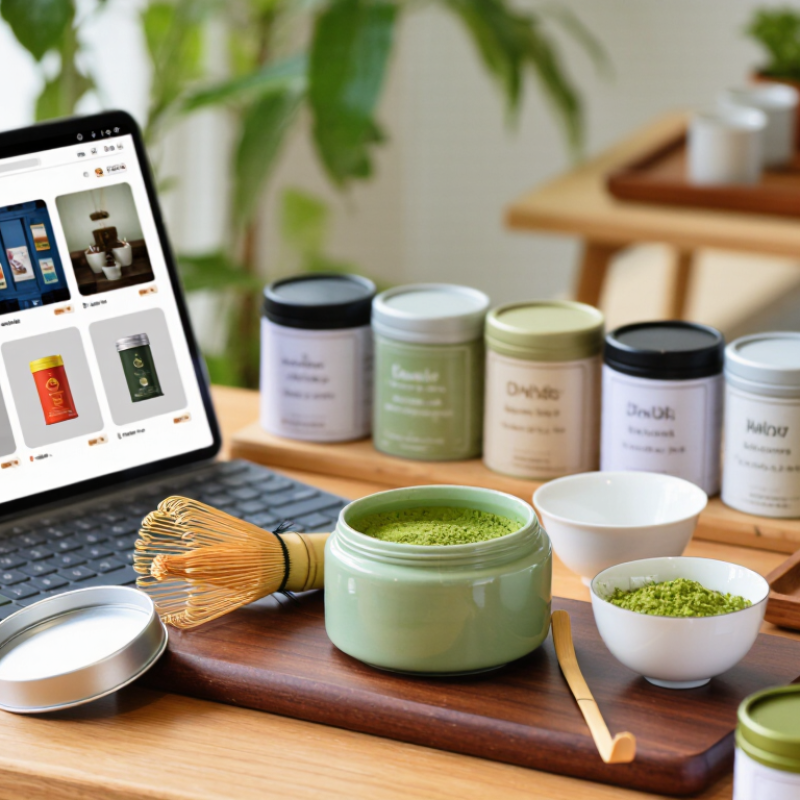
“Ceremonial-grade” is not a single, universally regulated grade in China. China’s national standard GB/T 34778-2017, Matcha, sets product requirements and testing methods, but the label alone does not prove superior quality. The China Tea Marketing Association’s 2023 industry report puts China’s total tea output at about 3.5 million tonnes. That figure covers the wider tea sector, not ceremonial matcha specifically. The distinction is easy to miss.
When comparing matcha, check the ingredient list, harvest information, origin, batch details, and available test reports. High-quality powder is usually fine and evenly colored, with a fresh aroma and a smooth, gently savory taste. A bright green color helps, but it is not proof; lighting and storage can affect appearance. Look for clear information about storage and testing, too. Even careful buyers can give color too much weight.
Tips: Buy a small amount first. Whisk it with warm, not boiling, water; note its aroma, texture, bitterness, and finish. If the seller cannot explain the lot or provide basic product details, keep looking.
How to Assess Matcha Quality, Origin, and Freshness
In China, compare specialist tea shops, established online tea retailers, and importers that provide clear product details. Ask where the leaves were grown and processed, and whether the seller can share harvest or milling information. A named origin is useful, but it does not guarantee quality. The term “ceremonial” is not applied consistently, so judge the tea itself, not just the label.
Good matcha is usually vivid green, finely milled, and fragrant with fresh grass or gentle sweetness. Dull color, a stale or hay-like smell, and a gritty texture may signal age or poor handling. Taste a small serving with water before buying a larger tin. It should feel smooth, with balanced bitterness and a lingering savory note. Preferences differ, though. I would not reject a tea on color alone. Check the packing date, sealed packaging, and storage advice; heat, light, air, and moisture can reduce freshness.
Tips: Ask for a recent packing date and a small sample. Store opened matcha tightly sealed, away from sunlight and steam. Freshness matters. Ask for proof of origin when available.
Across China, reputable ceremonial-matcha sellers are easiest to assess through traceability, not elegant tins. The China Tea Marketing Association’s industry reporting puts China’s 2023 tea production at roughly 3.5 million tonnes, reflecting a vast market with varied product descriptions. Grand View Research valued the global matcha market at USD 4.3 billion in 2023 and forecast 6.4% annual growth through 2030. That matters. Look for a growing region, harvest season, milling or packing date, and a single-ingredient list. A “ceremonial” label is not a universal quality grade. Ask whether the seller can share batch testing for contaminants and clear storage guidance.
In Hangzhou, Shanghai, Beijing, Chengdu, and online, compare specialist tea shops with sellers who explain origin and preparation plainly. Fresh matcha should arrive sealed, opaque, and protected from heat. Bright green color is a clue, not proof. I would not judge a tin by color alone. Check for a recent packing date, sample sizes, and specific answers about sourcing. For online orders, review return terms and packaging details before buying. A credible seller should distinguish finely milled, shade-grown tea for whisking from culinary powder, and admit when farm-level information is unavailable.
Buying ceremonial matcha in China often means weighing convenience against the chance to inspect a product yourself. Online shops make it easier to compare listed origins, harvest details, package sizes, and delivery costs. Check whether the tin is sealed and whether the seller provides a packing date. The word “ceremonial” is used inconsistently, so treat it as a description, not proof of quality. Small details matter.
In a tea shop, ask when the matcha was packed and how it has been stored. A knowledgeable seller should be able to describe its origin and recommend a preparation method without promising a perfect cup. If a sample is available, notice its aroma and whether the flavor seems fresh rather than stale or sharply bitter. You may not be able to judge color through an opaque container. That’s a limitation.
For online purchases, read recent reviews carefully; focus on comments about freshness, packaging, and delivery rather than star ratings alone. In warm or humid weather, long transit times and loose seals deserve extra attention. Compare the final price per gram, too, since small tins can look inexpensive while costing more. I’d still leave room for uncertainty: taste is personal, and a polished listing cannot replace trying the tea.
| Buying Option | What You Can Compare | Advantages | Limitations | Checks Before Buying |
|---|---|---|---|---|
| Specialty tea retailers online | Product descriptions, origin details, harvest or packing information, package sizes, and brewing guidance | Convenient for comparing several products and checking details at your own pace; delivery is available beyond major shopping areas | You cannot inspect the powder or packaging in person; product information and tasting notes vary by seller | Look for a clearly stated origin, ingredient list, net weight, packing date or best-before date, storage instructions, and a traceable seller contact |
| Large online marketplaces | Seller information, customer reviews, delivery terms, return policies, and listed product specifications | Broad selection and easy side-by-side comparison; reviews may help identify recurring delivery or packaging issues | Listings can differ in detail, and reviews do not independently verify quality, freshness, or origin | Check who is selling the product, whether the listing matches the package details, and whether recent reviews discuss freshness and sealed packaging |
| Physical tea specialty shops | Packaging condition, product labels, staff knowledge, and—where samples are offered—aroma and taste | You can ask questions directly and inspect the product before purchase; some shops may offer tasting | Selection can be limited, and sampling is not always available; displayed products may have been exposed to light or warm conditions | Ask when the product was packed, how it has been stored, and whether the tin or pouch is sealed and undamaged |
| Japanese or imported-food shops | Import labeling, ingredients, package condition, origin information, and date markings | Useful for seeing the physical package and checking labeling before buying | Matcha selection may be small, and ceremonial-style products may not always be stocked | Read the original and local-language labels, confirm the product is pure matcha, and check the date and storage instructions |
| Department-store food halls | In-person packaging inspection, staff assistance, and availability of tasting or product information | Convenient for shoppers who prefer to buy in person and review the package before paying | Prices and selection may be less flexible than online; stock and turnover vary by location | Compare the pack size and date with other options, and ask how unopened stock is stored |
Comparison tip: “Ceremonial grade” is not a universally standardized quality grade. Compare origin, harvest or packing information, ingredient purity, freshness, storage, and seller transparency rather than relying on that label alone.
Where to Buy the Best Ceremonial Matcha in China?
What to Check Before Choosing a Matcha Product
Before buying ceremonial matcha in China, read the tin, not just the tasting notes. Look for the harvest season, country and region of origin, and whether the powder is made from tencha. A clear milling date and sealed, light-blocking package also matter: matcha’s color and aroma fade with exposure to air, light, and heat. Look closely. Vivid green is a useful clue, but it cannot prove freshness or quality on its own.
Check the seller’s traceability information and ask for a batch-specific food-safety test when details are missing. Japan’s Ministry of Agriculture, Forestry and Fisheries reported tea exports of about 10,084 tonnes in 2024. That figure covers tea broadly, not matcha alone, and rising exports do not certify any particular product. It does show why clear origin claims deserve scrutiny. ISO 20715:2023 sets a definition and basic requirements for matcha; it is a reference, not a guarantee that every tin has been independently tested.
For a practical taste check, whisk a small amount with cool water first. Fresh powder should smell clean and vegetal, with little stale or dusty aroma. The foam may be imperfect. That is normal. “Ceremonial grade” is not, by itself, a universal quality certification, so compare concrete details instead: origin, harvest, storage, and testing.