What Is the Best Type of Wine in a Bottle?
What Is the Best Type of Wine in a Bottle?
Choosing the best wine in a bottle is not about price alone. It depends on grape variety, origin, vintage, closure, and serving purpose. A bright Sauvignon Blanc may suit grilled fish, while mature Cabernet Sauvignon can reward slow drinking beside roasted meat. The bottle should fit the moment.
The International Organisation of Vine and Wine reported that global wine production reached approximately 237 million hectolitres in 2023. Its report also showed continuing pressure from climate change, changing consumption, and unstable harvests. These factors make vintage, region, and producer more important than a simple “best wine” label. The IWSR’s beverage market research also identifies moderation and premiumisation as major consumer trends. Many buyers now seek better quality, clearer provenance, and smaller quantities.
Glass still protects wine from oxygen and external contamination. However, a heavy bottle does not automatically signal superior quality. This is where personal experience can challenge traditional assumptions. A lighter bottle may reduce transport emissions, yet some consumers still associate weight with luxury. That instinct deserves examination.
Robert Mondavi once said, “Wine to me is passion. It’s family and friends. It’s warmth of heart and generosity of spirit.” His words remain useful when judging wine in a bottle. Technical quality matters, but memory matters too.
No bottle wins every time.
A reliable choice should show balanced acidity, clean aromas, suitable structure, and trustworthy labeling. Check the producer, vintage, storage history, and regional reputation. The best wine in a bottle is therefore not universal. It is the bottle that performs honestly, suits the occasion, and leaves you wanting another careful sip.
Defining What Makes a Bottle of Wine the “Best”
What Is the Best Type of Wine in a Bottle?
What makes a bottle of wine the “best” depends on more than grape variety or price. In my tastings, balance usually matters most: acidity should refresh, tannins should feel structured, and fruit should not taste heavy. A fine wine also shows clear aromas, such as ripe cherry, citrus peel, herbs, or toasted spice. These details should remain distinct in the glass. Personal enjoyment still matters. A technically excellent wine may feel wrong with a salty meal or a warm evening.
Freshness is another practical measure. Check the vintage, storage conditions, closure, and serving temperature before judging the wine. Heat-damaged wine can smell flat, jammy, or strangely sweet. A trustworthy producer should provide clear information about origin, harvest conditions, and alcohol level. Professional reviews can help, but they are opinions, not guarantees. Bottle variation exists. It can surprise you.
Price alone proves little. I have misjudged expensive wines when I focused too much on reputation. I have also dismissed young wines that needed air and patience. That mistake remains useful. The best bottle may be the one that develops in the glass, matches the food, and suits the drinker’s experience. For a beginner, gentle acidity and moderate tannins may feel more welcoming. For an experienced taster, complexity and length may matter more. There is no perfect formula. There is only a careful comparison between the wine, the moment, and the person drinking it.
What Is the Best Type of Wine in a Bottle?
Defining “best” through balance, freshness, structure, and serving suitability
There is no single best wine style for every drinker. A well-made bottle is typically judged by balance, freshness, appropriate structure, and how well its style suits the occasion. Recommended serving temperature is one practical quality factor: lighter and sparkling wines are generally served colder, while fuller-bodied reds are served warmer to reveal their aromas and texture.
Comparing Wine Types by Flavor, Body, and Sweetness
Choosing the best type of wine depends on flavor, body, and sweetness rather than price or reputation. In tastings, I begin with aroma, then take a small sip. A crisp white wine may offer lemon, green apple, or mineral notes. Its light body feels refreshing, while bright acidity keeps the finish lively. It is not always better. Sometimes, it tastes too sharp. This style usually suits salads, seafood, and lightly seasoned dishes. Food can change everything. A dry wine may seem softer beside a creamy sauce.
Red wines often provide more body, with flavors of berries, herbs, spice, or cocoa. Tannins can create a dry, gently grippy feeling on the tongue. Light-bodied reds feel delicate, while full-bodied examples seem richer and warmer. White wines can also have substantial body, especially when they show ripe fruit or a creamy texture. Do not judge body by color alone. That shortcut often fails.
Sweetness deserves careful attention because fruity does not always mean sweet. A wine may smell like ripe peach but finish completely dry. Semi-sweet styles can balance salty foods, strong spices, or fruit-based desserts. Very sweet wines need enough acidity, or they may feel heavy. When I compare bottles, I serve them slightly chilled and taste them with food. My first opinion is sometimes wrong. Temperature, glass shape, and personal mood can alter the experience. The best choice is the bottle whose flavor, body, and sweetness fit the moment.
Matching Bottle Styles to Food and Drinking Occasions
What Is the Best Type of Wine in a Bottle?
Matching Bottle Styles to Food and Drinking Occasions
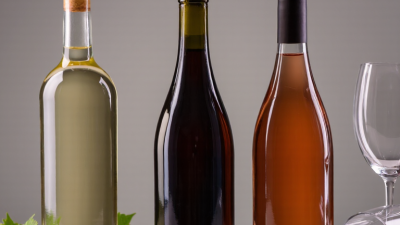
The best wine bottle depends on the meal, serving temperature, and pace of the occasion. A light white wine in a tall, narrow bottle suits grilled fish, fresh salads, and mild cheeses. Its crisp acidity can refresh the palate without covering delicate flavors. Serve it chilled, but not icy. Extreme cold can hide useful aromas.
For rich dishes, choose a medium or full-bodied red in a heavier bottle. The wine’s deeper fruit and firmer structure can work with roasted meat, mushroom sauce, or aged cheese. Let the bottle rest briefly after opening. Decanting may soften strong tannins, although not every young red needs it.
I once served a powerful red with spicy noodles, and the alcohol made the heat feel sharper. The pairing sounded confident. It was not.
Rosé often fits outdoor lunches, picnic plates, and lightly seasoned seafood. Its refreshing texture feels casual, yet it can handle tomato-based dishes better than many delicate whites. Sparkling wine brings energy to celebrations, brunch, and salty snacks. The bubbles lift fried food and cleanse the mouth between bites.
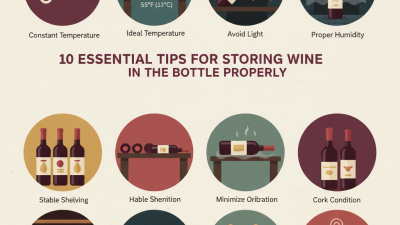
Choose smaller bottles for quiet evenings or limited drinking, since freshness fades after opening. A bottle with a secure closure helps, but storage still matters. Keep unopened wine away from heat, sunlight, and sudden temperature changes. Personal taste remains important. Food pairing guides are useful, but your own table is the final test.
Choosing the Best Wine Bottle for Personal Taste and Budget
The best wine in a bottle is the one that fits your palate and spending limit. A higher price does not guarantee greater enjoyment. The International Organisation of Vine and Wine reported global wine consumption at about 214 million hectolitres in 2023, the lowest level since 1996. That pressure encourages careful buying. Start with taste. Choose crisp white wines for citrus, mineral, or lighter flavours. Select fuller reds when you prefer dark fruit, spice, or firmer texture. A trusted retailer’s tasting notes can help, but your own experience matters more.
Budget changes the decision. For casual dinners, a mid-range bottle often offers better value than an expensive label. Check the vintage, region, alcohol level, and closure type. These details can affect freshness and food pairing. A 750-millilitre bottle usually serves five small glasses. That makes cost per serving easier to judge. The 2024 IWSR beverage research also highlights value-conscious purchasing, with shoppers comparing quality and price more closely. Discounts can help, but a cheap bottle is not automatically good value.
Glass weight is worth considering too. The OIV’s sustainability guidance identifies packaging as a major part of wine’s environmental impact. A lighter bottle may suit practical buyers. It may feel less luxurious. That is a real trade-off. I still sometimes choose a bottle because its shape looks beautiful, then regret the purchase after one dull glass. Personal taste is not perfectly rational. Keep brief notes, revisit successful choices, and leave room for occasional mistakes.
What Is the Best Type of Wine in a Bottle? Choosing the Best Wine Bottle for Personal Taste and Budget
Comparison of common wine styles by taste profile, serving occasion, bottle format, and typical budget.
| Wine Type |
Typical Grape or Style |
Sweetness |
Body |
Acidity |
Tannin |
Typical Alcohol |
Best For |
Typical Price Range per 750 ml Bottle |
Personal Taste Match |
| Light-Bodied Red |
Red wines made in a fresh, fruit-forward style |
Dry |
Light |
Medium to high |
Low |
11.5%–13.5% |
Roasted poultry, mushrooms, pasta, and slightly chilled red wine |
$12–$25 |
●●●●○ For soft texture and bright fruit flavors |
| Full-Bodied Red |
Rich red wines with concentrated fruit and noticeable structure |
Dry |
Full |
Medium |
Medium to high |
13.5%–15.5% |
Grilled beef, lamb, stews, barbecue, and hearty dishes |
$15–$35 |
●●●●● For bold flavors and a firm finish |
| Rosé |
Dry or off-dry pink wine made with limited skin contact |
Dry to off-dry |
Light to medium |
Medium to high |
Very low |
11%–13.5% |
Salads, grilled seafood, picnic foods, and warm-weather drinking |
$10–$22 |
●●●●○ For refreshing, fruity, and easy-drinking styles |
| Crisp White |
Fresh white wine with citrus, green fruit, or mineral notes |
Dry |
Light to medium |
High |
None |
11%–13.5% |
Seafood, shellfish, salads, goat cheese, and light appetizers |
$10–$25 |
●●●●● For bright acidity and a clean finish |
| Rich White |
Fuller-textured white wine, sometimes matured in oak |
Dry |
Medium to full |
Medium |
None |
12.5%–14.5% |
Cream sauces, roasted poultry, salmon, and buttery seafood dishes |
$15–$35 |
●●●●○ For creamy texture and layered flavors |
| Sparkling Wine |
White or rosé wine containing dissolved carbon dioxide |
Brut to sweet |
Light to medium |
High |
None to very low |
11%–13% |
Celebrations, fried foods, brunch, seafood, and aperitif service |
$12–$30 |
●●●●● For lively bubbles and versatile food pairing |
| Off-Dry White |
White wine retaining a small amount of natural grape sugar |
Off-dry to medium-sweet |
Light to medium |
Medium to high |
None |
8%–12.5% |
Spicy foods, Asian cuisine, salty snacks, and fruit-based dishes |
$10–$24 |
●●●●○ For gentle sweetness balanced by freshness |
| Dessert Wine |
Sweet still or fortified wine with concentrated fruit flavors |
Sweet |
Medium to full |
Medium to high |
None to low |
8%–20% |
Cheese, fruit desserts, pastries, and slow after-dinner sipping |
$15–$40 |
●●●○○ For pronounced sweetness and concentrated flavor |
| Low-Alcohol Wine |
Wine produced in a lighter, lower-alcohol style |
Dry to off-dry |
Light |
Medium to high |
Low |
5.5%–10.5% |
Casual lunches, lighter meals, and drinkers seeking a gentler style |
$10–$22 |
●●●●○ For moderate alcohol and refreshing character |
Price ranges are approximate retail estimates in U.S. dollars for a standard 750 ml bottle and can vary by region, vintage, production method, and availability. “Best” depends on preferred sweetness, body, acidity, tannin, food pairing, and budget.