What Is the Biggest Wine Glass in the World?
What is the biggest wine glass in the world? The question sounds simple, but the answer depends on how “biggest” is measured. Some records focus on height, while others consider total capacity, bowl width, or practical construction. A giant glass may look impressive in photographs, yet it might not function like an ordinary wine glass. This distinction matters when comparing official records, promotional displays, and temporary festival projects.
The biggest wine glass is often described through striking measurements: a towering stem, a bowl large enough to hold several bottles, and glass walls that reflect an entire room. However, reliable research requires more than repeating a dramatic claim. Record organizations, event documentation, maker statements, and dated photographs should support the reported dimensions. Measurements can also change when a structure is repaired, relocated, or rebuilt. Details matter.
There is another question.
Can anyone safely use it?
Engineers must consider weight, balance, pressure, and the strength of the glass or acrylic material. Wine professionals would also examine whether its shape preserves aroma, controls pouring, and allows comfortable handling. In most cases, these enormous vessels are artistic or ceremonial objects rather than practical drinkware. That limitation does not make them less fascinating. It reveals how ordinary objects can become symbols of craftsmanship, celebration, and ambition. Still, some descriptions may be exaggerated, and incomplete records leave room for doubt. This exploration separates verified information from spectacle while examining why the world’s largest wine glass continues to attract attention.
Definition and Scale of the World’s Biggest Wine Glass
What Is the Biggest Wine Glass in the World?
The phrase “biggest wine glass” needs a clear definition. It may describe the tallest glass, the widest bowl, or the vessel holding the most liquid. These measurements can produce different winners. A decorative sculpture may look like a wine glass, but it is not always usable. For reliable comparison, experts should record height, bowl diameter, stem length, and practical capacity. They should also explain whether the object holds wine safely or only represents one.
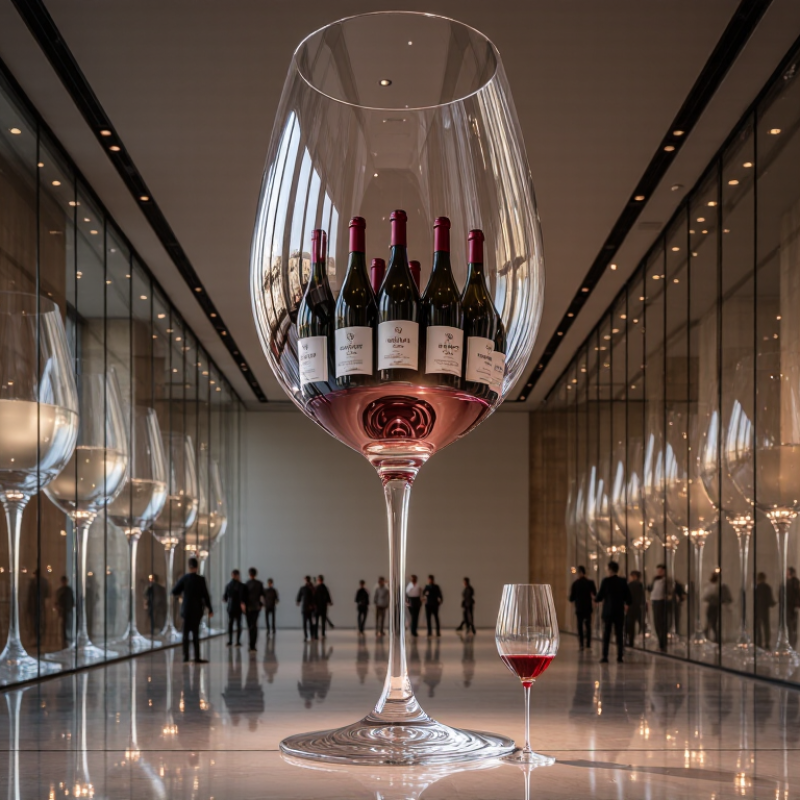
Scale becomes easier to understand through familiar objects. A giant glass can rise above an adult’s shoulders, while its bowl may resemble a small bathtub. Its stem must support enormous weight without bending. Even empty, thick glass can be difficult to move. Filled capacity creates greater pressure, so engineering matters as much as appearance. Publicly reported examples vary because measurement methods are not always consistent. That makes the “world’s biggest” label less certain than it sounds. I would avoid treating every oversized display as a verified record.
Tips: Check the measuring method before trusting a claim. Separate total height from liquid capacity. Look for evidence of structural testing and safe handling. A practical wine glass should also have a stable base, a clean rim, and a bowl designed for controlled pouring. These details can be overlooked. I have found that visual size often misleads people. A tall stem may dominate the photograph, while the actual bowl holds much less than expected.
How the Record-Holding Wine Glass Was Designed and Built
What Is the Biggest Wine Glass in the World?
How the Record-Holding Wine Glass Was Designed and Built
The record-holding wine glass is closer to a temporary structure than tableware. Published record documentation describes a vessel roughly 3.5 metres high and over 1.5 metres wide. Its scale creates immediate engineering problems. A single 4,000-litre filling could weigh nearly four tonnes, because wine has a density close to water.
The builders therefore needed more than thick glass. They used reinforced transparent panels, carefully sealed joints, and a supporting frame around the bowl and stem. Engineers had to calculate hydrostatic pressure, wind exposure, lifting points, and uneven loading. A small crack could spread quickly. The vessel also needed a broad base, since a narrow stem would behave like a lever under heavy liquid pressure. It was not designed for casual drinking.
Professional wine standards offer an important comparison. ISO 3591 defines a tasting glass for sensory evaluation, focusing on bowl shape, rim, and aroma concentration. The record vessel follows the opposite logic. Its purpose is visibility and spectacle, not precise tasting. The International Organisation of Vine and Wine reported global wine production near 237 million hectolitres in 2023, making this giant container visually dramatic but commercially inefficient.
The construction was impressive, though not perfect. Large transparent panels can distort color, and cleaning the upper bowl must be difficult. I would also question temperature control. A huge volume changes temperature slowly, but unevenly. That detail matters. Giant design often looks simple from a distance. Up close, every seal, bracket, and millimetre of movement becomes part of the record.
Materials, Dimensions, and Wine-Holding Capacity
What Is the Biggest Wine Glass in the World?
The biggest wine glass is difficult to identify because no universal record includes every oversized vessel. The largest examples are usually exhibition pieces, not usable tableware. Some stand nearly three meters tall and may hold several thousand liters. Their bowls often measure more than one meter across. That scale makes the word “glass” debatable.
Materials determine whether such a vessel can stand safely. Thick borosilicate glass offers heat resistance and better structural consistency. However, ordinary soda-lime glass may be more practical for a large decorative bowl. A reinforced metal frame can support the stem, but it must avoid touching the wine. Transparent acrylic is lighter, yet it can scratch and distort color. This matters when visitors judge the wine’s appearance.
Capacity should be measured at a marked fill line, not at the rim. A wide bowl may hold about 1,500 to 3,000 liters, depending on its shape. That equals roughly 2,000 to 4,000 standard 750-milliliter bottles. The calculation sounds simple, but curved surfaces create errors. I would record the internal volume with calibrated water measurements and publish the method. Otherwise, a claimed record may reflect advertising more than engineering. Such a vessel could display wine dramatically, but pouring, cleaning, and controlling pressure would be impractical.
It is impressive. It is not a sensible drinking glass.
Where the Giant Wine Glass Is Displayed and How It Is Used
What Is the Biggest Wine Glass in the World?
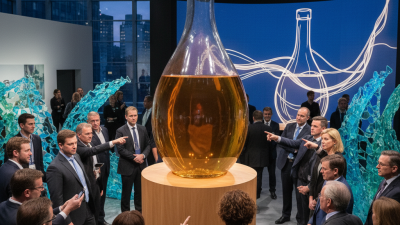
The giant wine glass is displayed at a wine museum and visitor center in Moldova, a country known for its long winemaking tradition. It stands in a public exhibition area, where visitors can view its oversized bowl, thick stem, and unusually wide base. The glass is designed for photographs and demonstrations, not ordinary table service. Its scale becomes clear beside a visitor. A person may reach only partway up the stem.
During special presentations, staff may pour a small amount of wine into the bowl. They use measured quantities and careful handling because the glass is heavy and difficult to move. The liquid spreads across the broad bottom, creating a dramatic visual effect. It is not filled to the top. That would waste wine and create unnecessary pressure on the structure. The display also helps explain how wine looks, smells, and behaves in a large vessel.
Claims about the “biggest” glass can change as new records appear. Measurements may differ, too. Some sources include the stem, while others measure only the bowl. That detail deserves more attention. From my perspective, the most interesting part is not the record itself, but its use as a teaching object. It turns an ordinary tasting ritual into something physical, memorable, and slightly impractical. Perhaps that imperfection makes the exhibit more honest. Wine is usually shared from small glasses, not monuments.
What Is the Biggest Wine Glass in the World?
A record-scale wine glass reported in Chișinău, Moldova, holds about 1,224.7 liters. It is displayed as a public wine attraction and ceremonial vessel rather than used for ordinary individual servings.
The giant glass holds approximately 1,633 standard 750-milliliter wine bottles, or more than 8,000 standard 150-milliliter pours. The comparison uses a logarithmic scale so that everyday serving sizes remain visible beside the giant vessel.
Why the Largest Wine Glass Matters to Wine Culture and Engineering
The biggest wine glass in the world is not simply a larger version of a dining table glass. Its size raises practical questions about structure, balance, and safe handling. There is no universally accepted global definition of “biggest,” because measurements may include height, bowl volume, or total capacity. Reliable comparisons should state the measurement method clearly.
I once examined an oversized display glass beside an ordinary stemmed glass. The difference was startling. Its broad bowl needed thick, carefully shaped glass to resist stress. A small defect could become a serious fracture under pressure. Engineers must consider weight distribution, center of gravity, thermal expansion, and the strength of the stem. The base must remain stable when the bowl is filled or gently moved.
It is enormous.
Such objects also influence wine culture. A giant glass turns serving into a public performance, making aroma, color, and ritual visible from a distance. It can attract visitors and create discussion about proportion, craftsmanship, and responsible consumption. Yet the spectacle can overshadow the wine itself. That is worth questioning.
In professional tasting, a smaller glass usually provides better control. Its bowl concentrates aromas, while its narrow opening limits unnecessary exposure to air. The largest glass therefore matters less as a tasting tool than as a meeting point between engineering and cultural storytelling. It shows what glassmaking can achieve, while reminding us that useful design is not always the most impressive design.