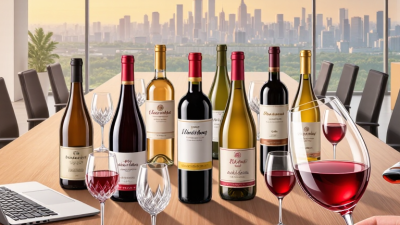

For global buyers, finding China’s best clean wine suppliers means looking beyond attractive labels and low quotations. “Clean wine” is not a universally consistent category, so buyers should define what it means for their market. It may refer to transparent ingredients, careful vineyard practices, restrained processing, or clear production records. Ask suppliers to explain their claims in writing. Vague promises are not evidence.
China’s wine industry spans distinct regions and production styles, and supplier capabilities can vary considerably. A serious assessment should cover grape sourcing, cellar hygiene, batch traceability, quality-control procedures, and export experience. Request recent laboratory reports and product specifications, then confirm that documents match the wine and production batch being offered. Visit the winery when practical, or arrange an independent audit. Small details matter: a legible lot code, consistent bottle seals, and packaging that survives a long shipment can reveal how carefully a supplier works.
Not always simple. Price alone rarely tells the whole story. Buyers should compare samples under consistent tasting conditions and clarify minimum order quantities, lead times, storage needs, and communication expectations before signing an agreement. Check whether the supplier can provide the documentation required by the destination market, and verify each requirement with qualified local advisers. This is not glamorous work. It can also expose gaps that polished brochures hide. The strongest partnership is not necessarily with the largest producer; it is with a supplier that answers specific questions, supports its clean wine claims with credible records, and handles problems openly. These checks offer a practical starting point, not a guarantee.
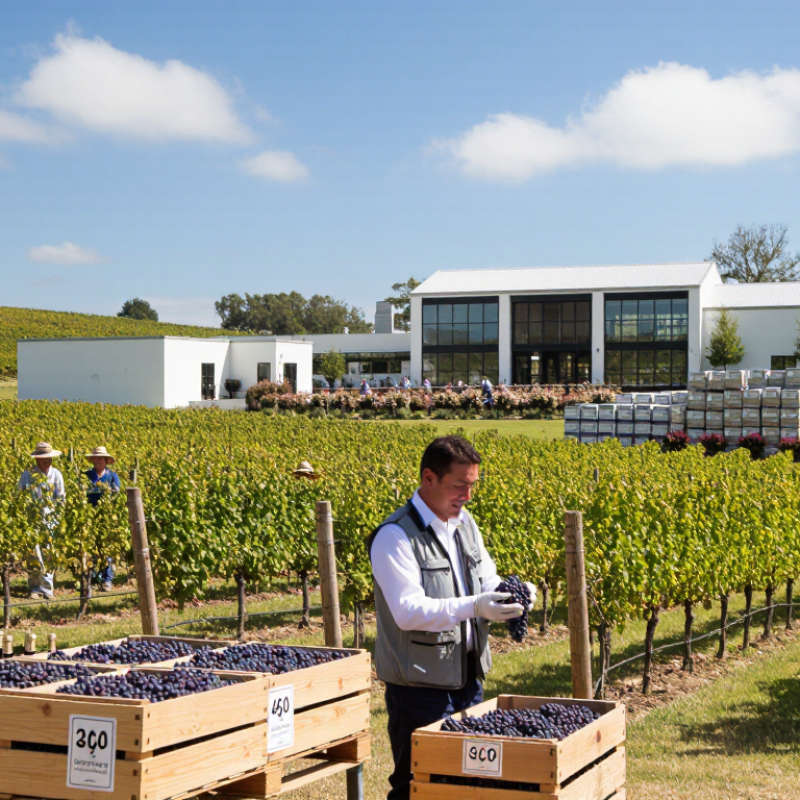
“Clean wine” has no single global definition. Buyers should ask suppliers to state exactly what the term means: organic grapes, limited additives, lower sulfites, or simply transparent production records. These claims are not interchangeable. The OIV’s 2023 report estimated global wine production at 237 million hectolitres in 2022, underscoring why buyers need consistent, comparable specifications across large supply chains.
Check the evidence, not just the label. Request current laboratory results for residual sugar, total and volatile acidity, alcohol, and total sulfur dioxide. Ask for pesticide-residue testing when relevant, plus batch-level traceability from vineyard to finished bottle. Organic claims should match recognized certification documents and the applicable destination-market rules; “natural” or “clean” wording alone proves little. The OIV’s International Code of Oenological Practices provides technical references for wine production, while legal limits and labeling requirements vary by market. Keep the paperwork.
A practical audit can start with one shipment: compare its certificate of analysis, ingredient disclosure, and lot code. Check whether reported values match the agreed specification, and clarify test methods and sampling dates. A low-additive wine may still need careful storage and transport. “Clean” is not a quality guarantee. Some records may be incomplete; that is worth discussing, not glossing over.
China’s clean-wine market is shaped by varied climates, not one single style. In Ningxia, vineyards near the Helan Mountains face dry conditions, strong sunlight, and cold winters. Growers may bury vines for winter protection. Irrigation and careful harvest timing matter. Xinjiang offers a similarly dry growing environment, while coastal Shandong’s humidity can increase disease pressure. These differences affect grape choice, vineyard work, and the character of each vintage.
Producers use methods ranging from conventional cellar practices to lower-intervention fermentation. Some sort grapes by hand, ferment in stainless-steel tanks, or use oak for structure. “Clean wine” has no single shared definition across the market. Buyers should clarify whether they mean limited additives, transparent sourcing, or specific farming practices. The label alone may not answer that. Ask for production notes, ingredient disclosures, and batch-level laboratory results where available.
A useful supplier review connects vineyard claims with verifiable records. Request harvest dates, grape origins, fermentation details, and testing documents for each lot. Compare samples from different regions; acidity and texture can shift noticeably. Small inconsistencies happen. They deserve questions, not assumptions. I would also check how a producer handles cold storage and shipment preparation, since heat exposure can dull fresh aromas before a bottle reaches its destination.
China Best Clean Wine Suppliers for Global Buyers?
Assess and Compare Chinese Clean Wine Suppliers
“Clean wine” can mean different things to different buyers. Define your requirements before comparing suppliers: ingredient disclosure, production methods, packaging, and target market specifications. Ask each supplier for current product sheets and batch-specific test reports. Check whether the documents match the exact wine offered, not just a similar product. Details matter.
Request samples from the same batch you may order. Taste them under consistent conditions, then record aroma, acidity, finish, and any variation between bottles. Ask about grape sourcing, production controls, traceability, and how complaints are handled. A neat brochure is not proof. Where possible, arrange a facility audit or independent inspection. Compare response times, minimum order quantities, lead times, and shipping protection too. One weakness in many comparisons is focusing on price before confirming quality consistency.
Tips: Keep a simple scorecard. Verify document dates and batch numbers. Clarify what “clean” means in writing, and avoid relying on broad claims alone. Ask for revised details when answers are vague. A small mismatch can become an expensive surprise.
China Best Clean Wine Suppliers for Global Buyers?
Sourcing depends on what “clean” means to your customers. The term has no single, globally harmonized technical definition. Buyers should turn it into a written specification: grape origin, farming method, permitted additives, sulfite limits, laboratory tests, and label claims. Ask suppliers for recent batch records and independent test results, not only a polished product sheet. Small details matter. A sample bottle may travel well, while a full shipment faces different temperature and packaging risks.
Market choice also shapes the sourcing model. Finished bottles suit buyers who need consistent retail packaging; bulk wine with local bottling may offer more control over format and freight. The OIV’s 2023 report estimated global wine consumption at 221 million hectolitres, down 2.6% from 2022. That softer demand makes stock planning and trial orders worth discussing before large commitments. Compare minimum order quantities, lead times, bottle weights, closure options, and export documentation. “Clean” alone is not a useful quality grade. I would still ask how each claim is verified, because a clear specification can expose gaps that a supplier brochure misses.
“Clean wine” has no single globally accepted legal definition. Buyers should specify measurable requirements—such as organic certification, ingredient and processing records, analytical limits, or packaging—and verify them for the destination market.
| Sourcing option | Potential China sourcing area | Best suited to | Buyer requirements to define | Documents and checks |
|---|---|---|---|---|
| Estate-grown, bottled wine | Ningxia, including the eastern foothills of the Helan Mountains; also assess other suitable producing regions. | Importers seeking vineyard and production traceability, regional identity, or a defined vintage and grape variety. | Vineyard origin, grape varieties, vintage, production method, residual sugar, alcohol, and sulphite limits or declarations. | Request lot-specific technical sheets, laboratory analysis, production records, origin documentation, and export eligibility confirmation. |
| Regional winery with contracted growers | Potentially Ningxia, Shandong, Hebei, or other regions, depending on the wine style and supply plan. | Buyers needing a broader range or more flexible volume than a single estate may offer. | Grower and vineyard traceability, blending rules, vintage consistency, minimum order quantity, and change-control procedures. | Check supplier approval records, grape-source declarations, batch traceability, quality specifications, and the right to audit relevant records. |
| Organic-certified wine producer | Assess producers in any region individually; climate or location alone does not establish organic status. | Buyers whose sales channel requires certified organic grapes and wine-making practices. | Destination-country organic rules, permitted inputs and processes, certification scope, and whether the certificate covers the specific product and facility. | Verify a current certificate with an accepted certifier and confirm import recognition and labeling requirements. EU, US, and Japan organic rules are distinct. |
| Custom-label or contract-bottling supplier | Select according to the verified wine source and the bottling facility’s capabilities, rather than assuming a particular region. | Importers and retailers seeking their own label, packaging format, or market-specific presentation. | Label language, mandatory declarations, packaging materials, closure, bottle or carton format, artwork approval, and production lead time. | Confirm who owns the wine and label, obtain pre-production samples, review packaging specifications, and have the final label checked against local law. |
| Bulk-wine supplier for import bottling | Evaluate by the documented origin and the exporting supplier’s ability to preserve lot identity during shipment. | Large-volume buyers with their own compliant bottling, blending, or packaging arrangements in the destination market. | Volume, wine specification, tank or flexitank handling, oxygen exposure controls, shipment temperature, and destination bottling rules. | Review certificates of analysis, loading and sealing records, transport conditions, sampling protocol, and import documentation before contracting. |
| Lower-intervention or “no added sulfites” specification | Consider any producer able to document the requested process and provide reliable batch testing. | Buyers targeting consumers interested in minimal-intervention production or a specific sulphite claim. | Define “no added” precisely; fermentation can produce sulphites naturally. Set analytical limits, test method, sampling point, and claim wording. | Request batch-specific laboratory results and production records. Confirm that any claim and sulphite declaration comply with destination-market rules. |
| Market-ready export supplier | Region is secondary; verify the specific exporter, producer, product, and destination eligibility. | First-time importers or buyers needing coordinated export paperwork and destination-specific packaging. | Target country, importer-of-record responsibilities, language and label format, applicable food rules, delivery terms, and required shipment documents. | Check business and export credentials, product registration where applicable, invoice and packing-list accuracy, origin documents, and market-specific certificates. |
Practical buying rule: Request a product specification, current certificates where applicable, a recent batch analysis, and a representative sample before placing a commercial order. Confirm all import, labeling, and alcohol-market requirements with the relevant authorities or a qualified local importer.
China Best Clean Wine Suppliers for Global Buyers?
For global buyers, “clean wine” needs a precise written definition; it is not a single universal compliance category. Specify ingredients, processing aids, residue limits, and label claims for each destination market. The OIV’s State of the World Vine and Wine Sector in 2023 reports 99.3 million hectolitres traded internationally. Paperwork matters. Ask suppliers for batch-specific analysis certificates, ingredient and allergen declarations, origin records, and export documents. Check test methods, lab accreditation scope, sampling dates, and whether report lot numbers match shipped cartons. Choose destination-appropriate tests, such as alcohol, residual sugar, sulfites, and relevant contaminant screens.
Verify the factory address, production capacity, and certificate validity with issuing bodies, not only sales staff. A video call can show tank labels, sealed sample storage, and lot coding; an independent audit offers stronger verification. The OIV also reported a 2023 global wine-trade value of about €36 billion, underscoring buyers’ exposure to quality and delivery risks. Compare pre-shipment samples with delivered goods, and retain a sealed control sample. Still, paperwork can miss a weak batch. Taste alone is not enough.
EU VI-1 wine analysis fields: a practical reference for export-document checks
The EU VI-1 analysis report lists five core fields—actual alcoholic strength, total acidity, volatile acidity, citric acid, and total sulphur dioxide—and a pressure field for sparkling wine. These are field counts, not test results or legal limits; confirm current requirements and any exemptions for the destination market and product.
Source: European Commission VI-1 wine import document. “Clean wine” is not a single globally harmonized certification; ask suppliers to substantiate any related claims.