Top Paper Wine Bottle Manufacturers in China?
Paper wine packaging is attracting attention from wineries seeking lighter, distinctive alternatives to conventional glass. Yet the phrase can hide important differences. Many designs pair a molded-paper or paperboard shell with a separate liquid barrier and closure. The shell may look simple. The full package is not.
For buyers comparing top paper wine bottle manufacturers in China, appearance is only one part of the decision. Ask about barrier materials, seam construction, filling compatibility, shipping tests, and the bottle’s end-of-life instructions. Request samples. Check how they perform after handling, chilling, and transport. A neat prototype is useful, but it cannot answer every production question. Details matter.
Sustainability thinker and architect William McDonough’s phrase, “Waste equals food,” offers a useful lens for evaluating packaging design. It is a principle, not proof that any bottle is recyclable or lower-impact. Those claims need evidence tied to materials, local collection systems, and product testing. This guide examines manufacturers through practical questions: What is the bottle made of? How consistently can it be produced? Can the supplier document its claims? Some answers may remain incomplete. That deserves attention, not gloss. The aim is a clearer shortlist of Chinese suppliers—and a more careful way to judge whether paper wine packaging fits a winery’s product, operations, and customers.
What Are Paper Wine Bottles and How Are They Made?
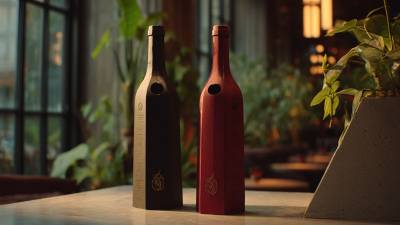
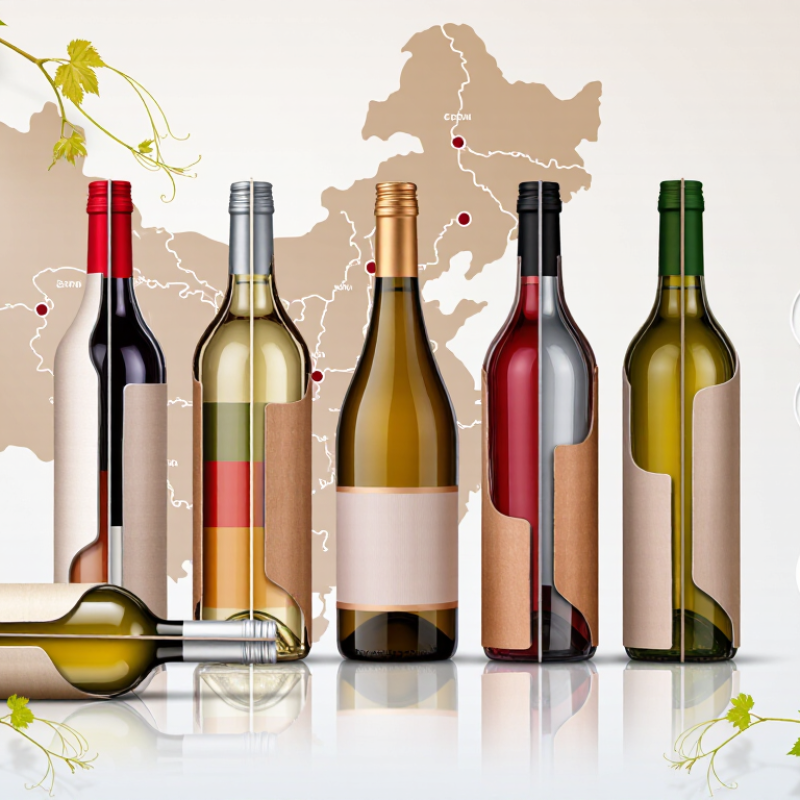
A paper wine bottle is usually a molded-fiber shell around a separate liquid barrier. The shell can contain recycled paper or plant-based fibers. A liner keeps wine from soaking into the fibers and helps limit oxygen exposure. Some designs also need a neck, closure, and inner support for filling and transport. It is not simply a bottle made from paper. Not quite.
Manufacturing begins by mixing fibers with water to form pulp. The pulp is shaped in a mold, then dried and trimmed. Workers inspect the shell for cracks, uneven walls, or weak edges. A liner is made or fitted separately, then joined with the shell and closure. Design details vary. The barrier and seal matter as much as the outer shape, since a poor fit can affect storage and handling.
The recycling figures need careful reading. CEPI’s Key Statistics 2023 reports a 79.3% paper and board recycling rate in Europe. The U.S. EPA’s 2018 materials report gives a 68.2% recycling rate for paper and paperboard. These figures describe wider material streams, not paper wine bottles specifically. A bottle’s liner and other components may complicate sorting, so local recycling guidance is worth checking. That distinction is easy to miss.
Common Wine Bottle Sizes by Volume
Paper wine bottles use alternative packaging, while the wine’s fill volume can follow familiar bottle sizes. The chart shows conventional wine bottle formats, not manufacturer-specific data.
How China’s Paper Wine Bottle Manufacturing Industry Is Organized
China’s paper wine bottle industry is organized as a supply chain, not a single production step. Paperboard and molded-fiber suppliers provide the outer shell. Specialist converters shape it, while separate manufacturers may supply the inner barrier pouch, neck, and closure. Some factories coordinate several stages; others rely on partner facilities.
The shell gives the bottle its form and printed surface. The barrier layer is crucial because wine needs protection from oxygen and leakage. Assemblers check seams, fit, and surface quality. Before shipment, filled samples can be tested for leaks, handling damage, and compatibility with the beverage. Results depend on materials and process settings, so buyers should request test details rather than assume every paper bottle performs alike. Supply arrangements can also change. That part is easy to miss.
Tips: Ask who makes each component and where final assembly happens. Request samples with the intended wine, closure, and shipping packaging. Check the test method and conditions; a quick visual inspection is not enough. A slightly awkward seam may deserve a closer look.
Which Paper Wine Bottle Manufacturers Operate in China?
China’s paper wine-bottle suppliers are not one uniform group. They generally include molded-fiber packaging manufacturers, paper-tube converters, and packaging developers that combine a paper shell with a separate liquid-contact liner. The China Paper Association’s 2023 annual report records 129.65 million tonnes of paper and paperboard production nationwide. That scale supports a broad converting industry, but it does not prove that every factory can make a tested wine container. Important distinction.
When assessing which manufacturers operate in China, ask for samples, production-site details, and test reports for the complete bottle—not just its paper outer layer. Check how the neck, closure, liner, and seams handle leakage and shipping vibration. A supplier may make sturdy gift packaging yet lack experience with liquid-filled containers. These are different jobs.
Smithers’ analysis of paper packaging trends provides useful market context, but broad packaging forecasts should not be treated as proof of wine-bottle capability. Ask manufacturers for documented barrier and transport tests, and confirm whether testing covers the intended wine and storage period.
Some product claims remain difficult to compare because test conditions differ. That uncertainty deserves attention.
How Chinese Manufacturers Differ in Materials and Production Capabilities
Chinese paper wine bottle manufacturers differ less in appearance than in material design and process control. Most concepts use a molded-fiber outer shell around a separate liquid-contact liner. That liner may use polymer or a barrier-coated structure, while the paper shell provides shape and protection. Ask for its material specification, not just a sustainability claim. The neck, closure, and liner joint deserve close inspection. Small gaps can cause leaks. A glossy sample proves little.
Production capability also varies. Some factories focus on molded shells; others coordinate liner forming, assembly, and filling-line trials. Check whether they can hold consistent neck dimensions and wall thickness across a production run. Request relevant leak, drop, and oxygen-barrier test data, with the test conditions stated. Results depend on the complete package, not paper alone. A detail is easy to overlook: a bottle may survive shipping tests yet run poorly on an existing filling line. Pilot quantities help reveal that mismatch, though they may cost more per unit. Specifications can look tidy on paper, but real production is messier. A careful supplier should explain limits, reject rates, and what still needs testing.
What Buyers Should Consider When Choosing a Manufacturer
Choosing a paper wine bottle manufacturer requires more than comparing unit prices. Ask how the bottle handles moisture, pressure, and repeated pouring. Paper structures often rely on an inner barrier, so request clear material specifications and test results. A sample can look convincing. Check the details.
Inspect the neck finish and closure fit, then test bottles on your actual filling line. Ask for drop, stacking, and leak-test data under conditions close to shipping and storage. Confirm that production samples match the approved design in weight, dimensions, and appearance. Small changes matter. A slightly loose cap can create problems later.
Also review lead times, minimum order quantities, quality-control records, and how defects are handled. Request evidence for environmental claims, such as the packaging’s material breakdown and disposal guidance for your target market. Do not rely on broad sustainability language alone. Even a careful trial may miss something, so keep a few filled samples for follow-up checks. That extra step takes time, but skipping it can cost more.