7 Tips to Reduce Your Wine Carbon Footprint
A bottle of wine can carry a larger environmental story than its label suggests. Growing grapes uses land, water, energy, and sometimes heavy machinery. Glass bottles also require materials and heat to produce, while transport adds emissions along the way. The wine carbon footprint varies by vineyard, packaging, production methods, and distance traveled. There is no single choice that makes every bottle low-impact. That is worth remembering.
This guide explores seven practical ways to reduce wine’s footprint, from choosing lighter packaging to considering how far a bottle has traveled. It also looks at vineyard practices, reusable options, and thoughtful storage at home. A few details are tangible: a heavy bottle in your shopping bag, a box shipped across an ocean, or wine left open until it loses its flavor. Small decisions can add up, though their effects differ from one place to another. Local wine is not automatically better, and packaging choices involve trade-offs. These tips are starting points, not a perfect formula. Reducing impact takes attention, and sometimes the most responsible choice is simply buying less and wasting less.
Understand the Main Sources of Wine’s Carbon Footprint
Understand the Main Sources of Wine’s Carbon Footprint
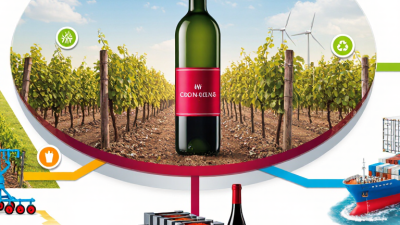
A wine’s footprint starts well before it reaches your glass. Vineyard emissions include diesel for tractors, electricity for irrigation, and the production of fertilizers. Soil management matters, too: choices in the vineyard can affect nitrous oxide emissions. These impacts vary with climate, farming methods, and how much machinery a site uses.
Packaging is a major source. A standard 750-millilitre glass bottle often weighs around 400–500 grams, so making and moving the glass takes energy. Amienyo and Azapagic’s life-cycle research, published in the Journal of Cleaner Production, identifies packaging and distribution among important contributors to wine’s environmental impacts. The International Organisation of Vine and Wine reported 237 million hectolitres of global production in 2023, illustrating how small packaging choices add up across the sector. Glass matters.
Transport adds another layer. Heavy bottles hauled long distances by truck can increase emissions; shipping method and route change the result. In many supply chains, however, the bottle itself can matter as much as its journey. That is easy to overlook. Winery energy, refrigeration, and wastewater treatment also contribute, though their share differs by producer. A label alone cannot reveal the full footprint; reliable comparisons need life-cycle data covering vineyard, winery, packaging, and delivery.
Choose Wine Made Closer to Home
Choosing wine made closer to home can cut transport emissions, especially when it replaces a long road journey. The UK Department for Energy Security and Net Zero’s 2024 greenhouse-gas conversion factors estimate roughly 0.10 kg CO₂e per tonne-kilometre for heavy goods vehicles, compared with about 0.016 kg for container ships. These are general freight averages, not wine-specific figures. Still, they show why “local” does not automatically mean lower-carbon: a bottle shipped efficiently by sea may beat one trucked several hundred miles.
Look for wine grown and bottled within your region, then check how it reaches the shop. A nearby vineyard’s cases delivered in a well-filled truck are a sensible choice. Ask whether the wine is bottled locally; transporting bulk wine for local bottling can avoid hauling heavy glass over long distances. Glass matters. The International Organisation of Vine and Wine’s sustainability guidance identifies packaging and transport as important areas for wine-sector environmental work, though impacts vary by producer and route. A lighter bottle may help, too.
At the shelf, compare origins rather than relying on a “local” label alone. A wine from across the border might travel a short, direct route; one from your own region might take a longer detour through distribution centers. I admit the label rarely tells the whole story. Choose the closer option when routes and packaging seem comparable, and favor local shops that can explain their sourcing.
Select Bottles with Lower-Impact Packaging
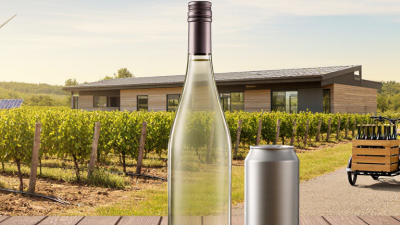
Glass protects wine well, but a thick, heavy bottle takes more material to make and more fuel to transport. For an everyday pour, look for a lighter bottle instead of one with a chunky base or decorative extras. The difference is easy to feel in your hand. Lighter packaging can lower shipping emissions, although the full impact also depends on production energy and distance traveled. Labels rarely tell the whole story.
Also consider wine in cartons or other non-glass formats when you plan to drink it soon. These packages can be lighter and easier to ship, but they are not ideal for every wine or storage period. Check the package instructions and choose a format that suits your plans. Recycled glass can help reduce demand for new materials, where local systems accept it. Rinse bottles and sort them according to local recycling guidance. Small details matter. I still find myself drawn to a heavy bottle because it looks special; that preference is worth questioning. Packaging is only one part of a wine’s footprint, but choosing less material is a practical place to start.
7 Tips to Reduce Your Wine Carbon Footprint - Select Bottles with Lower-Impact Packaging
| Tip |
Packaging choice |
Why it can help |
What to check |
| 1 |
Choose lightweight glass bottles |
Glass is heavy to transport. Reducing bottle weight can lower shipping-related impacts while retaining a familiar wine format. |
Compare the bottle’s stated weight when available; lighter glass is not, by itself, a guarantee of a lower total footprint. |
| 2 |
Consider bag-in-box wine |
The flexible inner pouch and outer box often use less packaging mass per volume of wine than an equivalent amount in glass bottles. |
Check whether the outer box and inner pouch can be separated and recycled locally. This format is generally intended for wines consumed relatively soon, not long-term bottle aging. |
| 3 |
Look for wine in aluminum cans |
Cans are light and compact, which can make them efficient to transport. Aluminum can also be recycled where collection and processing are available. |
Recycling outcomes depend on local systems and the can’s recycled content; producing new aluminum can be energy-intensive. |
| 4 |
Choose PET plastic bottles where suitable |
PET bottles are generally lighter than glass, reducing the mass moved during transport. |
Confirm that the bottle is accepted by local recycling programs. Avoid assuming that every plastic bottle is recycled in practice. |
| 5 |
Check local recycling guidance before buying cartons |
Cartons can be lightweight, but they combine materials such as paperboard, plastic, and sometimes aluminum. |
Recycling access for composite cartons varies by location. Follow local instructions rather than placing them in a recycling bin by default. |
| 6 |
Prefer packaging with a clear end-of-life route |
Packaging that is collected and processed locally is more likely to be recovered as a material than packaging with no practical recycling option. |
Check municipal recycling rules for the specific material, closures, labels, and any mixed-material components. |
| 7 |
Match the package size to how quickly you will drink the wine |
Choosing an appropriate format can help avoid wine being left unfinished. Larger formats may reduce packaging per serving, but only when the wine is used before it goes to waste. |
Consider serving needs, storage, and freshness after opening. The best format depends on the wine and your consumption pattern. |
Note: Packaging impacts vary with package weight, recycled content, manufacturing, transport distance, and local recycling infrastructure. When available, compare independently verified life-cycle information for the specific package.
Store and Serve Wine Efficiently
A wine refrigerator running half-empty may use more energy than your collection needs. Store everyday bottles in a cool, dark cupboard if your home stays reasonably steady in temperature. Keep them away from ovens, sunny windows, and heating vents. A little consistency matters more than building a perfect cellar.
Chill only the bottles you plan to serve. White and sparkling wines often benefit from refrigeration, while many reds need only a brief cool-down. Check the bottle’s serving guidance, then adjust gradually; preferences vary. Use a reusable thermometer if you are unsure. No need to chill everything. If a bottle is too cold, let it warm in the glass instead of leaving the refrigerator door open. That small habit can also protect the wine’s aromas.
Preserving an unfinished bottle can prevent waste, though no stopper keeps every wine fresh indefinitely. Seal it promptly and refrigerate it, including red wine; let it warm before serving again. I used to think specialized gadgets were essential, but a snug reusable stopper is often enough for a short pause. Wash glasses in a full dishwasher load when practical, and skip extra rinsing if they are already clean. These choices are modest, and household routines are not always perfect. A forgotten bottle still happens.
Reuse, Recycle, and Compost Wine-Related Materials
A bottle’s life does not have to end at the recycling bin. Reuse sturdy bottles only where a local refill system exists; washing and transporting them also use energy. At home, rinse bottles, remove caps, and check your council’s sorting rules. In the US EPA’s 2018 Advancing Sustainable Materials Management report, glass containers and packaging had a 25% recycling rate: 3.1 million tons recycled out of 12.3 million tons generated. That gap makes clean, correctly sorted glass worth the small effort. Small steps matter.
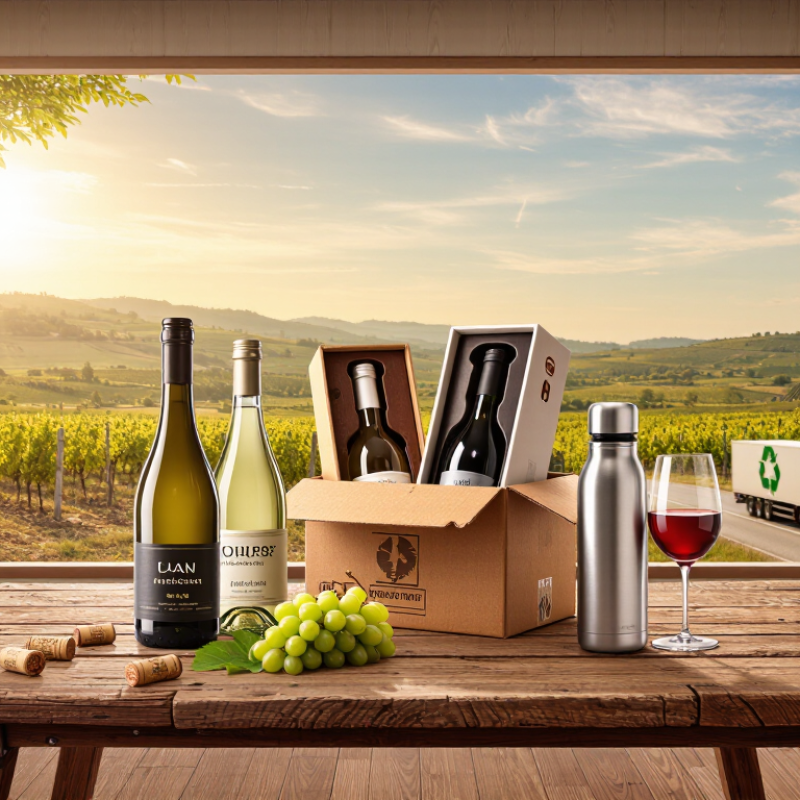
Wine-related extras need different treatment. Natural cork may be compostable, but synthetic corks and metal closures are not; check local compost rules before adding cork to a bin. Peel off foil or plastic sleeves when your recycling service requires it. Flatten cardboard carriers and recycle them dry, since greasy or wet fibers can be harder to process. Reusing a gift box for storage is often simpler than sorting it later. This sorting is not perfectly tidy: labels may stay on some bottles, while other places ask you to remove them. When unsure, look up your local waste guide rather than guessing.