
Frugalpac terms and conditions for the purchase of goods

Top China Suppliers for Wine in Paper Bottles?

A wine bottle made mostly from paper can look simple on a shelf. Its performance depends on less visible details: the inner liner, neck finish, closure, and filling-line compatibility. For buyers exploring wine in paper bottles, those details matter as much as appearance. A supplier should explain how the complete package protects the wine, not just how its outer shell is made.

Malcolm Waugh, founder of Frugalpac, has described its Frugal Bottle as “the world’s first paper wine bottle.” That product claim offers useful context, but it is not a substitute for comparing suppliers. China-based buyers and importers should ask for material specifications, sample bottles, production capacity, and documented test results. They should also check how the bottle performs during filling, stacking, and transport. A neat sample is only a start.

There are trade-offs. A paper-based bottle may reduce glass use, yet its liner and recycling route need careful review. And a low quoted price means little if samples vary or delivery schedules remain vague. Ask direct questions. Request evidence. Then compare answers against your wine, bottling equipment, and target market. This guide examines potential Chinese suppliers and the practical checks that can help buyers judge fit. Some details may remain uncertain until a real production trial. That is worth saying plainly.
Top China Suppliers for Wine in Paper Bottles?

What Defines a Paper Bottle for Wine Packaging?

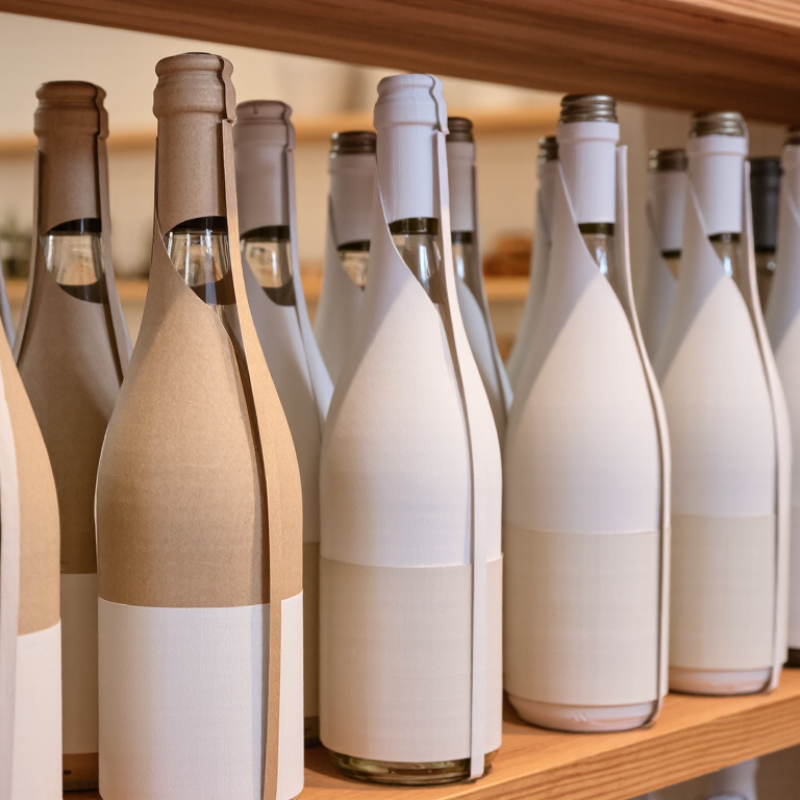
A wine paper bottle is not simply a bottle made from paper. It usually combines a molded-fiber outer shell with a liquid-contact liner, neck, and closure. The shell provides shape and protects the bottle during handling. The liner helps control oxygen and moisture, which matter for wine quality. Not quite paper. The exact materials and construction vary by design.

A useful definition includes both performance and end-of-life handling. The bottle must hold wine without leaking, tolerate filling and transport, and clearly disclose how its parts can be separated. The U.S. Environmental Protection Agency’s 2018 Facts and Figures report found that 68.2% of paper and paperboard was recycled that year. That figure covers many paper products, not wine bottles, and does not guarantee local acceptance of mixed-material packaging. Ask suppliers for the liner composition, shelf-life test results, and recycling or disposal guidance for the intended market. Request evidence, not just a “paper” claim. A fiber shell can look simple while its liner complicates recovery. That part is easy to overlook.
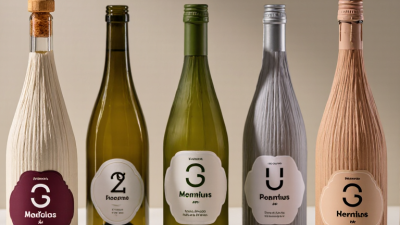
China’s Paper Wine Bottle Supplier Landscape

China’s paper wine bottle supplier landscape includes several different business types. Some factories specialize in molded-fiber shells, while others convert paperboard or assemble complete containers with inner barriers and closures. Trading companies may coordinate these parts, but buyers should confirm who controls production and quality checks.

The paper exterior is only part of the package. Wine needs reliable protection from oxygen, leakage, and handling damage. Ask suppliers for material specifications, barrier-test results, closure details, and samples filled under realistic conditions. Check whether the container fits your filling line and remains stable during storage and transport. Small details matter: a loose cap or a scuffed shoulder can affect both function and shelf presentation.

Request a sample set. Compare it carefully. Supplier claims are useful, but they are not a substitute for documented testing. A factory visit or independent inspection can clarify how materials are sourced and defects are handled. Some suppliers may have attractive prototypes but limited experience with wine; that gap deserves attention. Paper packaging is evolving, and specifications can vary between batches, so clear tolerances and written approval steps help prevent surprises.

Top China Suppliers for Wine in Paper Bottles? - China’s Paper Wine Bottle Supplier Landscape

Anonymized sourcing overview. Paper wine bottles are generally multi-material packages; construction, barrier performance, filling compatibility, and end-of-life options depend on the specific product. Supplier-level capabilities should be confirmed with current technical documents and samples.

Supplier segment to assess Typical packaging role Wine-specific checks Evidence to request Key sourcing consideration
Paperboard bottle-converting supplier Forms the paper-based outer body, which may be combined with a separate liquid-contact liner or pouch. Confirm the complete package construction, closure fit, leak resistance, and compatibility with the intended wine and storage conditions. Layer-by-layer material specification, drawings, sample bottles, and test reports for the finished package. The paper shell alone does not establish liquid-barrier performance; assess the full package.
Barrier-liner or pouch supplier Provides the liquid-contact component used inside some paper-bodied bottle designs. Ask for oxygen-transmission and seal-integrity data for the specified liner, test conditions, and finished format. Food-contact documentation for the intended market, material composition, migration-test reports where applicable, and shelf-life validation data. Barrier performance depends on materials, seams, closure, and package design; do not compare headline values without matching test conditions.
Molded-fiber packaging supplier May produce a shaped fiber outer body or protective components; liquid containment may require a separate barrier structure. Check dimensional consistency, moisture resistance of the outer body, bottle stability, and fit with the proposed liner and closure. Material details, moisture and compression test methods, sample evaluation, and details of any coating or barrier layer. A fiber-based exterior should not be assumed to be fully paper-only or recyclable with ordinary paper; confirm local disposal routes.
Closure and neck-finish supplier Supplies the cap, plug, or other closure and the matching neck-finish components. Verify sealing performance, opening method, compatibility with the bottle neck, and suitability for the intended wine and distribution conditions. Closure drawings, compatibility samples, seal-test results, and material information for all closure components. The closure and neck interface are part of the barrier system and should be tested with the actual bottle.
Contract filling and packaging partner Fills and closes the package, or assesses whether existing equipment can handle the proposed bottle format. Confirm filling method, line speed, handling requirements, closure application, and controls for leakage and package damage. Line-trial results, process flow, quality-control plan, and a written statement of equipment and format compatibility. Do not assume a paper-bodied format runs on standard glass-bottle equipment without trials or line changes.
Integrated package-development supplier Coordinates the bottle body, barrier liner, closure, decoration, and sometimes filling trials. Request a complete bill of materials, defined performance targets, prototype testing, and responsibility for package-level validation. Technical specification, prototype and production samples, test reports, quality agreement, and change-control process. Clarify which components are made in-house and which are sourced from other suppliers.

Baseline reference: 750 mL is a common wine bottle volume, but capacity and dimensions should be specified for each project. Paper-based construction does not by itself establish recyclability, food-contact suitability, or shelf life; verify these claims for the finished package and target market.

Materials and Production Capabilities to Compare

When comparing Chinese suppliers of wine in paper bottles, examine the full structure, not just the outer paper shell. Ask whether the bottle uses molded fiber, a plastic liner, a foil barrier, or several layers. These components affect oxygen protection, leak resistance, weight, and disposal. Request material specifications and clear information about which layers can be separated. “Recyclable” can mean different things where local facilities vary. No material is perfect.

Production capability matters just as much. Ask about bottle-forming methods, barrier application, filling compatibility, and hourly output. A supplier may make attractive samples but lack stable quality at larger volumes. Request samples from more than one production run, then check seams, neck fit, surface finish, and leakage after handling. Small defects show up quickly.

Discuss wine-contact testing, quality checks, and how rejected units are handled. Ask whether the supplier can provide test records, sample approval procedures, and batch traceability. Confirm that the bottle fits your filling equipment; neck dimensions and closure choices can cause delays. A pilot run is useful. It costs time, but skipping it may cost more. I would also compare minimum order quantities and lead times in writing, since verbal estimates can be optimistic.

How to Evaluate Supplier Quality and Compliance

Top China Suppliers for Wine in Paper Bottles? How to Evaluate Supplier Quality and Compliance

A supplier’s presentation tells you little about how a bottle performs after filling. Ask for the full material specification, including the paperboard, inner barrier, closure, and any adhesives. Request food-contact documentation for the exact packaging structure, not just a general company certificate. Check that documents match your destination market and product use. Details matter.

Ask how each production batch is identified and what happens when a test fails. Reliable suppliers should explain traceability, inspection steps, and corrective actions in plain language. Request recent test reports for leakage, compression, and barrier performance. Where possible, test filled samples under realistic storage and shipping conditions. Observe the seams. Look for seepage, softening, odor changes, or damaged corners after handling. Wine’s contact with the inner layer makes compatibility testing especially important.

A neat sample is not proof. I would compare samples from different production runs, even if that adds time and cost. Review how changes to materials or factories are approved, and ask how complaints are recorded. Video calls can show equipment, but they cannot replace independent testing or a clear written specification. Some suppliers may answer quickly yet provide incomplete records. That is a useful warning, though not a final verdict. Check gaps before placing a large order.

Steps for Verifying and Sourcing a Supplier

When assessing China-based suppliers of wine in paper bottles, verify the factory behind the quotation. Ask for its registered business details, production address, recent audit records, and references from comparable packaging projects. Then request a technical dossier for the complete bottle, including its paper shell, inner barrier, cap, and adhesive. Small details matter.

A Carbon Trust-verified comparative life-cycle assessment for one 750 ml paper wine bottle reported an 84% lower carbon footprint than a glass bottle. Treat this as a product-specific result, not a guarantee for every supplier or design. Ask for the assessment’s scope, assumptions, and bottle weight. Request independent food-contact test reports and migration results for the actual materials, not generic certificates. Also check oxygen transmission and shelf-life data. Wine quality can change quietly.

Order samples from the proposed production line. Inspect seams, neck fit, leaks, and label adhesion; then test filling compatibility with your own equipment. A small pilot run can reveal delays or defects that a sample cannot. Ask for batch traceability, quality-control limits, lead times, and written remedies for rejected goods. I would still verify these claims independently. Paper packaging sounds simple, but the barrier layer deserves careful scrutiny.

Close