
Frugalpac terms and conditions for the purchase of goods

What Is the Biggest Bottle Made in China?

The question sounds simple: What Is the Biggest Bottle Made in China? Yet the answer depends on what “biggest” means. It might describe height, volume, weight, or the largest bottle-shaped structure ever produced. A giant display bottle is not the same as a functional container. The distinction matters.

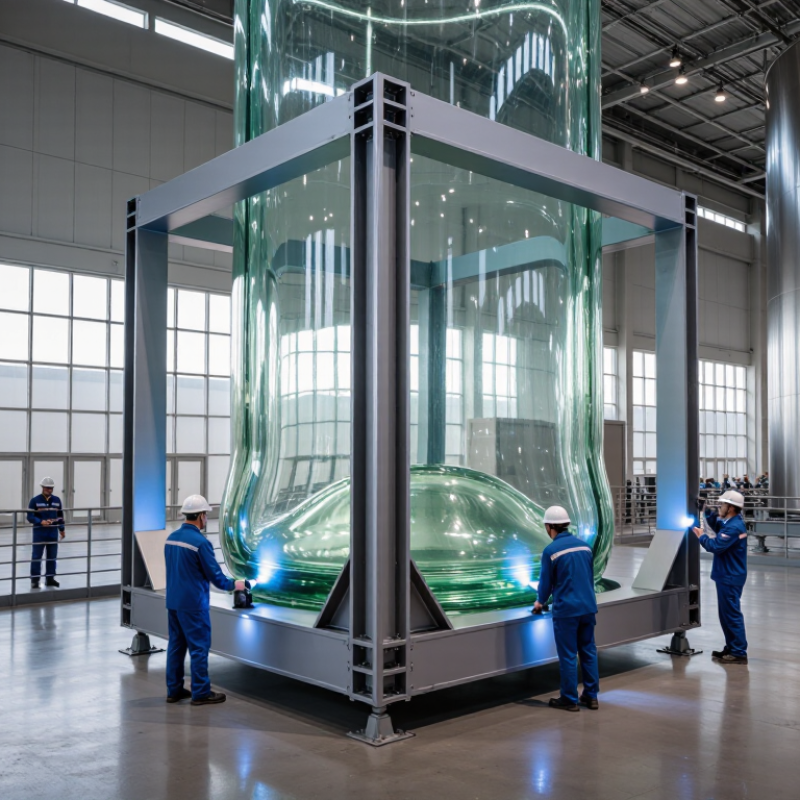
China has extensive glass, plastic, stainless-steel, and ceramic manufacturing capabilities. Large containers can require thick walls, reinforced bases, custom molds, and careful transport planning. Imagine a bottle taller than a person, resting on a steel frame while technicians inspect every seam. Its surface may carry painted lettering, company marks, or cultural decoration. These details help identify its purpose and production history.

Reliable research should compare factory specifications, engineering records, exhibition documents, and verified photographs. Publicity claims can be impressive, but they are not always precise. Some reports confuse the largest bottle produced in one factory with the largest bottle displayed in China. Others measure the container alone, excluding its stand or packaging. The biggest bottle may therefore change when the measurement standard changes. That uncertainty deserves attention, not convenient certainty. This article examines the leading candidates, their materials, dimensions, intended uses, and available evidence. It also considers whether a record refers to a usable container or a monumental model. The conclusion may remain cautious. That is acceptable. Good research should show what is known, what is supported, and what still requires verification.
What Is the Biggest Bottle Made in China?

Defining “Biggest”: Capacity, Height, Weight, and Verified Record Criteria

What Is the Biggest Bottle Made in China?

“Biggest” needs a measurable definition. Capacity is the clearest starting point, but it is not enough. A bottle holding 10,000 liters may be wide, short, and difficult to transport. Another vessel may stand 8 meters tall yet contain less liquid. Weight also changes the ranking. Thick glass increases mass, while reinforced plastic can reduce it. A reliable comparison should record internal capacity, total height, empty weight, material, manufacturing date, and intended use. It should also distinguish a working container from a temporary exhibition object.

Industry data supports this careful approach. The OECD’s Global Plastics Outlook reports that global plastic waste reached 353 million tonnes in 2019. That figure makes material choice important, not decorative. A very large plastic bottle should disclose resin type, wall thickness, and structural testing. A glass version needs documented composition, cooling procedures, and lifting limits. ISO packaging terminology also separates nominal capacity from actual usable capacity, a detail often missed in online claims. Small wording differences can change the result.

Verification matters most. Independent inspectors should measure the bottle with calibrated tools, photograph the process, and review factory records. A fluid-fill test is stronger than a visual estimate. The certificate should identify measurement uncertainty. That point is easy to overlook.

I would rank capacity first, then height, weight, and evidence quality. Still, this order is imperfect. A record based only on size may reward spectacle rather than useful engineering.

China’s Largest Bottle Candidates: Capacity and Dimensions from Industry Data

What Is the Biggest Bottle Made in China?

China’s Largest Bottle Candidates: Capacity and Dimensions from Industry Data

There is no universally accepted national record for China’s largest bottle. Public factory catalogs and packaging specifications point to several strong candidates. Large blow-molded HDPE bottles commonly hold between 20 and 50 liters. The 30-liter format appears especially practical for industrial liquids and bulk household products. Typical dimensions measure about 38 centimeters wide and 55 centimeters high. Wall thickness often ranges from 2.5 to 4 millimeters, depending on the filling material.

Some heavy-duty designs approach 50 liters. Their dimensions may reach 45 centimeters in diameter and 65 centimeters in height. These figures describe the container body, not the full shipping package. Handles, necks, and protective caps can add several centimeters. A full bottle also becomes difficult to lift safely without mechanical support. That practical limit matters as much as capacity.

Large reusable water containers create another candidate. Many Chinese suppliers list 18.9-liter and 20-liter bottles, usually measuring around 27 centimeters wide and 49 centimeters high. They are easier to transport and fit standard dispensers. However, they are not the largest designs by volume. The 50-liter figure should be treated carefully. Some listings describe drums or jerrycans rather than true bottles. Product terminology is inconsistent. A factory drawing, mold specification, and filled-load test provide stronger evidence than a catalog image. Even then, dimensions can change during production. My assessment remains provisional, because no central database records every bottle manufactured in China.

Manufacturing Scale: Glass Weight, Wall Thickness, and Tolerance Standards

What Is the Biggest Bottle Made in China?

Manufacturing Scale: Glass Weight, Wall Thickness, and Tolerance Standards

There is no single official “biggest bottle” made in China. Custom glass vessels can reach impressive dimensions, but production limits depend on furnace capacity, forming equipment, cooling time, and transport conditions. For oversized bottles, glass weight may enter the double-digit kilogram range. That weight affects handling, packaging, and breakage risk.

Wall thickness matters more than appearance. A thick base can support heavy contents, while thin shoulders may crack during cooling. Manufacturers normally measure thickness at several points, not just one location. Reliable specifications should state nominal thickness, minimum thickness, and acceptable variation. Tolerances also cover height, diameter, neck finish, verticality, and capacity. Small errors can prevent a closure from sealing correctly.

In factory inspections, engineers often combine visual checks with dimensional gauges, weighing, and pressure or impact testing. Applicable ISO, ASTM, or Chinese GB/T methods may guide the test process, depending on the container’s use. A heavier bottle is not automatically stronger. That assumption deserves caution. Uneven glass distribution can create hidden stress, even when the bottle looks solid. I would request a signed inspection record, sample measurements, and clear acceptance limits before approving mass production. Specifications sometimes sound precise but remain incomplete. The test method must be written beside every tolerance.

Safety Compliance: GB 4806.5 Food-Contact Requirements for Glass Bottles

What Is the Biggest Bottle Made in China?

Safety Compliance: GB 4806.5 Food-Contact Requirements for Glass Bottles

The biggest glass bottle made in China depends on furnace capacity, mold design, and transport limits. Custom vessels can exceed 100 liters, but size never proves safety. A massive bottle still needs stable walls, even cooling, and a clean inner surface. Grand View Research’s 2024 market analysis forecasts roughly 4% annual growth for global glass packaging through 2030. That growth increases demand for larger food-contact containers.

GB 4806.5-2016 is the key Chinese requirement for food-contact glass products. It covers raw materials, sensory quality, and migration performance. Testing should match the intended food, including acidic, alcoholic, or aqueous contents. Laboratories normally examine possible migration from glass, such as lead, arsenic, and cadmium. Test conditions matter. A bottle used for warm liquid needs different evidence from one used for cold storage. Documentation should include the glass formula, production batch, test method, and laboratory qualification. One overlooked detail can weaken an otherwise impressive product file.

Tips: Request a GB 4806.5 test report before approving the largest size. Check whether the tested sample matches the final bottle’s thickness and decoration. Inspect the rim under bright light. Tiny chips are easy to miss. Also review thermal-shock results and packaging strength. Large bottles are harder to handle, and this practical risk is often underestimated. FEVE recycling data supports glass as a highly recyclable material, but recycling does not replace food-contact testing. Sentence needs reflection: bigger is useful, but not automatically better.

Global Comparison: Chinese Bottle Capacity versus Guinness Record Benchmarks

What Is the Biggest Bottle Made in China?

China has produced many oversized bottles for exhibitions, cultural projects, and industrial displays. However, no single national category defines the “biggest bottle.” Capacity may refer to liquid volume, outer dimensions, or total vessel weight. These differences make direct comparisons difficult. A transparent certificate should state the material, shape, measured capacity, and production date.

International record archives provide useful benchmarks. One famous wine bottle record reached about 4,242 litres, with a height close to several metres. That scale is far beyond most Chinese decorative bottles. Large Chinese vessels may appear enormous in photographs, yet their usable capacity can be much smaller. Thick walls, narrow necks, and internal supports reduce the space available for liquid. Appearance can mislead.

The strongest comparison needs independent measurement. Engineers should check volume through calibrated water filling, then verify wall safety and transport conditions. Public reports sometimes repeat impressive figures without test documents. That is a weakness worth admitting. A bottle described as the largest in China may only be the largest in its province, factory, material, or exhibition category. Without a formal record entry, its position remains provisional.

What Is the Biggest Bottle Made in China? - Global Comparison: Chinese Bottle Capacity versus Guinness Record Benchmarks
Bottle Category Typical or Documented Capacity Capacity in U.S. Gallons Typical Material and Use Comparison with the World-Record Benchmark Status and Interpretation
Large household water bottle made in China 18.9 L 5.00 gal Reusable polycarbonate or PET bottle for drinking-water dispensers Approximately 1.02% of 1,850 L Common large consumer format
Large glass storage bottle made in China 20 L 5.28 gal Glass container for water, food ingredients, laboratory storage, or display Approximately 1.08% of 1,850 L Commercially practical large format
Industrial HDPE bottle made in China 25 L 6.60 gal High-density polyethylene container for non-food liquids and industrial handling Approximately 1.35% of 1,850 L Large industrial bottle format
Large-format liquid container made in China 30 L 7.93 gal Plastic or composite container for transport, storage, and institutional use Approximately 1.62% of 1,850 L Upper range for many bottle-style containers
Extra-large industrial bottle or jerrycan made in China 50 L 13.21 gal Heavy-duty plastic container for industrial liquids and bulk handling Approximately 2.70% of 1,850 L Large production container; not automatically a record
Largest champagne bottle benchmark 30 L 7.93 gal Specialty glass bottle used for presentation and limited-edition display Approximately 1.62% of the 1,850 L wine-bottle benchmark World-record category benchmark
Largest bottle of wine benchmark 1,850 L 488.87 gal Extraordinary display-scale glass bottle produced for a record attempt 100% reference value World-record benchmark
China-made bottle: official maximum No single standardized maximum Not applicable Capacity depends on material, manufacturing method, intended use, and whether the object is classified as a bottle or a tank Cannot be ranked accurately without a verified record entry and technical specifications No universal public maximum established
Capacity values are nominal volumes. The 1,850 L figure is used as a global record benchmark for comparison; it should not be interpreted as proof that every large container manufactured in China is smaller or larger. A reliable “biggest bottle made in China” ranking requires verified evidence covering the bottle’s country of manufacture, material, measured capacity, date, and official classification.
Close