

10 Wine and Spirits Sourcing Tips for Global Buyers
Global wine sourcing is not just a search for attractive labels or low prices. It is a careful check of origin, producer capability, product consistency, and delivery details. A bottle may look compelling in a catalogue, yet its vintage, packaging, or supply schedule may not fit a buyer’s needs. Small details matter: a clear lot number, a reliable tasting sample, and a supplier who answers specific questions.
Robert Mondavi, the American winery founder, said, “Wine to me is passion.” That idea is useful, but passion alone is not a sourcing plan. Buyers should examine production records, request current specifications, compare samples, and discuss how quality is maintained across shipments. They should also consider freight conditions, shelf life, payment terms, and communication across time zones. A warm introduction helps. Written confirmation helps more.
This guide presents 10 practical wine and spirits sourcing tips for global buyers, from defining product requirements to building dependable supplier relationships. The phrase wine and spirits wine and spirits may look repetitive, but it points to a real challenge: buyers often handle distinct product categories with different quality, packaging, and logistics needs. Keep the questions concrete. Ask what can be verified, and record what remains uncertain. Some sourcing decisions will still feel imperfect. A sample cannot promise every future shipment. Honest review, careful documentation, and follow-up can reduce that gap.
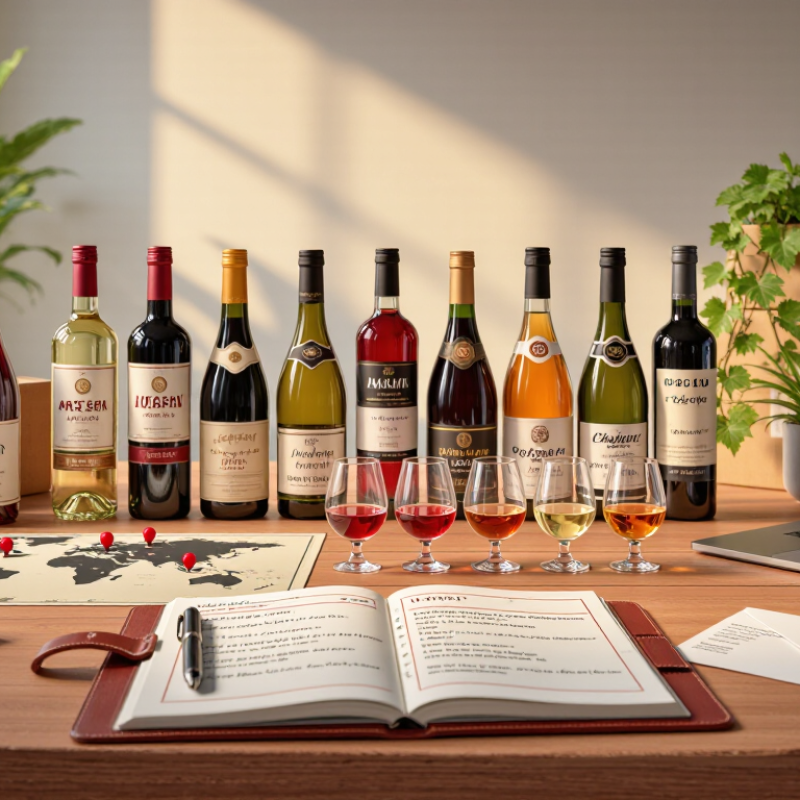
Define Product Requirements and Target Markets
Before requesting quotes, define the product in measurable terms: wine or spirit category, origin, grape or raw material, flavor profile, alcohol level, pack size, closure, and annual volume. Specify acceptable variation, too. A tasting note such as “dry, with citrus and light oak” is more useful when paired with sample references and clear limits. Details matter.
Then identify the buyer and occasion in each target market. A restaurant seeking distinctive by-the-glass pours has different needs from a retailer building an entry-price shelf. The OIV’s State of the World Vine and Wine Sector in 2023 estimated global wine consumption at 221 million hectolitres, its lowest level since 1996. That figure is a reminder to validate demand by market and channel, rather than treating global volume as a sales forecast. It covers wine, not spirits. This is easy to miss: a strong product can still be a poor fit for its intended shelf.
Tips: Build a one-page brief with target price, customer, serving occasion, preferred format, and expected reorder volume. Ask local importers to review the brief and taste samples against it. Record disagreements; they often reveal unclear requirements. Avoid assuming your first specification is perfect. Refine it after buyer feedback, while checking current market-entry and labeling requirements with qualified local advisers.
10 Wine and Spirits Sourcing Tips for Global Buyers - Define Product Requirements and Target Markets
| No. | Sourcing Tip | Product Decision | Target-Market Check | Evidence to Request |
|---|---|---|---|---|
| 1 | Choose the target markets first | List intended countries, sales channels, and launch timing before selecting products. Decide whether the offer is for retail, restaurants, e-commerce, or more than one channel. | Compare demand, local alcohol rules, taxes, permitted sales channels, and distribution requirements in each destination. Rules can differ between the United States, the European Union, the United Kingdom, Canada, and Japan. | A country-by-country market brief and a written compliance review from the local importer or qualified regulatory adviser. |
| 2 | Specify the product category | Define whether the product is wine, sparkling wine, fortified wine, a distilled spirit, or a liqueur. State the style, key ingredients where relevant, and any production or origin requirements. | Check how the destination classifies the product; category definitions can affect permitted descriptions, duties, and labeling. | Product specification sheet, production description, and applicable origin or category documentation. |
| 3 | Set measurable quality criteria | Define acceptable sensory characteristics, appearance, closure, packaging condition, and batch consistency. For wine, specify relevant parameters such as residual sugar or acidity when they matter to the style. | Align the specification with the preferences and price expectations of the intended consumer and sales channel. | Representative samples, a signed product specification, and batch analysis from a qualified laboratory where appropriate. |
| 4 | Confirm alcohol strength and serving format | Set the required alcohol by volume (ABV) range, bottle or container size, closure type, and case configuration. Identify acceptable alternatives before production. | Verify that ABV and package details meet local rules and suit the intended channel. Packaging sizes and tax treatment may vary by market. | Technical data sheet, approved package drawings, and a current certificate of analysis showing ABV. |
| 5 | Review labels before committing | Agree on the label language, product description, alcohol statement, volume declaration, origin details, and any required warnings or ingredient information. | Check the destination’s current label rules before printing. For example, imported alcohol labels in the United States may require federal label approval; confirm the applicable requirements with the importer and regulator. | Market-specific label checklist, final artwork, and confirmation of required approvals before shipment. |
| 6 | Verify supplier capability and traceability | Assess production capacity, quality controls, batch identification, complaint handling, and the supplier’s ability to maintain consistent specifications. | Ensure records can support destination-market food and alcohol controls, product recalls, and importer due diligence. | Facility details, quality procedures, lot-coding examples, traceability records, and references that can be checked independently. |
| 7 | Calculate total landed cost | Build a cost model that includes product price, packaging, freight, insurance, customs charges, excise or alcohol duties, taxes, and local handling. | Use the destination’s current tariff and tax rules, and confirm who is responsible for each cost under the agreed Incoterms® 2020 rule. | Written quotation, product classification details, freight estimate, and a landed-cost worksheet reviewed with the importer or customs broker. |
| 8 | Plan shipping and product protection | Set shipment size, loading method, packaging strength, transit expectations, and handling instructions. Consider temperature exposure for products that may be affected by heat. | Check route conditions, port handling, seasonal temperature risks, and destination requirements for shipment documents and packaging. | Packing specification, proposed shipping plan, insurance terms, and pre-shipment inspection criteria where needed. |
| 9 | Agree on documents and responsibilities | Identify who prepares, checks, and submits each document, and set deadlines that allow time for customs and regulatory review. | Confirm the exact document set with the importer and customs broker; requirements can depend on product, origin, and destination. | Draft commercial invoice, packing list, transport document, origin documents when required, and product certificates requested by the destination. |
| 10 | Secure a sample and approval process | Define sample evaluation, written acceptance criteria, change-control rules, production sign-off, and remedies for products that fail the agreed specification. | Allow time for local tasting, label checks, and any required registration or approval before setting a commercial launch date. | Approved reference sample, signed specification, inspection checklist, and written approval milestones. |
Related Posts
-
2026 Best Wine and Spirits Suppliers for Global Buyers
-

Exploring the Art of Pairing: Wine and Spirits for Every Occasion
-

Why Choose Wine and Spirits Wine for Your Next Celebration?
-
2026 How to Choose the Best Wine in the Bottle for You?
-
Why Choose Spirits Over Wine for Your Next Purchase?
-
China Top 10 Wine and Spirits Suppliers for Global Buyers