
Choosing a wine bottle is a business decision, not just a design choice. It affects shipping costs, shelf appeal, customer expectations, and how easily a product fits existing packaging lines. The International Organisation of Vine and Wine (OIV) estimated global wine consumption at 221 million hectolitres in 2023, down 2.6% from 2022. That changing market makes careful product positioning especially important. A bottle suited to a premium restaurant list may not work for a high-volume retailer. Details matter.
Start with the wine itself, then assess the customer, price point, and distribution route. A heavy glass bottle can signal quality, but it also adds weight in transport. A lighter bottle may reduce shipping burden, though some buyers still associate heft with premium value. There is no universal winner. The right wine ki bottle should protect the product, fit filling and storage equipment, and feel appropriate in the customer’s hand. Check neck finish, closure compatibility, label space, and case dimensions before committing to a large order. Ask suppliers for specifications and sample bottles; a showroom image cannot reveal how a bottle handles on a packing line. Industry reports provide useful context, but they cannot replace practical testing. And packaging choices can be imperfect. A bottle that looks excellent on a shelf may create costly handling problems later. A small production trial can expose those issues before they scale.
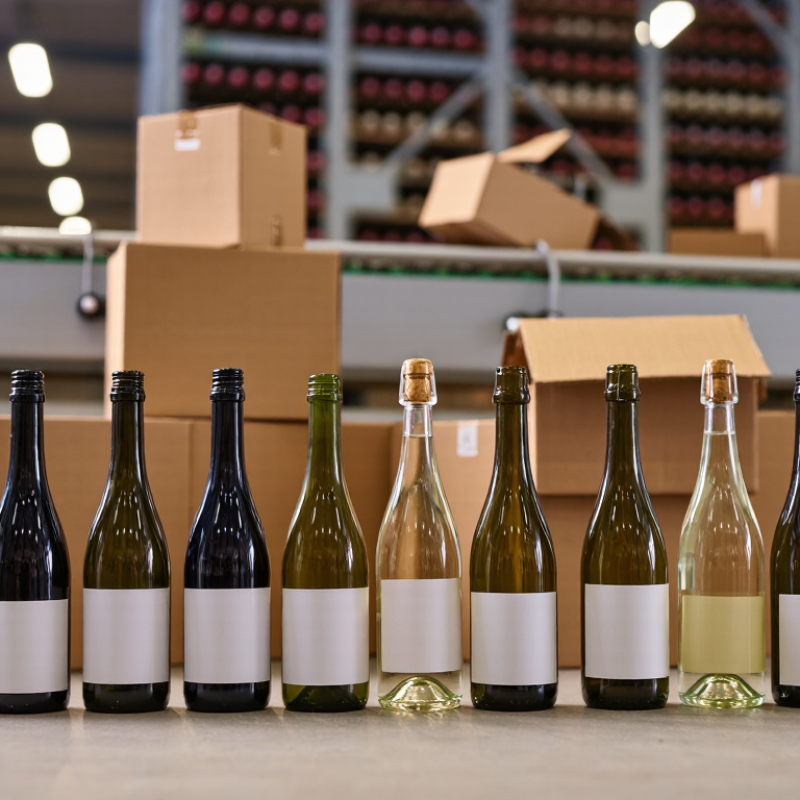
Define your business needs before comparing bottle shapes, colors, or decorative finishes. The OIV’s State of the World Vine and Wine Sector 2023 estimated global wine consumption at 221 million hectolitres. That scale creates intense competition. Your bottle must protect the wine and communicate its position quickly. Decide your sales channel, target price, filling volume, closure type, and transport distance. A bottle for restaurant service may need a refined appearance. A bottle for online shipping needs stronger packaging and reliable dimensions. Start with the use case.
Record practical requirements in a specification sheet. Include glass color, bottle weight, neck finish, capacity, pallet pattern, and acceptable tolerance. Ask the glass supplier for technical drawings and test results. Check compatibility with your filling line before approving samples. A small neck variation can slow capping. That cost is easy to miss. Measure twice.
Sustainability also deserves a measurable definition. FEVE industry data indicates that glass containers are widely collected and recycled across European markets, but recovery performance differs by region. Lighter glass can reduce transport emissions, yet excessive weight reduction may increase breakage risk. My early preference for the lightest bottle was too simple. Product damage, replacement shipments, and customer complaints can erase the expected benefit. Compare bottle weight, breakage records, recycled content, and local collection conditions. Choose evidence over appearance. Review the specification after the first production run. Real handling often reveals requirements that a sample cannot.
How to Choose the Right Wine Bottle for Your Business?
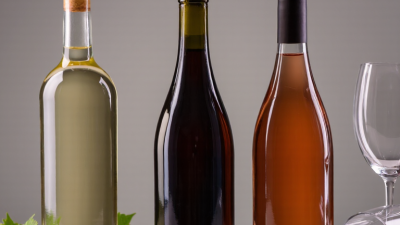
Bottle shape should support your wine’s identity and your selling environment. Tall, straight Bordeaux-style bottles create a formal appearance and stack efficiently. Rounded Burgundy-style bottles feel softer and suit wines with a more generous presentation. Slender bottles save shelf space, but their narrow labels can limit important information. I once chose a beautiful narrow bottle for a small retail project. It looked refined, but the label became difficult to read from a distance.
Size affects price, storage, shipping, and customer behavior. The standard 750 ml bottle fits most shelves and serving occasions. Half bottles can attract curious customers and reduce commitment. Larger formats create visual impact, although they need stronger packaging and more storage height. Check the bottle’s weight, neck finish, punt depth, and closure compatibility. Heavy glass may feel premium, but it can increase transport costs and handling risks. A deep punt is not proof of better wine. It is mainly a structural and visual choice.
Tips: Place sample bottles on your real shelves before ordering. Test label visibility from two meters away. Measure cartons, racks, and delivery boxes carefully. Ask your filler about compatible closures and filling equipment. Small details matter. My own early measurements were too optimistic, and the cartons barely fit. Leave practical space for fingers, movement, and imperfect packing.
Compare common bottle sizes by capacity to match serving needs, product positioning, and packaging requirements.
A 750 ml bottle is the standard wine format. Smaller formats such as 187.5 ml and 375 ml suit single servings or smaller occasions, while 1,500 ml and 3,000 ml formats serve larger groups. Bottle dimensions and closure compatibility can vary by supplier, so confirm specifications before ordering.
Choosing a wine bottle starts with glass quality, not appearance alone. During packaging reviews, I inspect the neck, base, seams, and inner surface under bright light. Small flaws matter. Bubbles, sharp edges, or uneven walls can increase breakage during filling and transport. A consistent glass thickness also supports safer handling and more predictable performance.
Bottle weight deserves careful judgment. Heavy glass may suggest premium quality, but that assumption deserves review. It can increase freight costs and handling risks without improving product protection. Ask the supplier for impact data, dimensional tolerances, and quality records. Test sample bottles with your actual filling line, labels, cartons, and storage conditions. A short trial often reveals problems that product photographs hide.
Closures must match the bottle finish and the wine’s expected storage period. Check sealing pressure, liner compatibility, oxygen transfer, and resistance to leakage. The closure should remain secure during vibration, temperature changes, and repeated handling. Protect the wine from light when needed, especially with sensitive styles. Darker glass can reduce light exposure, while a strong carton can prevent scuffs and sudden impacts. One detail is easy to miss: a perfect closure cannot compensate for a poorly formed bottle neck. Test before scaling. Mistakes happen. Review them honestly.
A wine bottle is more than a container. It is often the first physical signal of your brand’s personality. Before choosing a shape, define the feeling you want customers to experience. A tall, slender bottle can suggest elegance and modernity. A heavier, rounded bottle may feel traditional, generous, and premium. These impressions begin before the cork or label is seen.
Match the design to your target customers. Younger buyers may respond to clean silhouettes, lighter glass, and distinctive colors. Hospitality customers often value bottles that store easily and pour comfortably. Collectors may notice weight, closure details, and unusual proportions. Do not rely only on personal taste. Review customer feedback, observe shelf behavior, and compare competing products without copying them. Small details matter.
Test the bottle in real conditions. Place it on a restaurant table, inside a shipping carton, and beside similar products on a retail shelf. Check how the label sits after chilling. Check the grip with wet hands. A beautiful bottle can become awkward, fragile, or expensive to transport. I have seen designs look impressive in photographs but feel unbalanced in person. That is a useful warning. Also confirm food-contact safety, recycling requirements, and packaging rules in your selling regions. A design may need adjustment. That is not failure; it is responsible development.
How to Choose the Right Wine Bottle for Your Business?
Calculate Costs, Sustainability, and Supplier Reliability
The right bottle protects the wine and fits your budget. Compare more than the unit price. Include freight, closures, labels, breakage, and storage space in your calculation. A heavier bottle may look substantial, but it can raise shipping costs and complicate handling. Test a small batch before committing. We learned that a bottle that looked elegant on a sample shelf felt awkward in a crowded packing area.
Sustainability needs practical checks. Ask suppliers about recycled glass content, bottle weight, and local recycling options. Lighter glass can reduce transport emissions, but it must still withstand filling and delivery. Request clear specifications and test bottles under real working conditions. Small details matter.
Tips: Ask for written quotes with delivery fees and lead times. Check whether samples match production batches. Confirm how suppliers handle shortages or damaged shipments. Keep a backup option, but review it carefully; switching bottle shapes can affect labels and packing equipment. Reliable supply is not guaranteed, so build in a little flexibility.
| Bottle option | Representative empty-glass mass | Glass shipping mass per 10,000 bottles | Cost calculation and trade-off | Sustainability checks | Supplier reliability checks | Potential fit |
|---|---|---|---|---|---|---|
| Lightweight 750 ml bottle | About 350 g per bottle; confirm the exact specification with the supplier. | About 3,500 kg of empty glass. | Compare the quoted bottle price plus freight, closure, label, breakage allowance, and tooling or setup charges allocated per unit. At 10,000 units, each $0.01 per bottle changes the order total by $100. | Request documented bottle weight and recycled-glass content. Ask whether the supplier can provide product-specific environmental data and confirm that the bottle meets your filling-line and distribution requirements. | Request written lead times, available production capacity, sample approval, defect limits, and a delivery-performance record. Agree on a process for reporting and resolving quality issues. | Businesses prioritizing lower packaging mass and shipping weight, provided the bottle passes handling, filling, and market requirements. |
| Standard-weight 750 ml bottle | About 450 g per bottle; actual weight varies by design and manufacturer. | About 4,500 kg of empty glass. | Use the same landed-cost calculation for every supplier. Compare total cost per saleable bottle, not just the quoted unit price; include freight and expected breakage. | Request the same weight and recycled-content documentation used for other options. Check whether the bottle is accepted by your local glass collection and recycling system. | Confirm minimum order quantity, repeat-order availability, production lead time, delivery terms, and the supplier’s procedure for handling late or incomplete shipments. | A general-purpose option when a familiar bottle format and a balanced packaging specification are priorities. |
| Heavy or premium-style 750 ml bottle | About 600 g per bottle; this is a representative comparison point, not a universal standard. | About 6,000 kg of empty glass. | Include the added glass mass in freight and handling comparisons. Check whether the intended selling price supports any higher bottle and transport costs. | Ask the supplier to quantify the additional glass relative to a lighter alternative and provide evidence for any recycled-content claim. Consider whether the design benefit justifies the added material. | Confirm that pallets, cartons, filling equipment, and transport handling are suitable for the bottle’s dimensions and weight. Obtain approved samples before placing a production order. | Products where bottle appearance or a substantial feel is part of the presentation and the added weight is acceptable. |
| Recycled-content glass bottle | Weight depends on the bottle design; compare the supplier’s declared mass with an equivalent bottle of the same capacity and shape. | Calculate as: declared bottle mass in grams × 10,000 ÷ 1,000 = kilograms of empty glass. | Compare the supplier’s written quote on a like-for-like basis, including freight, minimum order quantity, and any specification-related costs. Do not assume recycled content automatically means a lower price. | Request the stated recycled-content percentage, its calculation basis, and supporting documentation. Verify that the bottle meets your product, color, and recycling requirements. | Check that the supplier can maintain the declared specification across repeat orders. Request batch documentation, change-notification procedures, and a sample from the production specification. | Businesses seeking documented recycled-material use, subject to verified claims, consistent supply, and product compatibility. |