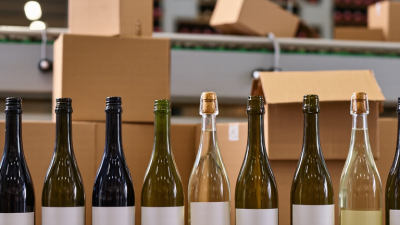

Global wine buyers rarely face a simple bottle decision. Glass weight, neck finish, color, closure fit, and pallet dimensions can affect freight costs, filling-line performance, and breakage. Small details matter. The market backdrop is shifting, too. The International Organisation of Vine and Wine (OIV), in its State of the World Vine and Wine Sector in 2023 report, estimated global wine consumption at 221 million hectolitres, down 2.6% from 2022 and the lowest level since 1996. The same report estimated production at 237 million hectolitres, a 9.6% decline and the lowest level in six decades. These figures cannot predict one buyer’s demand, but they highlight the value of resilient sourcing plans.
For global purchasers, a supplier’s quote is only one part of the decision. Confirm bottle capacity, weight tolerance, sample approval, minimum order quantities, production lead times, and shipping protection before committing. Ask how color consistency and dimensional checks are managed across batches. Then test the bottle on the intended filling line and confirm that loaded pallets fit the planned transport method. Even a polished specification can miss a pallet-fit problem. That is worth checking twice. A buyer searching “wine ki bottle” may encounter different terms across markets, so clear drawings, measurements, and sample references help reduce misunderstandings. This guide introduces seven practical sourcing considerations, grounded in measurable specifications and supplier verification. It is not a guarantee against delays; real-world supply chains still surprise buyers.
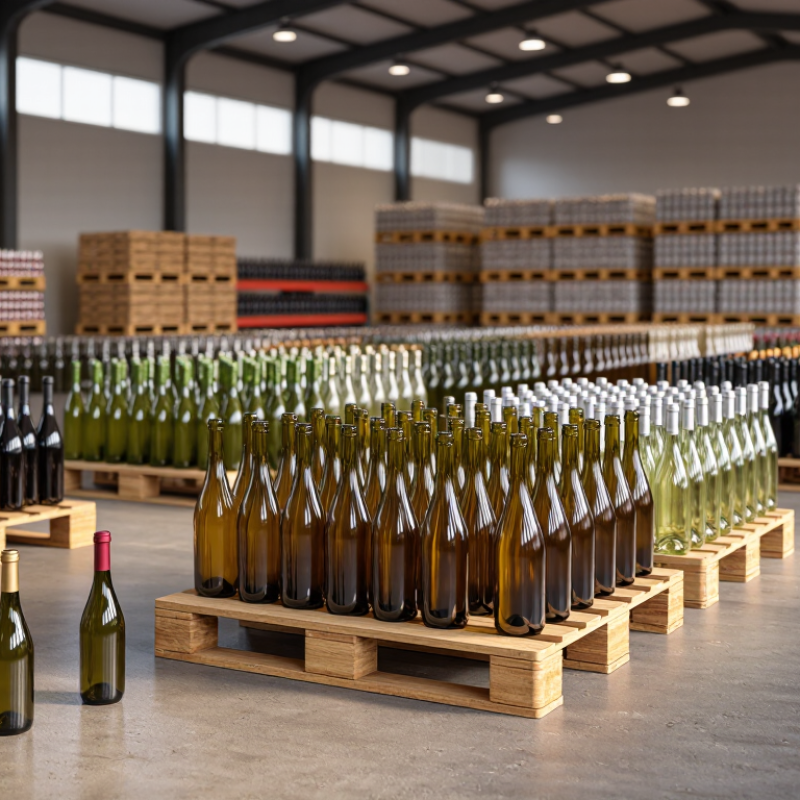
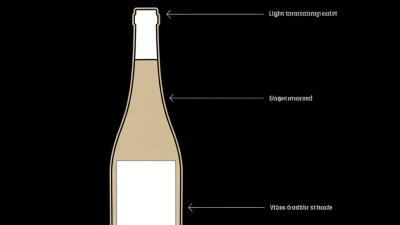
Define bottle specifications before requesting prices; “standard” can mean different things to different factories. Record nominal and brimful capacity, height, diameter, glass color, finish, and target weight. Specify the closure and neck dimensions together, since a small mismatch can affect sealing or filling-line performance. Ask suppliers to confirm tolerances, drawing revision, sample approval, pallet pattern, and units per shipment. The International Organisation of Vine and Wine’s State of the World Vine and Wine Sector in 2023 reported global wine production of 237 million hectolitres and consumption of 221 million hectolitres. These figures show the market’s scale, but they are not a forecast for your own order.
Tips: Send a dimensioned drawing, not only a reference photo. State the first-order quantity, quarterly forecast, delivery destination, and required delivery term. Request samples for fit checks.
A complete order brief should also identify the bottle’s intended use and filling conditions. Confirm whether the bottle must suit an existing line, then test samples with the actual closure and filling equipment. Ask for a written quotation that separates unit price, tooling charges, packing details, and lead time. One detail buyers may overlook is pallet height: a bottle that fits the product brief can still create warehouse or transport problems. Specifications reduce avoidable surprises, though they cannot guarantee a flawless shipment. Recheck the approved drawing against the final purchase order before production.
Compare suppliers through production evidence, not polished samples. Request recent output records, current capacity, and utilization separately. A large furnace can still hide a bottleneck at the inspection or packing line. Ask for a sample run using your bottle’s intended weight, finish, and color. Check dimensional tolerances, defect limits, and the tests used for thermal shock and pressure resistance. Small details matter.
FEVE’s 2020 report estimated that 80.1% of glass packaging in the EU was recycled. That regional figure describes recycling performance, not one factory’s recycled-glass content or delivery reliability. Ask suppliers to document their own cullet share and explain how it affects color consistency and strength. Numbers need context. Compare like with like.
Verify quality systems with dated inspection records and traceability examples, not certificates alone. Ask how rejected bottles are recorded and what triggers a corrective action. If possible, review a production area or arrange an independent audit. A video tour is useful, but it cannot show every shift or seasonal constraint. One weak point in this process: supplier records may be self-reported, so confirm key claims through samples, audits, and agreed acceptance criteria.
Compare suppliers and verify manufacturing capabilities. Start by confirming which bottle formats they can produce consistently.
These are common nominal wine bottle capacities. Names and formats can vary by market; confirm the exact capacity, dimensions, tolerances, and production specifications with each supplier.
For global buyers, bottle design starts with a physical sample, not a catalogue image. Check the base, shoulder, and heel under bright light for bubbles, cracks, and uneven thickness. Measure height, diameter, finish, and weight across several bottles. A closure that fits one sample may fail when dimensions vary. Ask suppliers for written tolerances and test bottles with your intended closure and filling line.
Customization affects more than appearance. Darker glass can help limit light exposure, while embossing, color, and label panels may change tooling, lead time, or minimum order quantities. Request a sample with the actual finish and decoration. Small details matter. A raised logo may look crisp on screen but feel rough around the bottle’s curve. I still find color matching difficult to judge from digital proofs alone.
Recycled content and color choices also deserve early discussion. FEVE’s 2021 industry data reported an 80.1% glass-packaging recycling rate in the EU, with 12.4 million tonnes recycled. Those figures describe one region, not every sourcing market. Ask suppliers for local recycled-glass availability, color consistency, and batch testing records. A lighter bottle may reduce shipping weight, but only if it survives handling and your filling process. That trade-off is easy to underestimate.
Ask suppliers to quote more than the bottle’s unit price. Include closures, cartons, palletizing, inspection, inland transport, freight, insurance, and destination charges. That adds up. A low factory price can lose its appeal when custom packaging or port handling is added. Compare quotes using the same bottle weight, order volume, delivery point, and shipping terms.
Build the lead-time estimate from sample approval, production, booking, transit, and customs clearance. Ask which stages are confirmed and which are estimates. A ready production slot does not guarantee a ready vessel. Glass is heavy. Confirm pallet dimensions, carton strength, dividers, and loading plans; damage can turn a cheaper shipment into a costly one. I would also leave a buffer for peak-season congestion, rather than treating the fastest quoted route as a promise.
For each route, compare landed cost per usable bottle, not just cost per container. Ask the supplier how breakage claims are documented and who arranges replacement stock. Keep written records of specifications and approved samples, since small differences in neck finish or color can disrupt filling. One gap is easy to miss: the spreadsheet may assume every bottle arrives intact. Test that assumption against your packaging and route, then revise the budget if the evidence is thin.
For global buyers, regulatory checks should begin before a bottle design is approved. Requirements can vary by destination and intended use, including rules for food-contact materials, labeling, and packaging claims. Ask suppliers for current declarations, relevant test reports, and traceable production records. Check that documents cover the exact bottle type, finish, and manufacturing site—not merely a similar product. Keep copies with purchase specifications; a missing document can delay a shipment.
Tips: Confirm the destination market’s requirements with a qualified compliance professional. Verify that test reports are recent and match your product. For sustainability claims, request evidence of recycled-glass content, energy use, or recognized certification, and check its scope and validity. Ask how figures are measured. “Eco-friendly” alone proves little.
Sustainability needs practical scrutiny, too. Lighter bottles may reduce material use and freight weight, but confirm they withstand filling, transit, and handling tests. Request details on recycled content and supply-chain traceability, rather than relying on a brochure. A certificate can look reassuring while covering only one facility or process. I would not assume every supplier record is perfectly consistent; compare documents, ask follow-up questions, and note unresolved gaps before placing an order.
| No. | Sourcing Tip | What to Check | Useful Evidence or Data | Buyer Action |
|---|---|---|---|---|
| 01 | Map the destination-market rules | Packaging, food-contact, labeling, recycling, and extended producer responsibility (EPR) requirements vary by market and can change over time. | For the EU, review the applicable food-contact framework, including Regulation (EC) No 1935/2004 and good manufacturing practice under Regulation (EC) No 2023/2006. Check the Packaging and Packaging Waste Regulation (EU) 2025/40 and its application dates. For the United States, confirm applicable federal and state requirements. | Specify the countries of sale before approving a bottle. Ask a qualified regulatory adviser to confirm the current rules for the bottle, decoration, closures, and packaging claims. |
| 02 | Request food-contact documentation | Confirm that the glass, internal coatings, inks, labels, adhesives, and closures are suitable for their intended use and conditions. | Request a material specification, supplier declaration or compliance statement where applicable, test reports, and details of intended use, such as product type, contact time, and storage conditions. | Match the documentation to the complete packaging configuration, not just the glass bottle. Keep approved records traceable to the product specification and production lot. |
| 03 | Check recycled-content claims | Establish whether recycled content is post-consumer, pre-consumer, or a stated combination, and how the percentage is calculated. | Request a documented calculation method, supporting production records, and an independent verification or chain-of-custody record when available. Do not treat a general “recyclable” statement as proof of recycled content. | Put the agreed content percentage, measurement basis, and acceptable evidence into the purchasing specification. Confirm that any public claim meets the destination market’s rules. |
| 04 | Compare bottle weight and performance | Glass weight varies by design and use. Reducing weight can lower material demand and transport mass, but the bottle must still meet performance needs. | For a 750 mL bottle, record the actual empty-bottle weight in grams; treat it as a supplier-specific specification rather than a universal standard. Review dimensional tolerances, impact resistance, and line compatibility. | Compare candidate bottles at the same capacity and use case. Validate filling, closure fit, transport, and customer handling before approving a lighter design. |
| 05 | Assess recyclability in the destination | Recyclability depends on local collection and sorting systems as well as the bottle design. Decorations, coatings, labels, and closures may affect sorting or processing. | Ask for the material composition and recycling guidance for the full pack. Check local collection instructions and the destination market’s requirements for environmental or recyclability claims. | Prefer a design compatible with established local glass-recycling systems. Avoid unsupported claims and verify any label or symbol before printing. |
| 06 | Request credible environmental data | Supplier sustainability statements should be specific, traceable, and based on a stated method and boundary. | Request product-level environmental data where available, such as an Environmental Product Declaration (EPD) prepared under applicable product-category rules, or a life-cycle assessment with its scope and assumptions disclosed. | Compare like with like: capacity, bottle weight, recycled-content method, manufacturing boundary, and transport assumptions. Do not compare figures with materially different scopes as if equivalent. |
| 07 | Verify quality, traceability, and supply resilience | Consistent dimensions and quality help prevent filling-line disruption. Cross-border supply also requires realistic lead times and clear change control. | Review dimensional inspection records, defect criteria, batch identification, change-notification procedures, sample results, production capacity, and documented contingency plans. | Approve a reference sample and written specification before production. Define inspection and acceptance criteria, retain lot records, and agree how material or design changes will be approved. |
Buyer reminder: Regulatory obligations and recycling infrastructure differ by destination and may change. Verify current requirements and local guidance before purchase, import, labeling, or making environmental claims.