7 Tips for Finding Global Wine Suppliers
Finding a dependable wine supplier is not just a search for attractive prices. It is a check on origin, consistency, documentation, and communication. The OIV’s 2024 report estimates that global wine production reached 237 million hectolitres in 2023, while consumption was about 221 million hectolitres. Those figures describe a pressured market, not a simple buying opportunity. They make careful supplier checks more important.
A strong wine global sourcing plan starts with clear needs: grape varieties, price range, packaging, volumes, and delivery schedule. Then compare suppliers using verifiable details. Ask for producer and vineyard information, recent technical sheets, sample bottles, and references from buyers in similar markets. Check whether quoted prices include shipping, insurance, and temperature-controlled handling where appropriate. Small differences matter. A sample can taste bright and balanced, while the next shipment may not match it. That risk deserves a direct conversation.
Industry data can guide questions, but it cannot certify an individual supplier. The OIV’s State of the World Vine and Wine Sector report offers market context; supplier claims still need independent review. Confirm business credentials and traceability documents through reliable channels, and keep written records of specifications and agreed terms. Avoid relying on polished photographs alone. A neat label proves little. Even experienced buyers can miss a weak point, especially when timelines are tight. This guide introduces seven practical tips for finding global wine suppliers, while recognizing that no checklist removes every uncertainty.
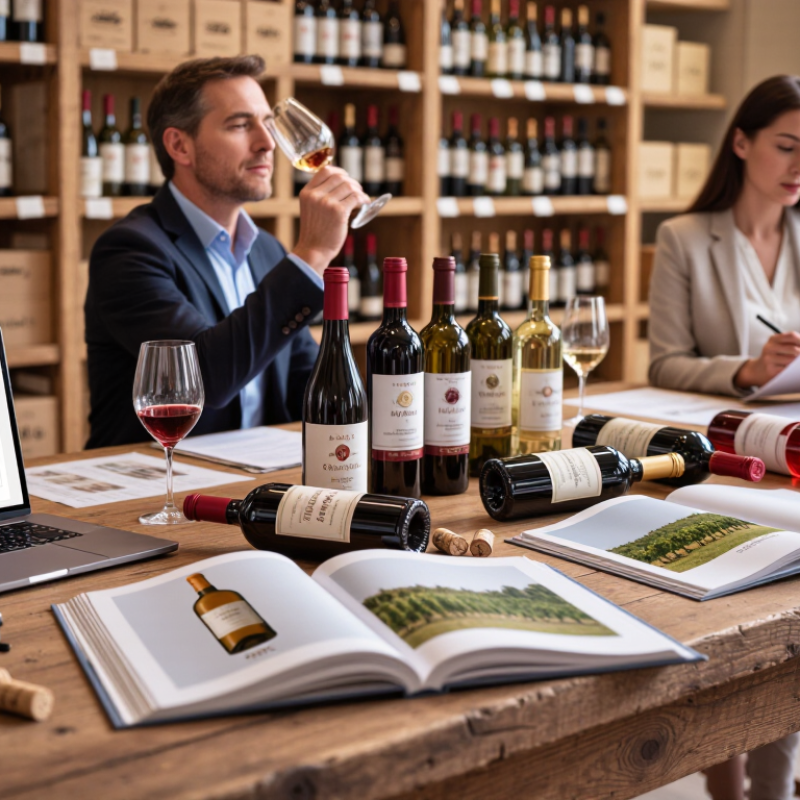
Define Your Wine Sourcing Needs and Import Requirements
Before contacting suppliers, define the wine you need in practical terms: grape variety, region, vintage, style, packaging, target price, and annual volume. Specify whether you want still or sparkling wine, and whether your buyers expect organic certification or particular bottle formats. Small details matter. A 750 ml bottle and a bulk shipment create very different freight, storage, and labeling needs. The International Organisation of Vine and Wine reported global wine production of about 237 million hectolitres in 2023, in its 2024 State of the World Vine and Wine Sector report. That broad figure is useful context, but it cannot tell you whether a specific supplier can deliver your preferred style reliably. Ask for recent technical sheets, sample availability, harvest details, and realistic lead times.
Map import requirements for your destination before agreeing on price or delivery terms. Check the relevant food-safety authority and customs guidance for permitted labeling language, alcohol declarations, ingredient or allergen disclosures, certificates, duties, and required product documents. Requirements vary by market and may change. Verify each item with a qualified local customs professional. Build landed cost estimates that include freight, insurance, taxes, inspection fees, and possible storage delays. Keep written records of supplier specifications and approval samples. A spreadsheet can still miss something. I learned that the hard way. Leave room for a second review; even experienced buyers can overlook a small label detail when deadlines get tight.
Research Wine-Producing Regions and Supplier Networks
Research wine-producing regions before contacting suppliers. Compare climate, harvest timing, grape varieties, and local production styles. A coastal region may offer fresh, high-acid wines, while a warmer inland area may produce riper fruit. These are tendencies, not guarantees. Soil and vineyard practices can vary within a short drive.
Build a simple map of cooperatives, growers, exporters, and regional trade groups. Check whether a supplier can identify the producing area, explain its role in the supply chain, and provide consistent product and shipping records. Ask for recent harvest details and sample specifications, then compare them with the supplier’s claims. A label alone is not enough. Request references from buyers with similar order sizes, and confirm how temperature-sensitive shipments are handled. A neat spreadsheet can still hide gaps. I would not treat one unanswered question as proof of a problem, but repeated vague answers deserve attention. Local freight agents and trade associations can help clarify typical routes, seasonal delays, and regional supplier structures. Keep notes on what remains unverified; regional reputation is useful context, not a substitute for checking each partner.
Check Supplier Credentials, Quality Standards, and Traceability
Ask potential wine suppliers for current business credentials, export references, and the names of facilities handling storage and bottling. Check that documents match the supplier’s legal business name and address. A polished certificate pack is useful, but it can leave gaps. Verify key details with the issuing organization where practical, and request a recent audit or inspection record.
Quality standards should be specific enough to check. Ask how the supplier controls temperature, manages damaged cases, and tests each batch before shipment. Request a sample and compare it with the written product specifications, including vintage, alcohol level, and packaging details. Keep the agreed standards in the purchase record. Paper is not proof.
Traceability connects each bottle to its origin and handling history. Request lot codes, grape or wine origin records, bottling dates, and shipping documents. Then choose one lot number and ask the supplier to show how it links across those records. The details should agree. If a code changes between documents, ask why and request a corrected record before placing a large order. This step takes time, and smaller suppliers may need clearer instructions. That is not automatically a warning sign, but missing records deserve follow-up.
Compare Pricing, Shipping Options, and Delivery Reliability
When comparing global wine suppliers, request quotes for the same products, quantities, and delivery destination. A low bottle price can look attractive until handling fees, insurance, duties, or minimum-order costs appear. Ask for a written breakdown. Check whether prices are fixed or may change before dispatch, especially when exchange rates shift.
Shipping options affect both cost and condition. Compare refrigerated transport with standard freight, and ask how temperature is monitored during transit. Request estimated transit times, cutoff dates, and details about delays or damaged goods. A quote should also clarify who arranges import documents and which charges fall to the buyer. I still find these details easy to underestimate. One unclear fee can disrupt a carefully planned order.
Delivery reliability needs evidence, not just confident promises. Ask suppliers for recent on-time delivery rates and references from buyers with similar routes or order sizes. Confirm how tracking works and when the supplier alerts you to a delay. Look for clear procedures for shortages, breakage, and incorrect paperwork. Small test orders can reveal problems before larger commitments, though they add time and expense. Compare the full landed cost beside the delivery record, then note which assumptions remain unverified. A neat spreadsheet is useful, but it cannot guarantee a smooth arrival.
Request Samples and Confirm Terms Before Placing an Order
A polished sample can hide a rough shipment. Ask for two bottles from the intended vintage and, where possible, the same production lot. Taste them blind against your target profile. Check aroma, acidity, finish, and consistency between bottles. Note the serving temperature and any faults; rushed tasting can mislead. Keep one bottle sealed as a reference.
The International Organisation of Vine and Wine reported that global wine trade reached about 99.3 million hectolitres in 2023. That scale makes clear specifications useful. Before ordering, confirm the vintage, grape variety, packaging, quantity, price, and delivery schedule in writing. Name the delivery point and agreed Incoterms rule, plus who pays freight and insurance. Set out payment timing, acceptable shipment tolerances, and how damaged or inconsistent goods will be reported. Small details matter. A sample may not represent every bottle, and I once underestimated how much a changed closure could affect the tasting. Ask the supplier to confirm that the approved sample matches the shipped product, and retain the written specification with your order.