What Is Wine in a Bottle Called?
When people ask, “What is wine in a bottle called?” the clearest everyday term is bottled wine. The bottle itself is wine packaging, while its contents may be described by style, grape, region, or producer. A 750-millilitre bottle is commonly called a standard bottle; larger formats have names such as magnum. These terms describe size, not a different kind of wine.
The distinction matters in a market measured at enormous scale. The International Organisation of Vine and Wine (OIV), in its State of the World Vine and Wine Sector in 2024, estimated global wine production at 237 million hectolitres in 2023. That figure measures volume, not individual bottles, and production is not the same as consumption. Still, it shows why clear packaging language matters to producers, retailers, and readers. A label can tell you what is inside, but bottle size alone cannot reveal quality or taste.
Wine also changes after bottling. Karen MacNeil, author of The Wine Bible, writes, “Wine is a living liquid containing no preservatives. Its life comprises youth, maturity, old age, and death.” Her words point to a useful nuance: bottled wine is not always static. Storage, closure, and time can shape what reaches the glass. The phrase “wine in the bottle” may seem plain, yet it opens questions about terminology, format, and aging. There is no single label for every context. This guide will clarify the common terms—and where the language gets a little imperfect.
The Common Name for Wine Sealed in a Bottle
The common name is bottled wine: wine packaged and sealed in a bottle for storage or serving. In everyday conversation, people often say “a bottle of wine,” referring to the container and its contents together. There is no special universal term for wine simply because it is in glass. Red, white, rosé, and sparkling describe styles, not packaging.
A bottle on the table. The wording is simple, but useful.
In shops and restaurants, “bottled wine” can distinguish it from wine served by the glass or from another container. The phrase does not reveal the wine’s quality, age, grape variety, or origin. For those details, check the label; the closure alone tells you little about what is inside.
A cork and a screw cap both seal wine in a bottle. I sometimes hear “wine in a bottle,” which is perfectly understandable, though less concise.
The distinction matters when discussing how wine is sold, not what kind of wine it is.
How Bottled Wine Is Classified and Sold
A bottle of wine is commonly classified by color, style, grape variety, region, and vintage. It may be still, sparkling, rosé, sweet, or fortified. Still wine has no noticeable bubbles. Labels can feel confusing. A grape name often signals the main variety, while a blend combines grapes. A region may indicate where the grapes were grown, and the vintage usually names the harvest year. Some bottles list a grape; others highlight a place or style instead.
Shops often arrange bottles by these categories, making comparisons easier. Restaurants may sell the same wine by the glass or bottle, with bottle service usually offering several pours. A 750-milliliter bottle is a common size, though smaller and larger formats exist. Prices reflect factors such as production, origin, age, and availability, but a higher price does not guarantee a better match for your meal. Label terms and classification rules vary by region, so check the back label for grape details, sweetness, and serving suggestions.
Tips: Match the style to the occasion. Check the vintage and bottle size before buying. If a label is vague, ask a knowledgeable seller; even careful shoppers sometimes find the wording unclear.
Standard Wine Bottle Sizes and Their Names
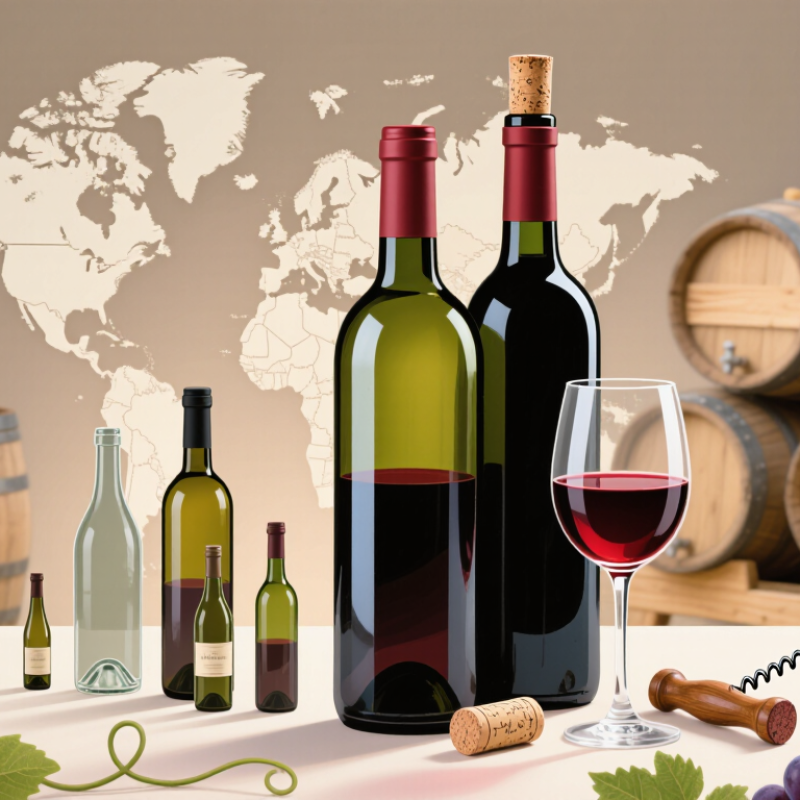
Wine bottles are identified by volume, and the familiar 750-milliliter bottle is called a standard bottle. It holds about five 150-milliliter pours, though actual serving sizes vary. A smaller 187.5-milliliter bottle is often called a split, while a 375-milliliter bottle is a half bottle. These formats suit a single meal or a small tasting, but pours are rarely exact.
A magnum contains 1.5 liters, equal to two standard bottles. Its broad shape and heavier glass make it noticeable on a dinner table. A 3-liter bottle is commonly called a double magnum in Bordeaux-style naming; in some regions, the same capacity may have another name. That detail matters. Bottle terminology is not fully universal.
Larger formats include the 6-liter imperial, often called a methuselah in other naming traditions, and the 9-liter salmanazar. Names and capacities can vary by region and wine style, so checking the volume is more dependable than relying on the name alone. Larger bottles may age more slowly because less wine is exposed to oxygen relative to the volume, although storage conditions still matter. A large bottle is impressive, but it can be awkward to pour and harder to store. Honestly, size names are a little messy. Check the listed milliliters or liters when comparing bottles.
What Information Appears on a Wine Bottle Label
A wine label helps identify what is inside the bottle, though there is no single naming system used everywhere. The front usually shows a producer or estate name, a wine name, a grape variety, or a place of origin. Some bottles highlight the region instead of the grape. Details vary.
Look for the vintage, which is the year the grapes were harvested, not necessarily the year the wine was bottled. Alcohol by volume, shown as a percentage, indicates the drink’s alcohol strength. The label may also state the bottle’s volume and the wine’s geographic origin. A named region can tell you where the grapes came from, but its meaning depends on local labeling rules.
Back labels often add practical details, such as tasting notes, serving suggestions, or food pairings. They may identify the bottler or importer and include allergen information, such as a sulfite statement. Small print matters. Label requirements differ between countries, so not every bottle displays the same details. A label can guide a purchase, but it cannot promise that a wine will taste a certain way. Even careful descriptions leave room for personal taste—and sometimes the wording feels more precise than the experience.
How Bottling and Storage Affect Wine
Wine kept in a bottle is usually called bottled wine. Bottling is more than putting liquid into glass. A small amount of oxygen may enter during filling, and the closure controls how much passes later. That slow exchange can shape aroma and texture over time. Too much oxygen, however, can flatten fresh fruit notes and make wine taste tired.
Storage matters. Keep bottles away from sunlight, heaters, and sharp temperature swings. A steady, cool place is usually better than a warm kitchen shelf. Keep it steady. For bottles sealed with natural cork, storing them on their sides helps keep the cork from drying out. Humidity can help, but a damp, musty cupboard is not ideal. Glass matters. Clear glass offers less protection from light than darker glass, so a bright windowsill is a poor choice. Once opened, reseal the bottle and refrigerate it; cooler temperatures slow oxidation, though they do not stop it. The exact drinking window varies by wine, closure, and storage conditions. There is no perfect rule, and even careful storage cannot improve every bottle. That is worth remembering.